


Description
HIMA F7130A | HIMatrix Safety Controller Module
Dynamic Product Introduction
When a safety controller fails, the problem is rarely limited to a single circuit board. The replacement must restore the complete safety chain — logic execution, communication, diagnostics, and field integration.
The HIMA F7130A is a HIMatrix safety automation component designed for compact safety controller applications where certified logic processing and reliable system communication are required. It belongs to HIMA’s distributed safety controller family used in process, machine, and infrastructure protection systems.
Unlike a conventional PLC CPU, the F7130A operates inside a safety-oriented environment where hardware configuration, application parameters, diagnostics, and communication settings must remain synchronized. A replacement unit is not simply a plug-in exchange.
For plants maintaining HIMatrix installations, keeping a tested F7130A spare can reduce recovery time after controller hardware faults. The correct replacement process requires checking controller firmware, application backup files, network settings, and the original safety validation records.
In field troubleshooting, I have seen technicians replace safety controller hardware successfully but fail commissioning because the engineering project did not match the installed firmware revision. The hardware was healthy; the lifecycle records were the missing piece.
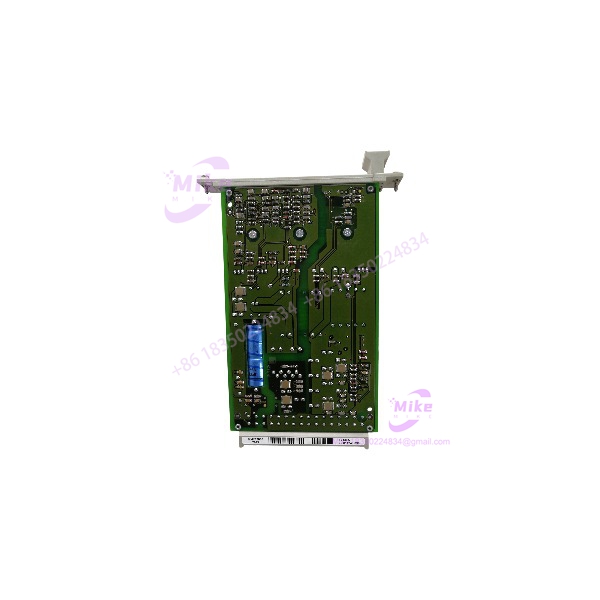
F7130A
Key Technical Specifications
- Model: F7130A
- Manufacturer: HIMA Paul Hildebrandt
- System Family: HIMatrix Safety Controller Platform
- Module Type: Compact safety controller module
- Application Type:
- Safety Instrumented Systems (SIS)
- Emergency shutdown systems (ESD)
- Industrial machine protection
- Process safety applications
- Safety Capability:
- SIL-rated safety applications depending on complete system architecture
- IEC 61508 safety lifecycle support
- Core Functions:
- Safety application execution
- Controller communication
- System diagnostics
- Safety project management
- Engineering Interface:
- HIMA engineering environment compatibility
- Configuration and diagnostics access
- Installation Environment:
- HIMatrix control cabinets
- Distributed safety systems
- Typical Industries:
- Oil and gas
- Chemical plants
- Power generation
- Manufacturing automation
Global Sourcing & Live-Test SOP (Transparency Core)
Safety controller hardware requires a deeper inspection process than standard PLC components. A unit that powers on does not automatically prove that it can execute a validated safety application.
The purpose of testing the HIMA F7130A is to confirm controller operation, communication behavior, and diagnostic response.
Inbound Verification
Each incoming should receive:
- Exact model confirmation
- Hardware identification recording
- Serial number documentation
- Housing inspection
- Connector inspection
- PCB condition review
Inspection points:
- Backplane contacts
- Communication interfaces
- Power input area
- Mechanical mounting points
- Signs of thermal stress
The replacement module must match the existing HIMatrix architecture. Similar HIMA controller variants may have different firmware requirements.
Live Simulation
A practical validation setup should include:
- Compatible HIMA HIMatrix rack/system
- Engineering workstation
- 24 VDC power supply
- Simulated I/O environment
- Network communication test setup
Test sequence:
- Install the .
- Verify controller startup.
- Confirm engineering connection.
- Load a controlled test application.
- Verify diagnostic information.
Functional checks:
- Boot sequence
- Communication handshake
- Application execution
- Diagnostic reporting
- Fault response
Diagnostics
Recommended equipment:
- Fluke industrial multimeter
- Network diagnostic tools
- HIMA engineering software
- Industrial communication analyzer
Diagnostic checks:
- Supply voltage stability
- Controller status
- Communication health
- Application state
- Fault history
A controller that reaches RUN status is not automatically validated. Safety acceptance requires confirming the complete application environment.
Final Preparation
Before shipment:
- Record hardware identification.
- Document test results.
- Protect connectors.
- Use ESD-safe packaging.
- Maintain traceability records.
For safety systems, accurate lifecycle documentation reduces commissioning risk.
The Field Engineer’s Pitfall Guide
❗ Do not replace the without confirming application and firmware compatibility.
The controller may start normally while rejecting the existing project or producing diagnostic faults. I have seen plants lose commissioning time because the replacement firmware was not aligned with the archived application.
❗ Do not overwrite the existing safety project before creating a verified backup.
Always compare the controller application with the engineering project before downloading changes. A mismatch can create unexpected safety behavior.
❗ Do not ignore network and communication settings.
Distributed HIMatrix systems depend on correct addressing and communication parameters. A replacement controller with default settings may appear healthy but remain invisible to the rest of the safety network.
Intent-Driven FAQ
What is the HIMA used for?
The is a HIMatrix safety controller component used in distributed safety automation systems for executing safety applications and managing system communication.
Is the an I/O module?
No. The is a controller-level safety component, not a simple digital or analog field input/output module.
Can I directly replace a failed ?
Only after verifying:
- HIMatrix compatibility
- Firmware revision
- Application project version
- Network configuration
- Safety validation requirements
Does the execute safety logic?
Yes, as part of the HIMatrix safety controller architecture, it supports execution of safety applications configured through the HIMA engineering environment.
Why would an replacement fail during commissioning?
Common causes include:
- Firmware mismatch
- Incorrect application download
- Network configuration errors
- Hardware revision differences
- Missing project backups
Is the HIMA still available?
The is associated with HIMA HIMatrix lifecycle support. Many industrial users maintain operation through tested replacement inventory and controlled sourcing programs.
What should be tested before installing a used ?
Recommended checks:
- Power-up behavior
- Controller diagnostics
- Communication functions
- Application compatibility
- Network operation
Procurement verdict: The is a safety controller component where configuration accuracy matters as much as physical condition. It should be sourced with complete attention to firmware, application compatibility, and system architecture.
Before installation, verify hardware revision, HIMatrix compatibility, firmware version, project backup, communication parameters, and functional test records to prevent extended SIS downtime.





