
Description
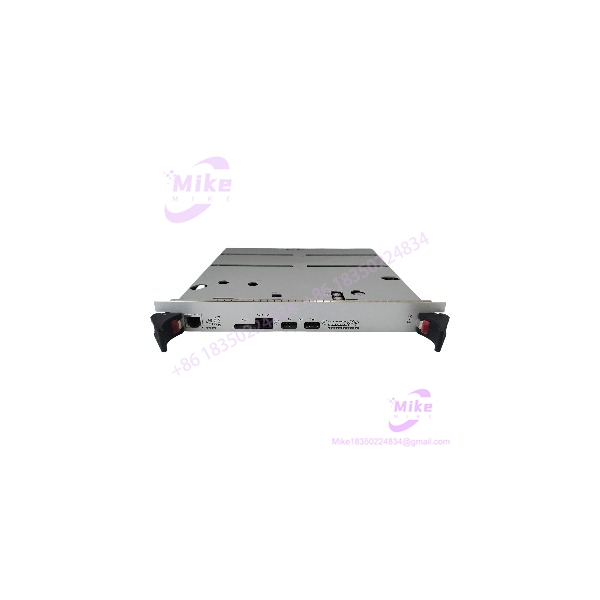
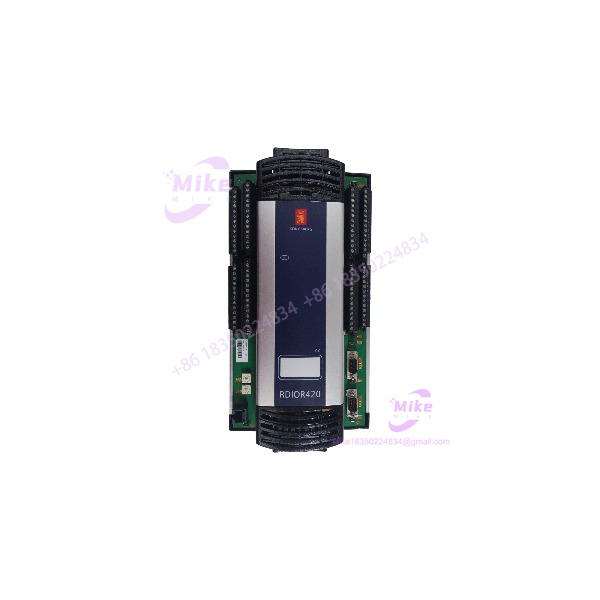
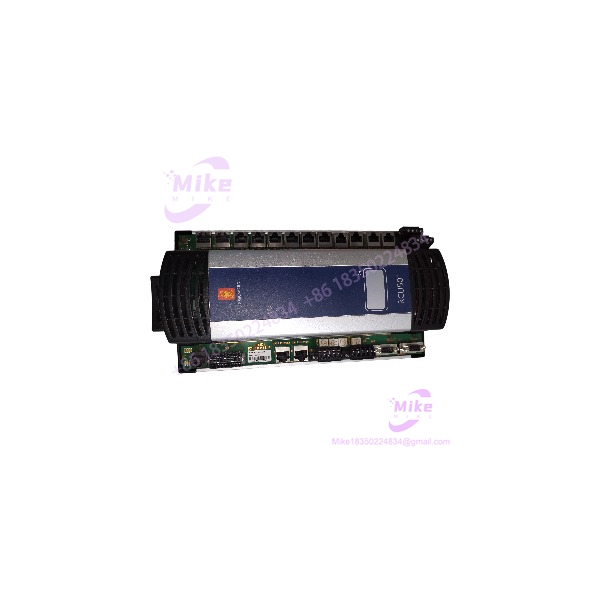
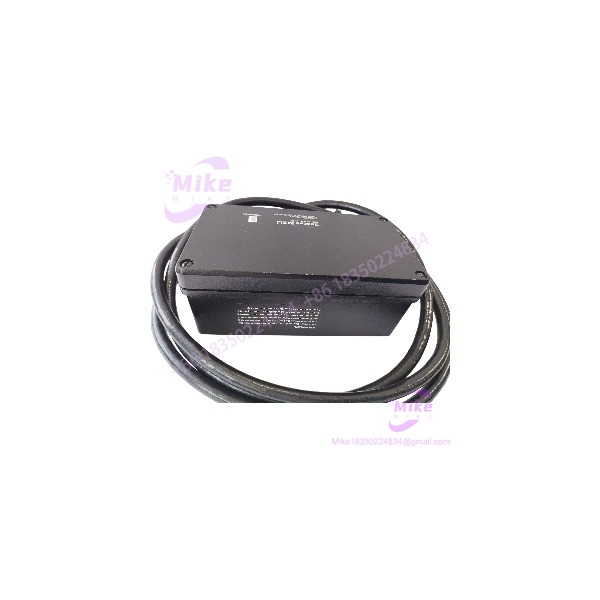
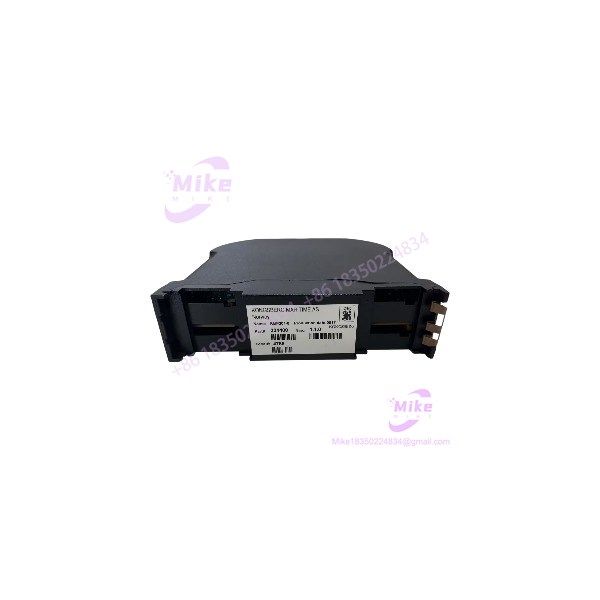
Kongsberg RMP201-8 | Multi-Purpose Remote Controller | In-Stock
Dynamic Product Introduction
Upgrading or replacing localized processing nodes in vessel management systems requires hardware that maintains zero latency under severe bus load. The Kongsberg RMP201-8 serves as an enhanced multi-purpose control node designed to handle complex fieldbus telemetry directly at the remote backplane edge. Rather than allowing field-level signal degradation or electromagnetic noise to reach central processing units, deploying a fully tested controller module preserves real-time synchronization across dynamic positioning and vessel automation networks.
Engineered to meet stringent classification society standards, the Kongsberg RMP201-8 incorporates high-grade conformal coating to withstand engine room humidity, thermal cycles, and continuous mechanical vibration. Its dual-power feeding architecture guarantees uninterrupted node execution even if a primary 24 V DC power bus drops out. For marine system integrators and chief engineers carrying out scheduled dockside overhauls, this module offers a drop-in replacement path that secures long-term operational uptime.
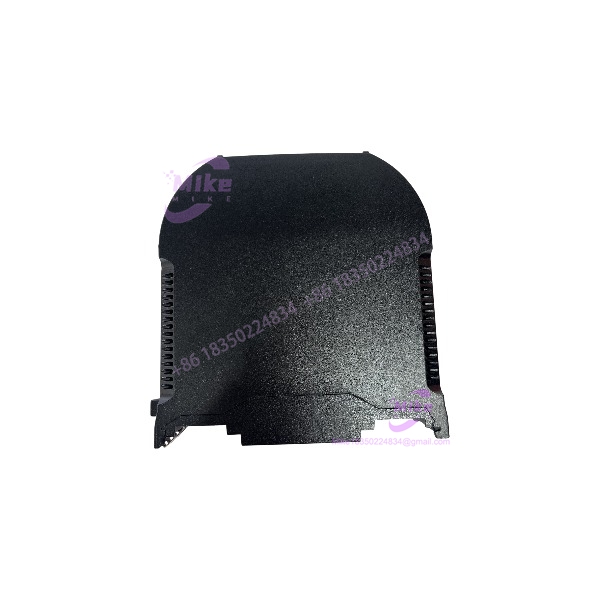
RMP201-8
Key Technical Specifications
- Model Identification: Kongsberg RMP201-8
- Module Type: Remote Multi-Purpose Controller / High-Integrity I/O Node
- Channel Capacity: 8 Dedicated High-Integrity Field Channels
- Operating Voltage: Dual 24 V DC inputs (18 V DC to 32 V DC operational range)
- Current Consumption: Nominal 320 mA at 24 V DC
- Isolation Level: 1500 V RMS channel-to-bus galvanic isolation
- Operating Temperature: -15°C to +70°C (5°F to 158°F)
- Enclosure Rating: IP20 DIN-rail or baseplate mount (cabinet installation)
Global Sourcing & Live-Test SOP (Transparency Core)
To guarantee operational readiness before hardware goes aboard working vessels, every unit undergoes a comprehensive multi-step physical and live diagnostic protocol prior to dispatch:
- Inbound Verification: Serial numbers are validated against Kongsberg OEM trace records, structural integrity of terminal connectors is inspected, and conformal coating quality is checked under UV light.
- Live Simulation: The module is mounted inside an authentic Kongsberg test chassis to verify protocol handshakes and processor initialization under active controller polling.
- Diagnostics: Multi-channel loopback tests are executed while injecting high-frequency noise to verify signal conditioning and processing accuracy across all 8 channels.
- Environmental Heat Run: The unit undergoes a 24-hour continuous burn-in cycle at 55°C inside an environmental chamber while monitoring real-time packet loss.
- Final Prep: Onboard hardware revisions are logged on the inspection certificate, terminal contacts are treated with anti-corrosion protection, and the module is sealed inside ESD-shielded packaging.
The Field Engineer’s Pitfall Guide
Marine Power Rail & Earthing Hazard
Ensure both primary and secondary 24 V DC supply feeds originate from properly isolated, grounded marine power supplies to prevent ground loops across the fieldbus shield plane.
❗ Firmware and Hardware Address Mismatches: Swapping the Kongsberg RMP201-8 without replicating the original unit’s hardware DIP switch address or software node ID prevents central controller recognition. Always document the legacy module’s DIP switch settings before unseating it from the rack baseplate.
❗ Vibration-Induced Terminal Wear: In high-vibration engine compartments or thruster rooms, un-torqued terminal screws back out over time. —Honestly, I’ve seen vessel commissioning delayed by two days simply because an un-torqued signal wire backed out under heavy sea trials.
❗ Backplane Pin Alignment During Swaps: Inserting the unit off-axis during cabinet maintenance can bend backplane interface pins inside the baseplate socket. Always align the module smoothly along its cabinet guide rails prior to engaging retaining latches.
Intent-Driven FAQ
What is the primary operational difference between the Kongsberg RMP201-8 and the earlier RMP200-8 model?
The Kongsberg RMP201-8 features updated internal processing components and improved noise filtering protocols while maintaining backward functional compatibility with existing RMP200 series baseplates.
Will swapping out the Kongsberg RMP201-8 affect running dynamic positioning loops?
Replacing a live controller module should only be performed while the vessel is in a safe operational state or when redundant control paths are verified active. Always transfer control to secondary systems prior to unseating power or bus cables.
Does this module require manual software flashing before installation?
In most standard replacement scenarios, the Kongsberg RMP201-8 functions as an I/O node whose operating parameters are automatically configured by the central processor upon bootup, provided the physical node address matches.
How do I confirm power rail redundancy is operating on the module?
Check the front-panel status LEDs. The Kongsberg RMP201-8 features dedicated status indicators for both primary and secondary 24 V DC inputs; a missing LED immediately signals a blown line fuse or power supply failure. (Verification: Both PWR 1 and PWR 2 LEDs illuminate solid green.)
What coverage applies to reconditioned surplus units?
All reconditioned and factory-sealed units include a comprehensive 1-year replacement warranty covering internal processing logic, port isolation, and power circuit stability.