Description
Kongsberg MRU-E-JB3 | Motion Sensor Junction Box, Category ID
Architect’s Product Breakdown
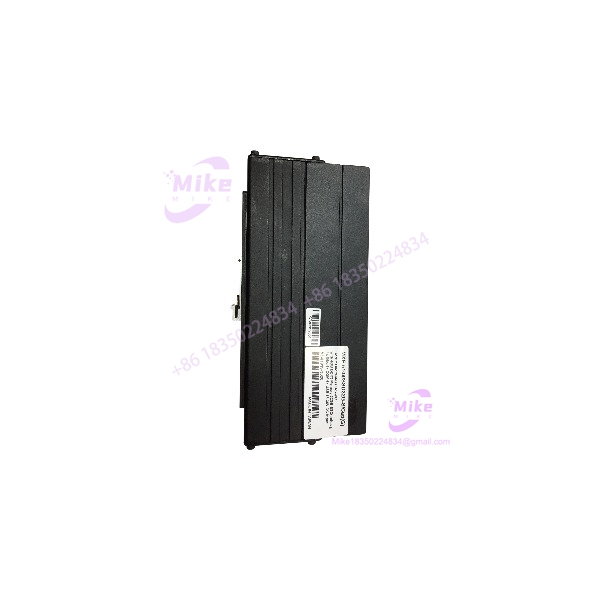
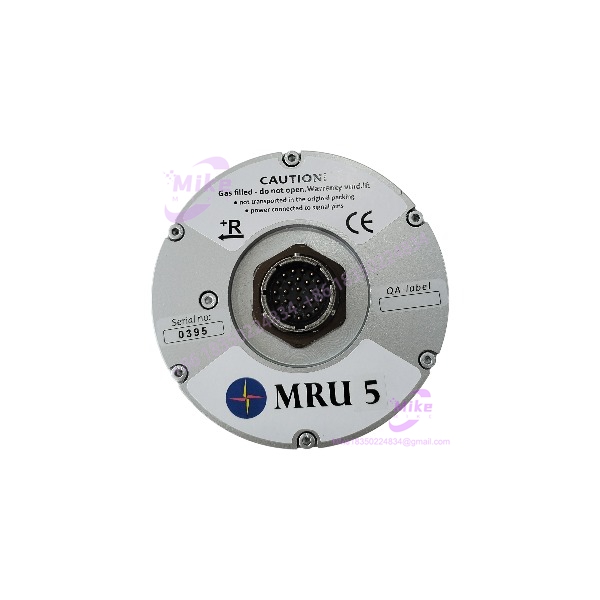
The MRU-E-JB3 junction box acts as an essential terminal interface node designed specifically to connect Kongsberg motion reference units to shipboard power and control networks. Installed near the sensor mounting location, it handles signal breakout, power distribution, and shield grounding for complex multi-core communication cables. Its robust mechanical housing isolates internal wiring from moisture, salt spray, and vibration commonly encountered in marine installations.
Integrating this termination unit requires careful attention to cable gland sizing and shield continuity. Failing to properly ground the braided screen of each sensor cable inside the box will introduce common-mode electromagnetic noise into high-precision data streams.
Field engineers rely on this interface to simplify long cable runs from the navigation bridge or machinery space down to the central data acquisition rack, ensuring clean point-to-point maintenance diagnostics.
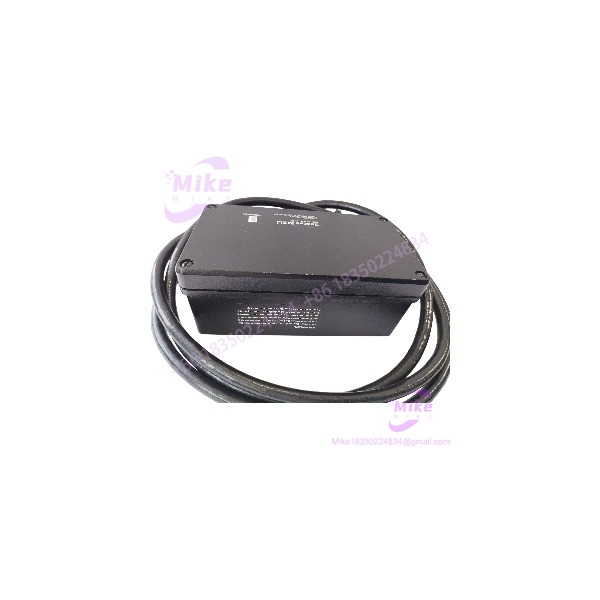
MRU-E-JB3
Key Technical Specifications
| Parameter | Specification |
| Manufacturer | Kongsberg Discovery AS |
| Model | MRU-E-JB3 |
| Product Type | Sensor Junction Box / Termination Unit |
| Enclosure Material | Corrosion-resistant marine-grade metal / alloy |
| Cable Entries | Multiple threaded knockouts / cable glands |
| Internal Terminals | Screw-type multi-tier terminal blocks |
| Shield Grounding | Dedicated EMC shield bus bar integrated |
| Operating Temperature | -25°C to +70°C |
| Enclosure Rating | IP66 marine protection |
| Mounting | Surface-mount bulkhead brackets |
Field Engineer’s Pitfall Guide
- Unterminated Shield Drains: Cutting back cable shield braids instead of securing them to the internal grounding clamp will allow high-frequency radio interference to corrupt serial and Ethernet communication packets.
- Incorrect Cable Gland Torque: Failing to tighten cable glands to specification will compromise the IP66 water-tight seal, leading to internal condensation and terminal corrosion over time.
- Overcrowding Multi-Core Wires: Jamming excess cable length into a tight enclosure without neat wire-dressing can pinch insulation or pull terminal blocks loose during severe vessel pitching.
QA & Testing SOP
- Visual & Origin Inspection: Inspect the enclosure housing for structural defects, verify gasket integrity, and check terminal block screw torques.
- Continuity Verification: Perform end-to-end resistance and continuity checks across all internal pin assignments to confirm zero wiring faults.
- Insulation Resistance Check: Apply a megohmmeter test between power/signal rails and the grounded enclosure body to verify isolation integrity.
- Preservation & Packaging: Plug all open cable glands with protective caps, place desiccant packs inside the housing, and seal the unit in heavy-duty shipping cartons.
Technical FAQ
Is the MRU-E-JB3 waterproof for exterior deck installations? It features an IP66 rating, meaning it withstands heavy seas and powerful jet sprays, but it should be shielded from direct, prolonged immersion or high-pressure power washing.
Does this junction box require an external power supply connection? No. It functions as a passive distribution and termination node, passing power and data signals directly between the shipboard network and the connected motion sensor.
Can I use standard cable glands when replacing damaged entries? You must use certified marine-grade cable glands that match the original thread size and shielding requirements to maintain the enclosure rating.
How do I properly terminate braided shield cables inside this unit? Strip back the outer jacket to expose the braid, clamp the exposed braid directly to the internal EMC grounding bar using saddle clamps, and route individual conductor wires to the corresponding terminal blocks.