Description
Kongsberg MRU-5 | Marine Motion Reference Unit, Category ID
Architect’s Product Breakdown
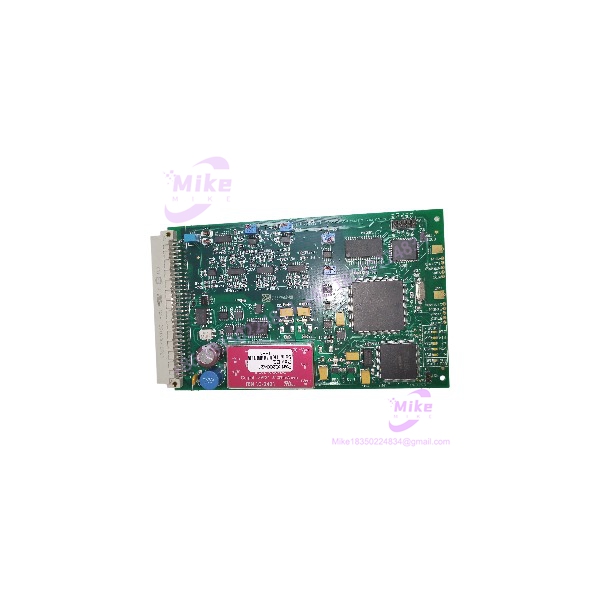
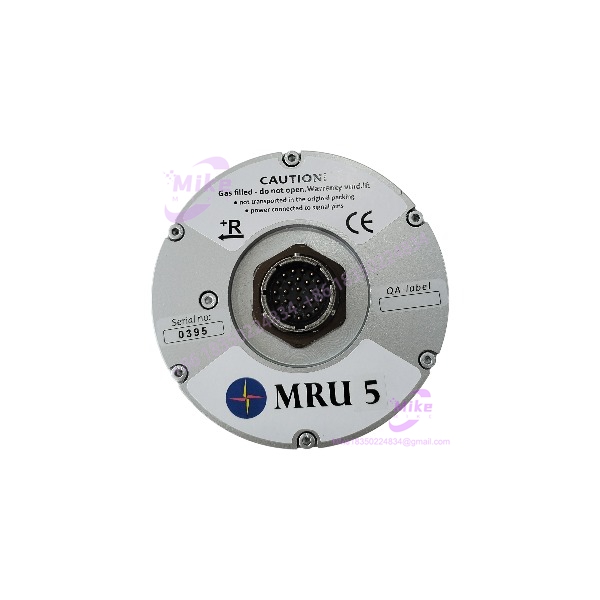
The MRU-5 motion reference unit functions as a high-precision inertial measurement sensor engineered for demanding marine applications, including multi-beam echo sounder stabilization and vessel dynamic positioning. Mounted securely to the vessel’s reference frame, it processes linear accelerations and angular velocity data locally via solid-state MEMS rate gyros and accelerometers, eliminating moving parts to ensure high reliability in harsh environments.
Integrating this sensor into legacy or modern navigation architectures requires careful verification of lever-arm offsets and external heading or speed inputs via serial or Ethernet links. Upgrading aging motion sensors to this model significantly reduces drift errors during dynamic maneuvers and provides precise heave, surge, and sway parameters to upper-level control and survey systems.
Field engineers must pay strict attention to mounting alignment and cabling integrity. Even minor physical mounting shifts or ungrounded shields can introduce common-mode noise or angular offsets that degrade survey-grade accuracy during prolonged vessel operations.
MRU-5
Key Technical Specifications
| Parameter | Specification |
| Manufacturer | Kongsberg Discovery AS |
| Model | MRU-5 |
| Sensor Technology | Solid-state MEMS rate gyros and accelerometers |
| Static Roll/Pitch Accuracy | 0.02° RMS |
| Dynamic Roll/Pitch Accuracy | 0.005° 1-sigma (under specific test motion) |
| Output Rate | Up to 200 Hz |
| Interfaces | Ethernet/UDP, RS-422, RS-232 |
| Power Supply | 10 to 36 VDC (8W maximum) |
| Operating Temperature | -5°C to +55°C |
| Enclosure Rating | IP66 rating |
Field Engineer’s Pitfall Guide
- Incorrect Lever Arm Configuration: Failing to input precise spatial lever-arm measurements relative to the vessel’s center of gravity will result in calculated heave and position errors during turning maneuvers.
- Uncompensated Heading Inputs: Running the unit without an external GPS or gyrocompass heading input will cause the yaw axis to drift slowly over time, compromising integrated navigation solutions.
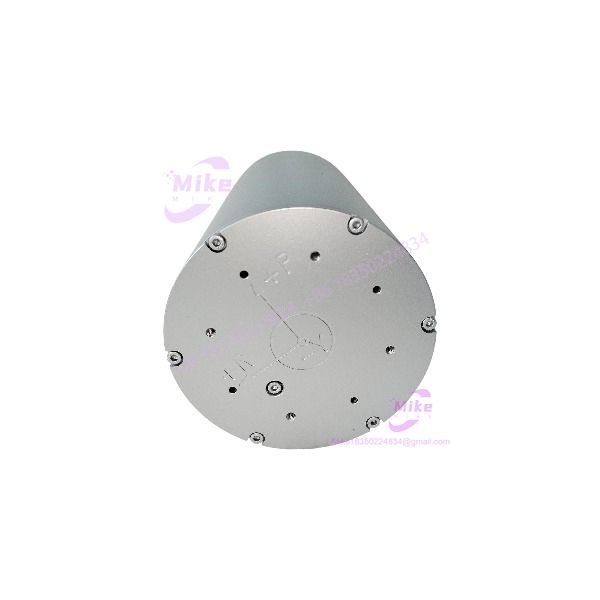
- Subsea Bottle Length Mismatches: When replacing older generations inside custom subsea pressure housings, note that newer generation hardware configurations feature a shorter physical body length, requiring careful mechanical adapter planning.
QA & Testing SOP
- Visual & Origin Inspection: Verify OEM security tags, housing corrosion resistance, and serial numberplate integrity against factory packing documents.
- Live Test Environment: Mount the sensor on a calibrated multi-axis tilt and vibration test fixture powered by an isolated 24V DC supply.
- Diagnostics & Handshake Tests: Execute communication loopback verifications across Ethernet and serial ports to validate high-speed data packet delivery at 200 Hz.
- Preservation & Packaging: Apply protective covers to electrical connectors, wrap the unit in anti-static bubble material, and crate inside heavy-duty foam packaging.
Technical FAQ
Can the MRU-5 provide absolute north heading information independently?
No. The MRU-5 provides relative motion data (roll, pitch, yaw rates, and linear accelerations) but does not contain an internal north-seeking gyrocompass; it requires an external heading source for true north reference.
Does this unit support hot-swapping power connections?
No. Power should be completely disconnected before plugging or unplugging the main connector to prevent voltage spikes from damaging the internal power regulation circuits.
What is the maximum data output frequency of this model?
The sensor supports data output rates up to 200 Hz across configured Ethernet/UDP and serial connections.
Can I use legacy mounting brackets with this hardware revision?
Yes, current generation hardware maintains physical mounting bracket compatibility with previous generations, though subsea pressure enclosures may require length adjustments.