Description
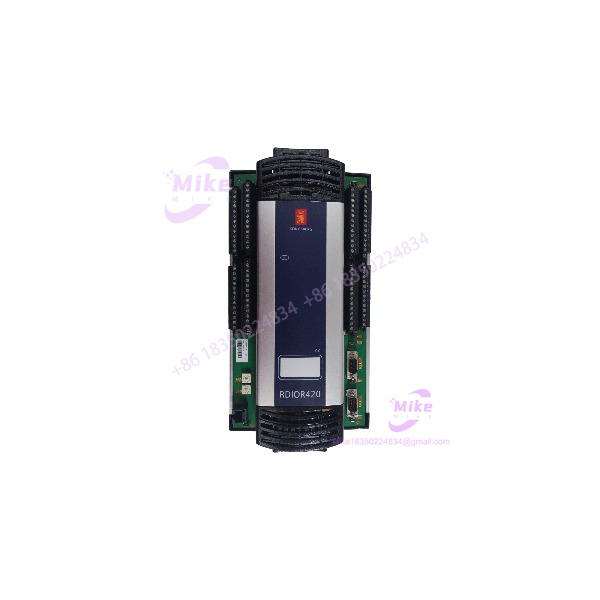
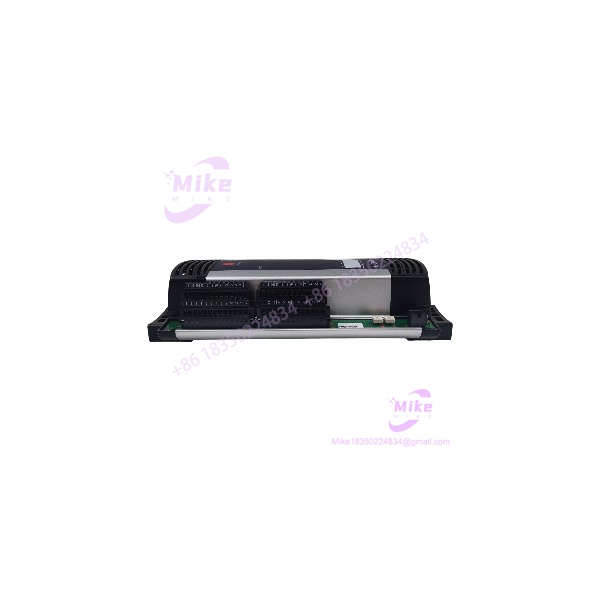
Kongsberg RDIOR420 | Remote Digital Input/Output Relay Module
Dynamic Product Introduction
Chief electronics officers and marine automation technicians managing DP-2/DP-3 offshore support vessels, container ships, and naval vessels know how crucial reliable signal acquisition is for central engine control. When a remote digital I/O relay module supervising main engine auxiliary alarms, valve position feedback, or high-voltage breaker interlocks experiences contact welding, optocoupler isolation loss, or fieldbus communication dropouts, replacing the card quickly without disturbing neighboring I/O loops is a critical operational priority.
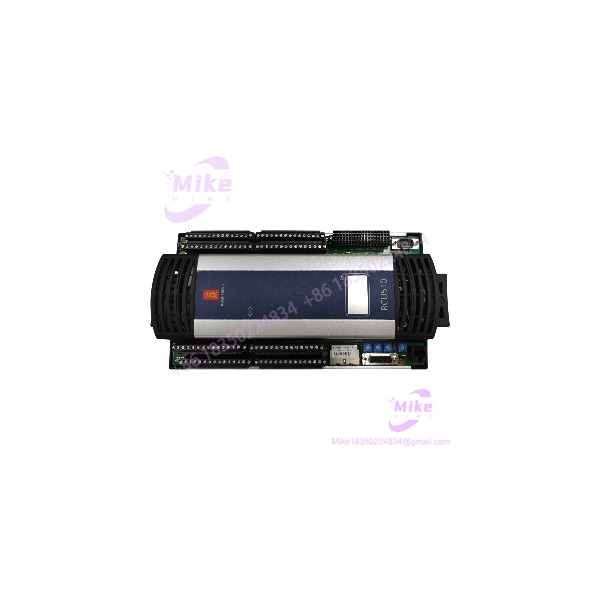
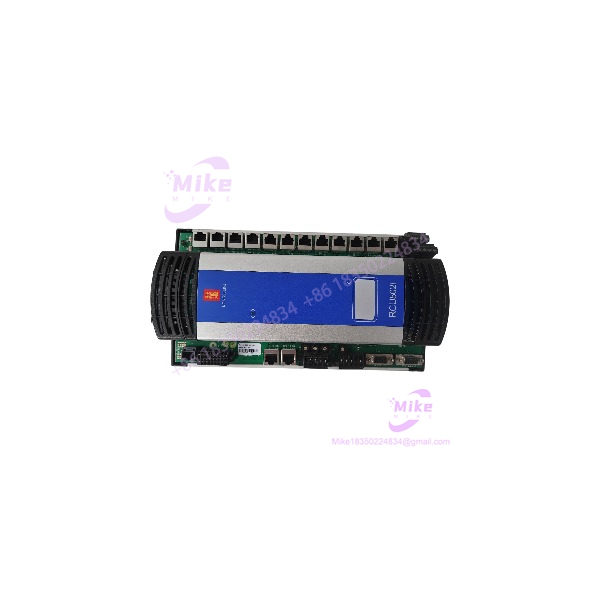
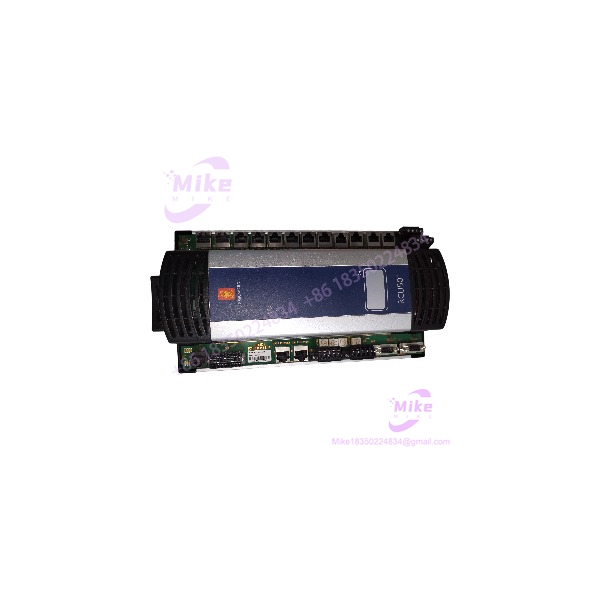
The Kongsberg Maritime RDIOR420 is an advanced, high-density Remote Digital Input/Output Relay Module designed for integration into the K-Chief and K-Pos vessel automation suites. Built to succeed the RDIOR400 baseline, the RDIOR420 features enhanced transient noise filtering and upgraded relay contact materials. Operating within harsh machinery space environments, the module collects voltage-free digital status signals and executes high-reliability dry-contact relay outputs for valve actuation, alarm annunciators, and motor control circuits over redundant marine fieldbus networks.
RDIOR420
Key Technical Specifications
- Operating Supply Voltage: Dual Redundant 24 V DC (18 to 32 V DC operational range)
- Digital Input Channels: High-density optocoupler-isolated 24 V DC digital inputs (voltage-free contact monitoring)
- Relay Output Channels: High-reliability electromechanical relay output channels (changeover / dry-contact configuration)
- Relay Contact Rating: Up to 250 V AC / 30 V DC (2 A to 5 A per contact, depending on inductive load class)
- Fieldbus Network Ports: Dual redundant CANbus / RNet marine fieldbus communication interfaces
- Galvanic Isolation: Optical and transformer isolation across power inputs, fieldbus lines, and I/O channels
- Operating Temperature Range: -15 °C to +70 °C harsh marine ambient rating
- Marine Type Approval: Certified by major classification societies (DNV, ABS, Lloyd’s Register, Bureau Veritas, RINA)
- Status Diagnostics: Front panel LED indicators for power feeds A/B, fieldbus communications, and individual channel I/O status
Global Sourcing & Live-Test SOP (Transparency Core)
Sourcing replacement marine remote I/O modules requires rigorous channel-by-channel signal and fieldbus verification under simulated vessel load conditions.
Inbound Verification & Traceability
- Paperwork Audit: Cross-referencing physical serial numbers, revision plates, and software/hardware build codes against Kongsberg Maritime manufacturing logs to confirm component authenticity.
- Physical Inspection: Comprehensive examination of housing structural seals, conformal coating integrity across internal PCBs, terminal block tension screws, and relay contact surfaces for signs of arcing or thermal stress.
Live Bench Simulation & Diagnostics
- Redundant Power Rail Test: Powered using dual independent 24 V DC marine power supplies, cycling feeds A and B to verify seamless auto-failover without dropping active relay channels.
- Digital Input Optical Channel Sweep: Applying 24 V DC discrete inputs to all channels while observing status LED responsiveness and checking isolation integrity via high-impedance meters.
- Relay Output Load & Contact Resistance Check: Cycling all output relays under maximum rated current load while measuring contact resistance (must read < 50 mΩ) to rule out high-resistance contact pitting.
- Redundant Fieldbus Handshake: Interfaced with a test K-Chief/K-Pos controller over primary and secondary fieldbus channels to confirm node discovery, I/O mapping, and packet integrity.
- 24-Hour Thermal Burn-In: Module undergoes a 24-hour thermal chamber stress run under continuous relay cycling to ensure zero thermal drift or coil degradation.
Final Prep
- Node Address & DIP Switch Reset: Setting rotary/DIP node address switches to factory default or customer-specified node IDs.
- ESD & Marine Packaging: Unit is sealed in heavy-duty anti-static barrier film with moisture-absorbing desiccant packs before double-boxed shipping.
Machinery Actuation & Electrical Safety Hazard
Replacing an active RDIOR420 module must never be performed while connected equipment (e.g., fuel cut-off valves, fire dampeners, or high-voltage switchgear breakers) is live and operational. Swapping relay cards can trip output contacts during initial power-up, causing unexpected machinery state changes. Always isolate field contact power and place actuators in manual bypass mode prior to hardware replacement.
The Field Engineer’s Pitfall Guide
- ❗ Matching Hardware Revision & Firmware (RDIOR400 vs. RDIOR420): While the RDIOR420 is backward-compatible with the RDIOR400 in most installation footprints, verify that your vessel’s K-Chief or K-Pos software build recognizes the RDIOR420 hardware ID on the fieldbus map.
- ❗ Matching Node Address DIP Switches: The RDIOR420 identifies itself on the RNet/CANbus fieldbus network via hardware rotary or DIP switches located on the PCB/housing. Installing a replacement unit without transferring the exact hardware address set from the old card will prevent the master RCU processor from establishing I/O communication.
- ❗ Inductive Load Suppression: When driving inductive loads (such as solenoid valves, heavy contactor coils, or electromechanical brakes) directly from the RDIOR420 relay contacts, install external RC snubbers (for AC loads) or freewheeling flyback diodes (for DC loads) across the coil to prevent contact welding.
Intent-Driven FAQ
Will swapping out a damaged RDIOR420 require re-programming the central K-Chief system?
No. The RDIOR420 is an I/O slave card. As long as the replacement unit’s hardware node address (DIP switches/rotary dials) matches the defective module, the central master controller (RCU) will automatically map the digital inputs and relay outputs upon power-up.
What is the primary difference between the RDIOR400 and RDIOR420?
The RDIOR420 features upgraded onboard optocouplers with higher electrical noise immunity, refined relay contact alloys designed for longer switching life under inductive loads, and updated fieldbus transceivers.
Can the RDIOR420 be installed directly inside engine room cabinets?
Yes. The RDIOR420 is marine type-approved for installation in ambient temperatures up to +70 °C and features conformal coating on all internal circuit boards to resist moisture, vibration, and salt-air exposure typical of engine control rooms.
What do the LED indicators on the front panel display?
- POWER A / B: Green LEDs indicate active redundant 24 V DC power supplies.
- COMM / NET: Flickering green/yellow indicates active fieldbus communication with the master processor.
- I/O STATUS: Individual LEDs indicate the real-time ON/OFF state of each digital input and relay output channel.
What warranty coverage is provided on replacement hardware?
All verified Kongsberg Maritime RDIOR420 modules include a standard 12-month full-replacement warranty covering internal logic circuitry, fieldbus transceivers, digital input optocouplers, and relay output contact assemblies.