Description
Kongsberg RCU502i | High-Performance K-Pos & K-Thrust Controller Unit
Dynamic Product Introduction
Marine automation superintendents and chief electronics officers managing DP-2/DP-3 offshore vessels, drillships, and specialized naval craft know how critical high-speed processor execution is to dynamic positioning stability. When an active remote control unit on a thruster node, gyro hub, or position reference interface suffers processor fault, flash storage degradation, or network transceiver loss, replacing the unit quickly without disrupting overall marine network architecture or vessel safety handshakes is an essential operational priority.
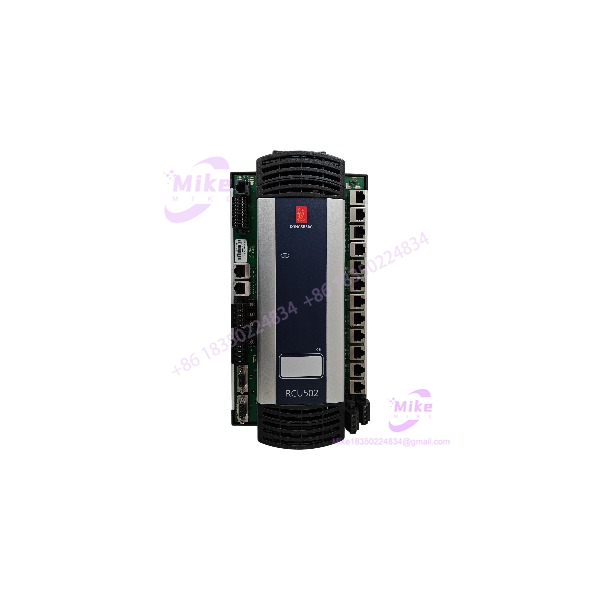
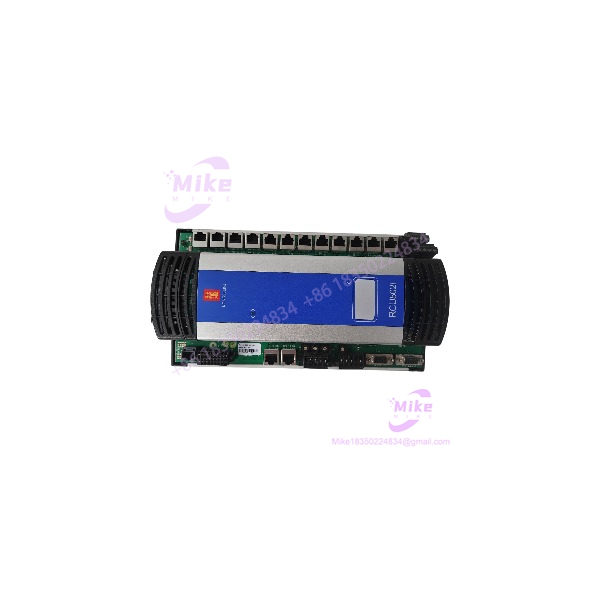
The Kongsberg Maritime RCU502i is an advanced distributed processing platform representing the integrated (“i” variant) evolution within the RCU500/RCU501/RCU502 product lineup for K-Pos, K-Thrust, and K-Chief automation architectures. Enclosed in a heavy-duty, IP-rated metal chassis with built-in high-density I/O channels, the RCU502i serves as a compact, all-in-one localized intelligence hub capable of executing complex thrust allocation control loops, polling high-resolution sensor arrays (MRU, Gyro, Wind, DGPS, CyScan), and driving hydraulic/electric actuator control signals with ultra-low latency. Featuring enhanced optical isolation, upgraded processing bandwidth, and superior thermal dissipation, the RCU502i provides maximum operational availability and zero-single-point-of-failure fault tolerance for critical offshore missions.
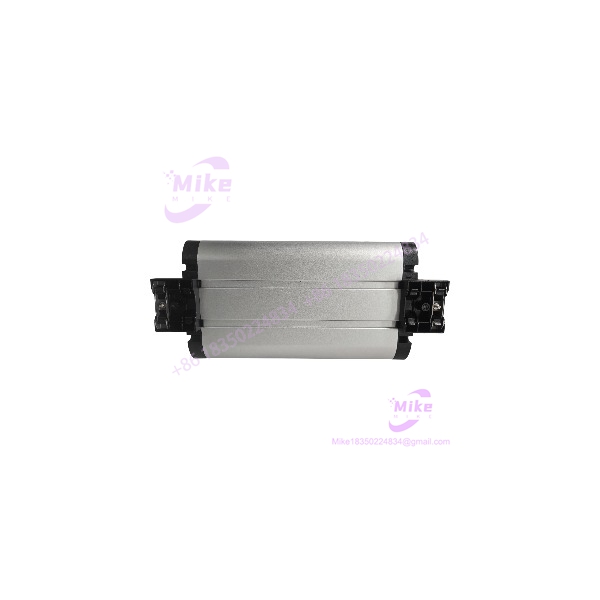
RCU502i
Key Technical Specifications
- Operating Voltage: Dual Redundant 24 V DC (18 to 32 V DC operational range)
- Processor Architecture: Multi-core real-time industrial processor with high-capacity non-volatile flash storage
- Integrated I/O Channels (“i” Variant): Onboard high-density digital (24 V DC) and analog (4–20 mA / 0–10 V DC) I/O channels for direct sensor/actuator interfacing without external expansion racks
- Fieldbus Network Interfaces: Redundant dual 100/1000Base-TX Ethernet ports (supporting K-Net and RNet marine protocols)
- Serial Interface Ports: Optically isolated, software-configurable RS-232, RS-422, and RS-485 serial ports for positioning sensors
- Galvanic Isolation: Optical isolation across all power feeds, serial lines, network interfaces, and sensor I/O channels
- Operating Temperature Range: -15 °C to +70 °C harsh marine environmental rating
- Marine Type Approval: Certified by major classification societies (DNV, ABS, Lloyd’s Register, Bureau Veritas)
- Status Diagnostics: Front panel diagnostic LEDs for power rails A/B, CPU execution state, network link activity, and fieldbus alarms
Global Sourcing & Live-Test SOP (Transparency Core)
Sourcing replacement marine automation hardware requires rigorous hardware-in-the-loop (HIL) testing to guarantee zero packet loss and seamless failover across redundant network channels.
Inbound Verification & Traceability
- Paperwork Audit: Verification of serial numbers, revision plates, and OEM software build codes against Kongsberg Maritime manufacturing logs to validate hardware generation and component revision.
- Physical Inspection: Comprehensive examination of housing structural gaskets, conformal coating integrity across internal circuit boards, backplane connector pins, and terminal block screw threads for signs of salt-air corrosion or thermal stress.
Live Bench Simulation & Diagnostics
- Redundant Power Supply Failure Test: Powered via dual independent 24 V DC marine power supplies; cycling primary and secondary power lines under full processing load to verify uninterrupted operation.
- Redundant Network & HIL Loop Test: Interfaced with a simulated K-Pos marine network topology across primary and secondary network ports to confirm automated packet failover, zero data frame drop, and immediate node discovery.
- I/O & Serial Transceiver Verification: Sweeping onboard integrated analog and digital I/O channels with signal generators and executing continuous full-duplex loopback tests on RS-422/485 serial ports to verify signal clarity and isolation.
- 24-Hour Stress & Thermal Burn-In: Module undergoes a continuous 24-hour thermal chamber run at +70 °C under maximum processing load to ensure zero memory leaks and stable system clock operation.
Final Prep
- Flash Memory & IP Reset: Restoring default node network configurations or pre-loading customer-specified project software backups.
- ESD & Marine Packaging: Unit is sealed in heavy-duty anti-static barrier wrapping with desiccant packs before double-boxed shipping.
Thruster & Dynamic Positioning Safety Warning
Replacing an RCU502i unit assigned to an active Dynamic Positioning (DP) node or thruster control loop must never be attempted while the vessel is operating under DP control or navigating in restricted waters. Always transfer propulsion control to manual bridge levers, isolate local 24 V DC power feeds, and notify the watch engineer prior to replacing hardware.
The Field Engineer’s Pitfall Guide
- ❗ Understanding the “i” Designation (Integrated I/O): The “i” suffix on the RCU502i indicates integrated onboard I/O channels on the base unit. When replacing a standard RCU502 (non-i version), ensure terminal block pinouts match and verify whether external I/O expansion modules are still required or if wiring connects directly to the RCU502i header pins.
- ❗ Floating Power System Isolation: Marine 24 V DC auxiliary power networks supplying the RCU502i must remain strictly floating relative to the vessel’s steel hull. Introducing a ground fault on sensor lines or utilizing unisolated external test equipment can create ground loops that degrade serial positioning feeds (such as DGPS or Gyro lines).
- ❗ Node DIP Switch / Address Verification: Ensure that onboard hardware jumpers or rotary/DIP switches defining the unit’s unique network node address match your vessel’s documented system topology before powering up on an active K-Net/RNet bus.
Intent-Driven FAQ
Will swapping out an RCU502i require re-commissioning the DP system?
If you transfer your vessel’s verified project backup configuration (.cfg / parameter sets) or transfer the non-volatile memory card from the old unit, full system re-commissioning is not required. However, a functional test of all connected sensor inputs and thruster output channels must be executed from the bridge operator station.
What is the main difference between the RCU502 and RCU502i?
The RCU502i features integrated onboard I/O circuitry directly built into the main controller housing, allowing direct connection of local analog/digital sensor feeds and valve drive outputs without requiring a secondary external I/O chassis.
What do the front panel status LEDs indicate during startup?
- POWER A / POWER B: Solid green confirms healthy redundant 24 V DC power inputs.
- SYS / RUN: Solid green indicates normal real-time OS execution; red indicates a hardware watchdog or software startup fault.
- NET A / NET B: Flickering green/yellow indicates active real-time data frame transmission across redundant network channels.
Is the RCU502i suitable for engine room installation?
Yes. The RCU502i is marine type-approved for installation in ambient temperatures up to +70 °C and features conformal coating on all internal PCBs to resist humidity, vibration, and salt-air exposure typical of engine control rooms and thruster spaces.
What warranty coverage is provided on replacement hardware?
All verified Kongsberg Maritime RCU502i modules include a standard 12-month full-replacement warranty covering CPU processor logic, network communication transceivers, and onboard integrated I/O channels.
If you need help checking node IP configurations, backing up parameter software via Kongsberg tools, or verifying onboard I/O wiring diagrams for your RCU502i setup, let me know your vessel’s system architecture details and I can assist with the installation procedures.