

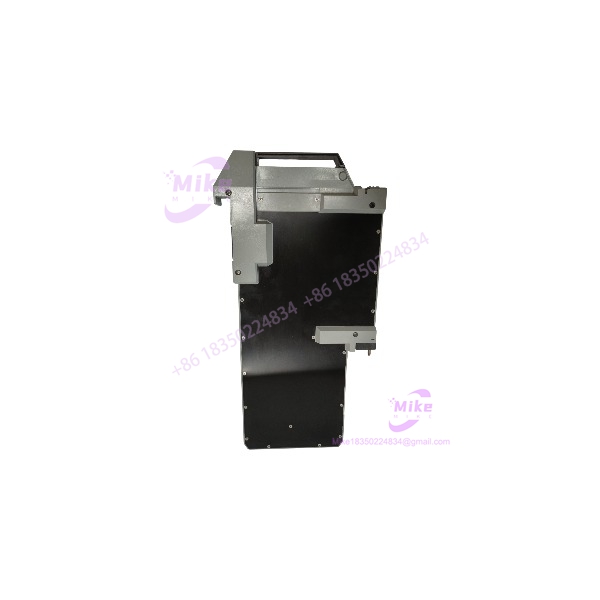
Description
Foxboro P0961FR | CP60 Control Processor Key Spec Data
Architect’s Product Breakdown
The Foxboro P0961FR acts as the computational engine within the I/A Series distributed control architecture, executing complex control logic, timing routines, and regulatory loops. In high-stakes continuous chemical or power generation environments, maintaining continuous processor availability is non-negotiable. This specific processor model incorporates fault-tolerant redundancy to prevent sudden plant trips during hardware anomalies.
Deploying this controller requires careful planning regarding baseplate slot allocation and software license limits. When upgrading older node infrastructures, engineers must verify that the base processor model firmware aligns seamlessly with the current system configuration database. Mismatched firmware revisions between primary and secondary cards in a redundant pair can lead to synchronization faults and force unexpected failover events during peak operating hours.
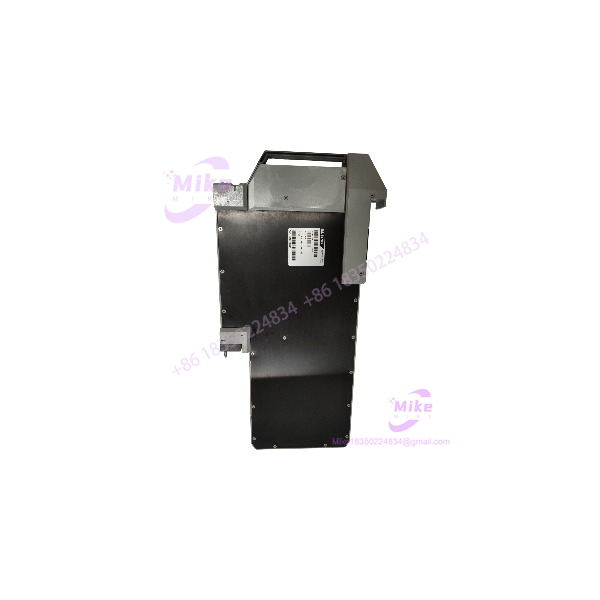
P0961FR
Key Technical Specifications
- Manufacturer: Foxboro (Schneider Electric)
- Product Category: Control Processor (CP60)
- Mounting Type: Standard I/A Series Chassis / Baseplate Slot
- Fault-Tolerant Capability: Yes (Redundant pairing supported)
- Block Memory: 2.6 MB
- Maximum Blocks: 4000
- Base Processing Cycle (BPC): 50ms Minimum
- Block Execution Rate: 3400 blocks/sec
- Sequence Block Size: 32 KB
- Fieldbus Module (FBM) Capacity: Up to 120 FBMs
- Operating Temperature Range: 0°C to +60°C
- Weight: Approximately 3.6 kg
Field Engineer’s Pitfall Guide (Unique Value)
- Disregarding Redundancy Synchronization: When swapping a failed processor model card in a live redundant pair, always ensure the replacement unit has been flashed with matching firmware before inserting it into the secondary slot. Inserting a mismatched version will break database synchronization and can drop the entire control node.
- Ignoring Power Supply Derating: Drawing maximum power from the rack without checking cabinet thermal limits causes premature component aging. I’ve seen a newly commissioned rack fail within six months simply due to restricted airflow in a tightly packed marshalling cabinet.
- Backplane Pin Damage: Always align the rear connector cards carefully before pushing home; forcing the module can bend delicate backplane pins, resulting in intermittent communication errors.
QA & Testing SOP (Transparency)
- Visual & Origin Verification: Each unit undergoes meticulous inspection to verify OEM seals, batch manufacturing codes, and pin structure integrity.
- Live Test Bench Environment: Modules are mounted on an active test rack powered by verified I/A Series power distributions to test thermal stability under load.
- Diagnostic & Execution Testing: Technicians execute diagnostic handshakes, memory integrity scans, and block execution benchmarking to confirm operational readiness.
- Anti-Static Packaging: Post-testing, units are wrapped in heavy-duty anti-static shielding and packed with moisture barrier materials for safe transport.
Technical FAQ
Can I hot-swap the P0961FR control processor while the process is running?
Yes, provided it is part of a properly configured, healthy fault-tolerant redundant pair where the secondary unit is online and holding active synchronization. Never pull a single standalone controller under power.
Does this processor retain application logic after a total power loss?
Yes. Configuration files and control strategies are stored in non-volatile flash memory or backed up via battery-supported RAM configurations, preventing logic loss during power interruptions.
What is the maximum number of field devices supported by this unit?
The P0961FR can communicate with and manage up to 120 Fieldbus Modules (FBMs) distributed across local or remote subsystem racks.
What is the standard warranty status for surplus inventory units?
Verified surplus or new-in-box modules typically carry a 12-month operational warranty covering material and manufacturing defects under normal industrial conditions.





