

Description
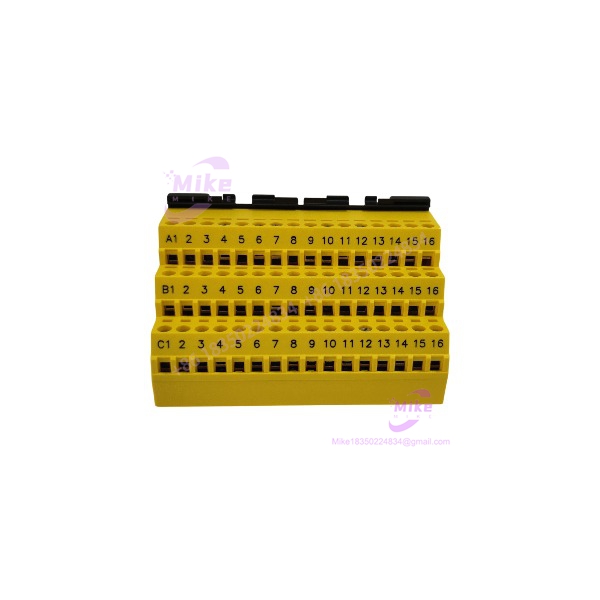
Emerson KJ2201X1-HA1 | DeltaV SIS SLS Terminal Block
Product Introduction
In a safety instrumented system, the terminal block is part of the control-system interface—not just a passive wiring accessory. The Emerson KJ2201X1-HA1 SLS Terminal Block is associated with the DeltaV SIS SLS1508 safety logic solver and is used to terminate field wiring within the safety-system architecture.
The OEM instruction sheet identifies a 30 VDC input rating, with current limits that depend on the circuit path. That distinction is important when checking field wiring or qualifying a replacement. The KJ2201X1-HA1 should be matched to the existing SLS1508 configuration and verified against the system’s wiring documentation before installation.
For maintenance and procurement teams, the key issue is exact compatibility. A terminal block with a similar appearance or general-purpose termination function is not automatically an acceptable replacement in a safety-related application.
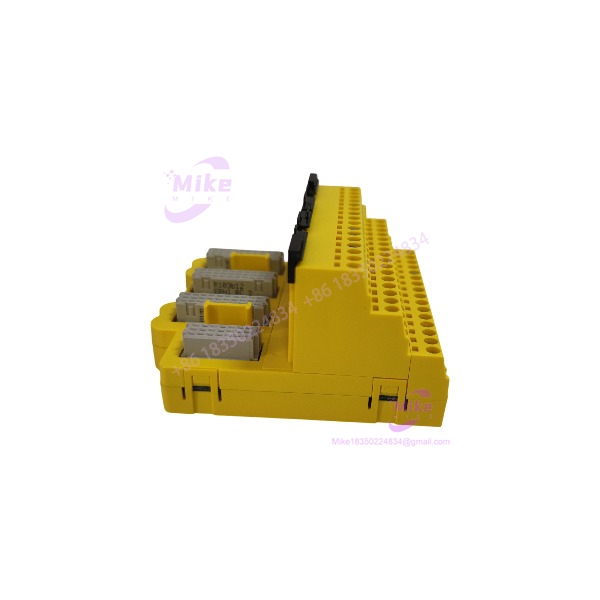
KJ2201X1-HA1
Key Technical Specifications
- Model Number: KJ2201X1-HA1
- Manufacturer: Emerson Automation Solutions
- System Platform: DeltaV SIS
- Component Type: SLS Terminal Block
- Associated Logic Solver: SLS1508
- Ordering Number Reference: 12P3322X022
- Input Power Rating: 30 VDC
- Maximum Current, A–B Terminals: 30 mA per channel
- Maximum Current, A–C Terminals: 1 A per channel
- Ambient Temperature: -40°C to +70°C
- Relative Humidity: 5%–95%, non-condensing
- Shock Resistance: 10 g, half-sine wave, 11 ms
- Vibration: 1 mm peak-to-peak from 2–13.2 Hz; 0.7 g from 13.2–150 Hz
- Airborne Contaminants: ISA-S71.04-1985 Class G3
- Hazardous-Area Markings: OEM documentation includes ATEX, IECEx, FM, CE, UKCA, and CSA references; confirm the actual unit’s markings and applicable installation approvals
- Removal/Insertion: Not permitted with system power energized
- Maintenance: No user-serviceable parts; calibration not required
Specification note: The above electrical and environmental ratings are from the OEM KJ2201X1-HA1 instruction sheet. Confirm terminal assignments, field-circuit requirements, and compatibility against the SLS1508 documentation and the actual unit revision before installation.
Global Sourcing & Live-Test SOP
For a used or surplus KJ2201X1-HA1, procurement verification should focus on exact identification, terminal integrity, and compatibility with the installed safety-system configuration. A visual inspection alone is not sufficient to establish suitability for service.
1. Inbound Verification
- Photograph the complete nameplate and all visible markings.
- Confirm the exact model .
- Record the associated ordering number, including 12P3322X022 where applicable.
- Record serial number, revision, and manufacturing information.
- Inspect the terminal body, mounting features, connectors, and contact surfaces.
- Check for cracks, deformation, corrosion, contamination, or signs of prior repair.
- Verify that terminal labels and identifiers are legible.
- Compare the terminal block’s markings and configuration with the installed SLS1508 system.
2. Terminal and Electrical Inspection
- Inspect terminal contacts for damage, oxidation, or loose hardware.
- Confirm that the terminal arrangement matches the system drawings.
- Verify the intended circuit paths and wiring assignments before applying power.
- Check that the planned field circuits remain within the applicable 30 VDC and per-channel current limits.
- Do not use an improvised energized test to establish suitability for a safety circuit.
- Document any damaged terminals or uncertain markings before accepting the unit.
3. System Compatibility Verification
The should not be approved for service solely because its terminals appear physically compatible.
- Confirm the associated SLS1508 logic-solver configuration.
- Compare the terminal block against the existing system bill of materials and wiring diagrams.
- Verify channel assignments and field-circuit requirements.
- Confirm that the unit’s revision and approvals are suitable for the intended installation.
- Have qualified safety-system personnel review the replacement configuration.
- Perform required post-installation checks and proof-test activities under the site’s approved safety procedures.
4. Extended Inspection and Condition Reporting
Unlike an active controller, a terminal block does not have a meaningful standalone software or firmware heat-run test. For surplus units, focus on mechanical and electrical integrity.
Document:
- Terminal condition
- Contact and connector condition
- Label legibility
- Mounting integrity
- Evidence of corrosion or contamination
- Any inspection or continuity-test procedure performed
- Actual test limitations
Do not describe the unit as fully function-tested or safety-validated unless the corresponding procedures were performed and documented.
5. Final Preparation and Shipment
- Record the complete model, ordering number, serial number, and revision.
- Photograph the terminal arrangement and all labels.
- Protect contacts and terminal openings from contamination.
- Use ESD-safe handling and suitable protective packaging.
- Include available OEM documentation.
- Clearly state the actual condition: used, refurbished, or unused surplus.
- Separate seller warranty terms from any verified OEM warranty.
- Do not represent the component as safety-certified for a specific installation without verifying the complete system requirements.
Field Engineer’s Pitfall Guide
❗ Do not confuse the terminal block with the logic solver
The is a terminal block associated with the safety logic solver. It is not the safety controller itself. Confirm that the replacement part number matches the component being removed.
❗ Terminal current limits depend on the circuit path
The OEM instruction sheet specifies 30 mA per channel for A–B circuits and 1 A per channel for A–C circuits. Do not apply one current limit indiscriminately to every terminal path. Confirm wiring and circuit requirements against the official documentation.
❗ Do not remove or insert the terminal block under energized conditions
Emerson’s instruction sheet states that the cannot be removed or inserted with system power energized. Follow the applicable DeltaV SIS isolation and maintenance procedures. Safety-system work should be performed by qualified personnel under the site’s approved process.
Intent-Driven FAQ
What is the Emerson ?
The is an Emerson DeltaV SIS SLS Terminal Block associated with the safety logic solver. It provides the terminal interface for the relevant safety-system field wiring.
What is the ordering number for the ?
The model is associated with ordering number 12P3322X022 in supplier references. Confirm the complete model and revision markings on the actual unit before purchasing.
What voltage does the support?
The OEM instruction sheet specifies a 30 VDC input rating. Circuit-specific current limits also apply and must be checked against the terminal path and system wiring.
Can the be hot-swapped?
No. Emerson’s instruction sheet states that the terminal block cannot be removed or inserted while system power is energized. Follow the applicable system isolation procedure.
Does the require calibration?
No. The OEM instruction sheet states that calibration is not required. This does not replace the need for installation checks or any safety-system verification required by the application.
Is the obsolete?
The is a legacy DeltaV SIS component encountered through industrial surplus channels. Confirm current lifecycle status, OEM support, and replacement guidance with Emerson for the exact model and revision.
What should I verify before buying a replacement ?
Confirm the complete model number, ordering number, revision, terminal condition, associated configuration, and applicable field-wiring requirements. For a safety-related installation, have qualified personnel verify compatibility before returning the system to service.
Bottom Line for Buyers
The is a DeltaV SIS SLS Terminal Block associated with the safety logic solver. Its OEM instruction sheet specifies a 30 VDC input rating, with current limits of 30 mA per channel for A–B circuits and 1 A per channel for A–C circuits.
For procurement, request clear nameplate and terminal photos, verify the ordering number and revision, and match the unit against the installed safety-system documentation. Do not assume energized removal, universal terminal compatibility, or application-level safety validation.





