Description
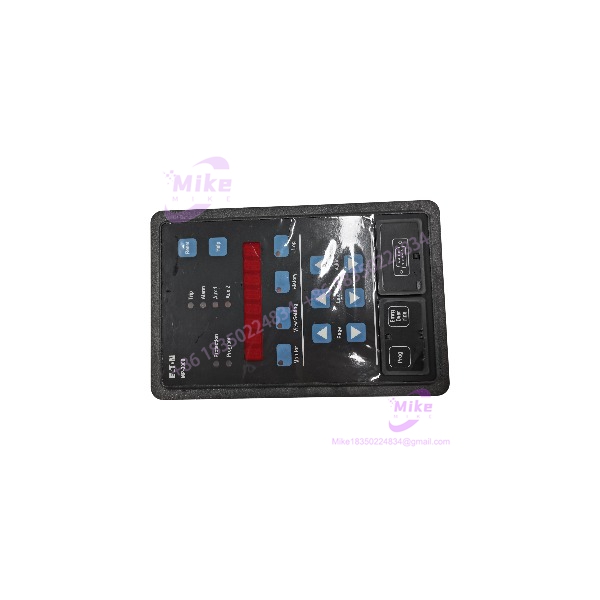
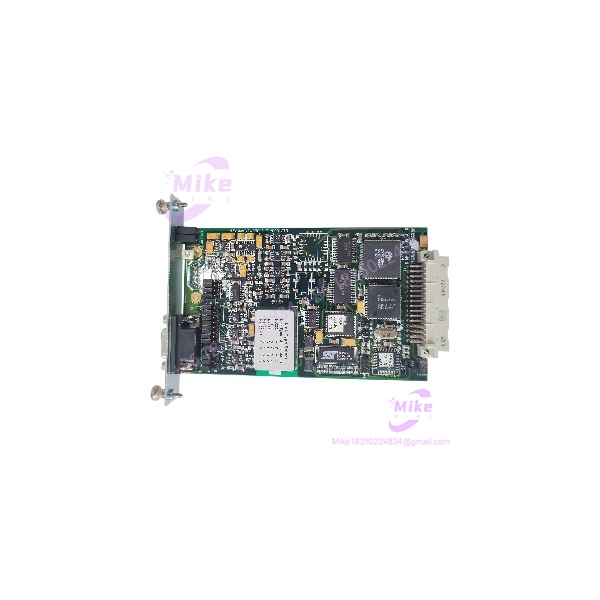
Eaton MPB1-TP | XV400 Communication Module
Product Introduction
The Eaton MPB1-TP is a serial communication expansion card designed for Eaton XV400 Micro Panel hardware. It occupies the appropriate expansion slot in the host panel and provides the communication interface and protocol drivers needed to exchange data between the operator panel and supported PLC systems. Eaton specifically states that the MPB1-TP supports a broad range of PLC drivers and physical interfaces.
For legacy machine retrofits, this distinction matters. The MPB1-TP is not a standalone PLC, HMI, or general-purpose I/O module; its function depends on the host XV400 hardware and the installed firmware/driver configuration. Eaton documentation also identifies the MPB1-TP and MPB2-TP as related communication cards, with the MPB2-TP adding MPI support for SIMATIC S7.
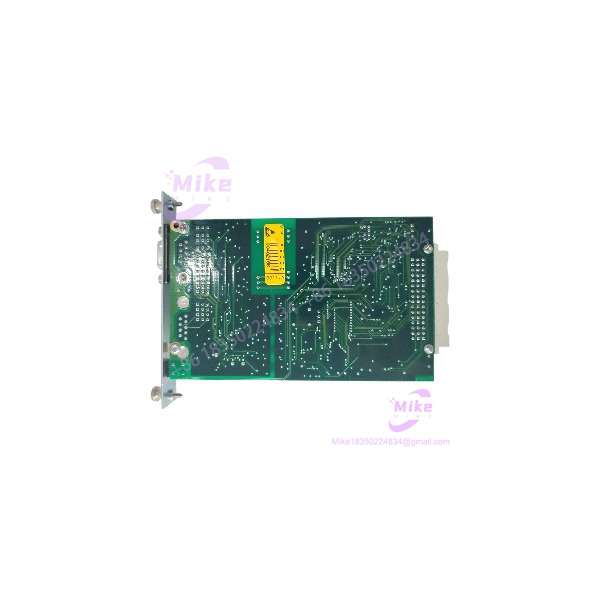
MPB1-TP
Key Technical Specifications
- Manufacturer: Eaton
- Model: MPB1-TP
- Product category: Communication module / communication card
- Host system: Eaton XV400 Micro Panel
- Installation: Internal expansion slot of compatible host device
- Primary factory interface configuration: RS485
- Physical interface capability: RS485, with documentation covering RS232, RS422, and TTY communication modes
- PLC protocol support: Multiple PLC-specific drivers
- Firmware-dependent functionality: Yes
- Factory default driver configuration: ALT / PS40 on the standard configuration
- Factory default bus termination: OFF
- Communication configuration: Dependent on installed firmware, interface settings, and host application
- Power source: Supplied through the host Micro Panel rather than functioning as an independent powered PLC module
- Related model: MPB2-TP
- MPB2-TP distinction: Adds MPI support for SIMATIC S7
- Manufacturer documentation: Eaton publication MN04802030Z-EN and related /MPB2-TP documentation.
Application Scenarios & Pain Points
Legacy PLC-to-HMI communication
An older machine may still depend on a serial PLC interface even after the operator panel has been replaced or serviced. The provides the communication hardware required by compatible XV400 installations without treating the communication card as a separate gateway device.
Eaton/Moeller PLC integration
The factory configuration documented by Eaton uses the PS40 driver for the . This is particularly relevant when maintaining older Eaton/Moeller control architectures where communication behavior depends on the installed driver rather than simply the physical connector.
Mixed-vendor automation systems
Eaton documentation states that the supports drivers for a range of PLC types. This makes the card useful in machines where an XV400 operator panel must exchange data with a legacy controller from another automation family.
Legacy HMI replacement
When an existing installation has lost its communication card, replacing the may be preferable to redesigning the entire HMI communication architecture. The host panel, firmware, driver, and PLC protocol still need to be checked as one system.
QA & Live Testing SOP
For an Eaton acquired as surplus, used, or open-box hardware, the following acceptance procedure is recommended:
- Identity verification
- Confirm the board marking identifies .
- Record the hardware revision and any visible serial or manufacturing information.
- Verify that it is intended for the specific host.
- Physical inspection
- Inspect the PCB, edge connector, terminal/interface hardware, jumpers, and mounting points.
- Look for oxidation, contamination, cracked solder joints, damaged connectors, or evidence of electrical overheating.
- Host compatibility check
- Verify that the intended Micro Panel provides the correct expansion slot.
- Do not install or remove the card while the host equipment is energized. Eaton explicitly instructs that these cards should only be fitted or removed with the power supply switched off.
- Interface verification
- Confirm the physical interface configuration.
- Check RS485 termination status and any applicable configuration settings.
- Verify that the selected physical interface corresponds to the intended PLC connection.
- Firmware/driver verification
- Identify the installed firmware configuration.
- Confirm that the required PLC driver is available for that firmware version.
- Eaton notes that firmware version determines the range of supported drivers.
- Live communication test
- Connect the to a compatible host.
- Establish communication with an appropriate PLC simulator or controlled PLC test system.
- Verify correct device addressing, baud rate, parity, protocol selection, and data exchange.
- Functional acceptance
- Confirm stable cyclic communication.
- Check read/write transactions where supported.
- Introduce a controlled communication interruption and verify that the host application detects the loss of communication correctly.
- ESD-safe handling
- Handle the communication card using appropriate ESD precautions.
- Protect the PCB and connector from static discharge, moisture, and mechanical impact during storage and shipment.
Field Engineer’s Pitfall Guide
❗ is not a standalone PLC or HMI.
It is an expansion communication card intended for compatible Eaton Micro Panel hardware. Eaton specifically states that the card requires the appropriate host slot.
❗ Do not assume every has the same protocol configuration.
The firmware version determines which PLC drivers are available. A physically correct card can still fail to communicate if its firmware does not provide the required driver.
❗ Check the interface configuration before commissioning.
Eaton documentation identifies RS485 as the factory-default configuration. The communication card must be configured for the physical layer and protocol required by the application.
❗ Do not confuse with MPB2-TP.
The two cards are closely related, but Eaton specifies that the additionally supports the MPI interface for SIMATIC S7.
❗ Do not hot-swap the card.
Eaton explicitly states that / cards must only be installed or removed with the power supply switched off.
Intent-Driven FAQ
What is the Eaton ?
The is a communication expansion card for compatible Micro Panel devices. It provides serial communication interfaces and PLC-specific drivers required for controller-to-panel data exchange.
Is a PLC module?
No. The is a communication card, not a standalone PLC CPU or I/O module. Its operation depends on the compatible host device.
What communication interface does use?
Eaton documentation identifies RS485 as the factory-default configuration. The documentation also covers multiple physical interface types, including RS232, RS422, RS485, and TTY configurations.
Can communicate with different PLC brands?
Yes, subject to the installed firmware and available communication drivers. Eaton states that the supports drivers for a broad range of PLC types.
What is the difference between and ?
The two communication cards are substantially related. Eaton specifies that adds MPI support for SIMATIC S7, while the does not provide that MPI interface.
Does support Modbus?
The hardware family can be configured for different communication drivers, and Eaton documentation identifies an configuration with and Modbus-related firmware. Therefore, do not assume that every generic carries the same Modbus configuration—verify the exact firmware/configuration before procurement.
What should be verified before buying a replacement ?
Verify the exact model, host compatibility, hardware revision, firmware/driver configuration, physical interface, and termination configuration. For a legacy machine, those details are more important than the board’s appearance alone.