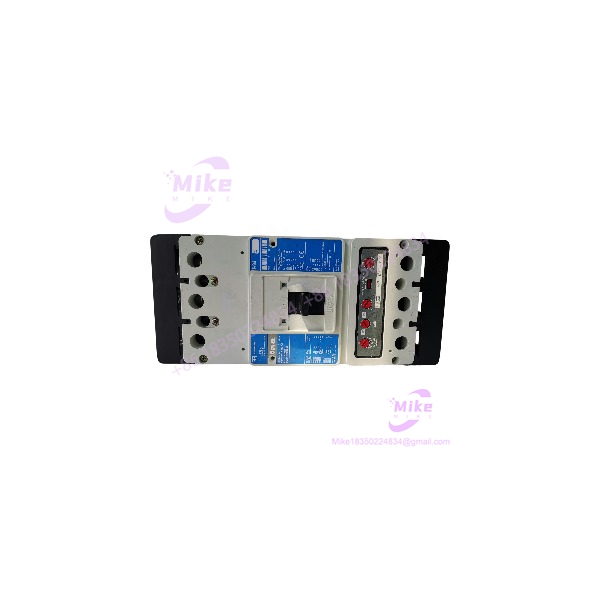
Description
Cutler-Hammer CE15KN3 | 73A 3-Pole AC Control Contactor Specs
Dynamic Project Introduction
Troubleshooting erratic motor starters in high-cycle industrial panels during peak production windows tests the limits of any maintenance team. When legacy contactors suffer from severe contact pitting, coil burnout, or mechanical binding, motor start failures can shut down entire processing lines.
Enter the Eaton Cutler-Hammer CE15KN3, a heavy-duty Freedom Series IEC contactor engineered to anchor reliable power switching across demanding industrial environments. By combining a high-current 73-amp switching capacity with a compact Frame K footprint, this CE15KN3 hardware base eliminates the reliability gaps typical of aging switching gear. Facilities upgrading to this contactor experience dependable motor control and extended operational lifecycles—though this strictly depends on matching coil voltage ratings and maintaining proper terminal torque.
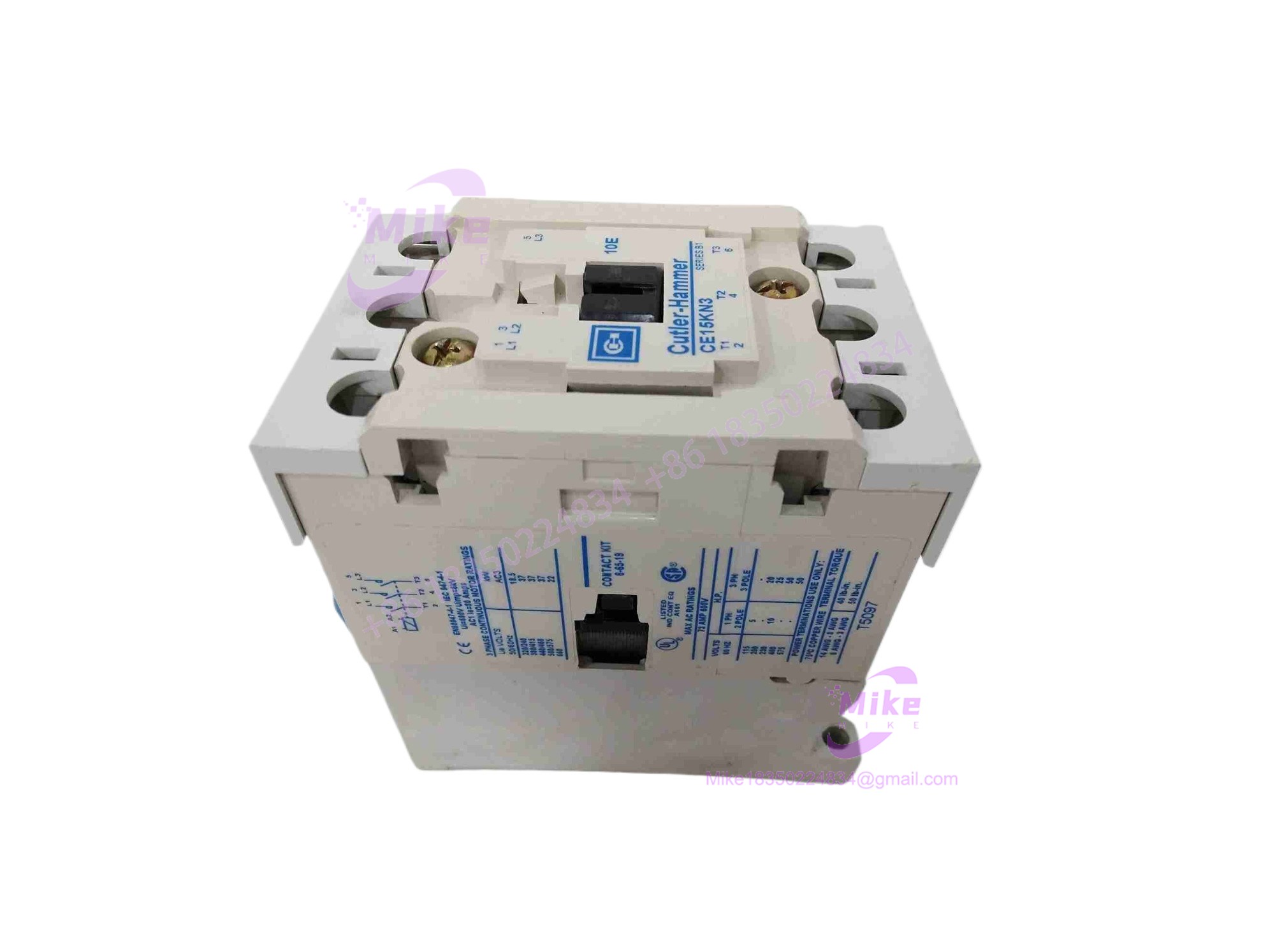
CE15KN3
Key Technical Specifications
| Core Parameter | Technical Specification |
|---|---|
| Product Series | Cutler-Hammer Freedom Series (IEC) |
| Product Type | 3-Pole Non-Reversing AC Contactor |
| Continuous Ampere Rating | 73 A |
| Number of Poles | 3-Pole (3-Phase Power Switching) |
| Frame Size | Frame K |
| Frequency Rating | 50/60 Hz |
| Enclosure Style | Open Type (Standard Steel Mounting Plate Base) |
| Operating Temperature | -25°C to +50°C |
| Mounting Architecture | DIN Rail or Panel Mount |
| Approximate Weight | ~2.12 lbs (~0.96 kg) |
Global Sourcing & Live-Test SOP (Transparency Core)
Procuring surplus or replacement electromechanical power hardware demands an uncompromising quality control pipeline. In heavy industrial deployments, dropping an untested contactor into a live motor circuit can lead to catastrophic arc flash or phase failure.
- Inbound Verification: Every incoming shipment of the Cutler-Hammer CE15KN3 undergoes meticulous documentation review alongside high-magnification holographic serial number checks to block gray-market counterfeits.
- Live Simulation: Technicians mount the contactor onto an authentic motor control test bench to verify mechanical armature freedom and magnetic pull-in reliability.
- Diagnostics: Engineers execute full-scale coil voltage activation tests, measure contact resistance across all three poles using micro-ohmmeters, and run a thermal cycling test under load to flush out infant mortality defects.
- Final Prep: Once cleared, the unit is logged by revision level, packed in anti-corrosion protective wrapping, and boxed for storage.
The Field Engineer’s Pitfall Guide
❗ Coil Voltage Mismatches: Energizing the CE15KN3 control coil with an incorrect voltage source (e.g., applying 240 VAC to a 120 VAC coil variant) will instantly fry the internal magnet wire, destroying the contactor. Always cross-reference the suffix code on the front label prior to wiring.
❗ Terminal Torque Failures: Overtightening or undertightening the heavy power cable lugs on the CE15KN3 can lead to high-resistance connections, resulting in excessive localized heat generation and terminal block melting. Always adhere to manufacturer torque specs (e.g., 40 to 50 lb-in depending on wire gauge).
❗ Arc Chute Debris Accumulation: Failing to inspect internal arc chutes and contacts after a major downstream short circuit can leave conductive carbon tracking, causing phase-to-phase flashovers upon re-energization.
Intent-Driven Field FAQ
- Will I lose my motor protection settings if I replace a faulty contactor? No. The is a standalone switching contactor; thermal overload protection relays are modular or separate components mounted below or adjacent to it depending on your specific starter configuration.
- Can I attach auxiliary contact blocks to this contactor model? Yes, the Freedom Series design accommodates side-mounted or top-mounted auxiliary contact blocks for expanded control interlock wiring.
- How do I verify the exact coil voltage rating of my unit? The coil voltage and catalog suffix (such as AB for 120V or CB for 480V) are printed clearly on the manufacturer label affixed to the front coil housing assembly.
- What tools are required to inspect contact health locally? A calibrated digital multimeter for checking coil resistance and a flashlight to visually inspect silver-alloy contact tips for pitting or wear are recommended.
- Are surplus factory-sealed units supplied with a warranty? Yes, trusted industrial suppliers back verified surplus and factory-sealed contactors with a standard 12-month operational warranty.