

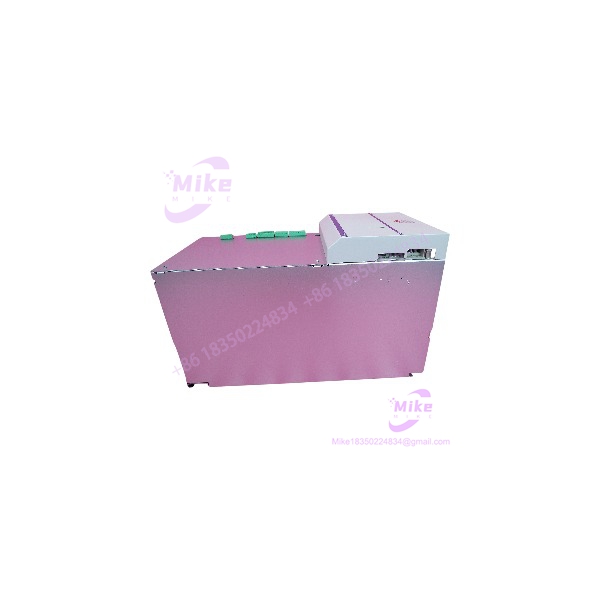
Description
Bosch Rexroth HVE04.2-W075N | 75kW DIAX04 Power Supply
Dynamic Product Introduction
In a DIAX04 cabinet, the HVE04.2-W075N is the part that establishes the electrical foundation for several downstream drive axes. Instead of feeding every axis amplifier from an independent mains connection, the HVE supply converts the three-phase mains into a common DC link that the connected drive controllers share.
The published second-generation DIAX04 documentation identifies the HVE04.2-W075N as the 75 kW-class HVE supply and gives 3 × 380–480 VAC ±10% as its mains input. Its DC bus is not a tightly regulated 24 V-style output; the documented bus range is 530–670 VDC, so this equipment must be treated as high-energy DC power hardware.
The model also incorporates a contactor for mains power cut-off and is designed around a shared DC-bus architecture. This makes it particularly relevant when maintaining older multi-axis machine tools, handling systems, packaging machinery, and other DIAX04 installations where replacing the complete drive architecture would be impractical.
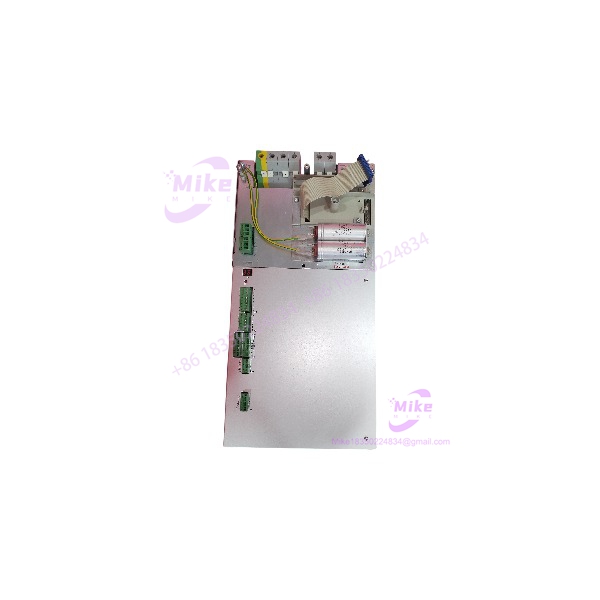
HVE04.2-W075N
Key Technical Specifications
- Model: HVE04.2-W075N
- Material number: R911190002
- Drive family: Bosch Rexroth Indramat DIAX04
- Supply type: HVE power supply unit
- Mains input: 3-phase, 380–480 VAC
- Input tolerance: ±10%
- Input frequency: 50–60 Hz
- Frequency tolerance: ±2 Hz
- DC bus voltage: 530–670 VDC
- Rated power class: 75 kW
- Cooling: Internal air with integrated blower
- Protection category: IP10
- Built-in power contactor: Yes
- Diagnostic display: Front-mounted diagnostic/alphanumeric display
- Approximate weight: 28 kg
- Approximate cabinet dimensions: 630 × 270 × 320 mm according to current refurbishment documentation
- Product status: Obsolete/legacy
- Associated DC-bus system: Multiple DIAX04 drive controllers
The historical Bosch Rexroth documentation gives more useful power-system information than many reseller descriptions. For the HVE04.2-W075N at 380 VAC, the published configuration table shows 33 kW continuous DC-bus power, 66 kW short-term 30-second power, and 99 kW for the 0.3-second peak condition, with a maximum braking energy value of 250 kWs in the listed configuration. These figures depend on the specified mains and DC-bus arrangement, so they should not be simplified into a blanket “75 kW continuous DC output” claim.
What the HVE04.2-W075N Does
The unit:
- Converts 3-phase AC mains to the common DC bus.
- Feeds multiple compatible drive controllers.
- Provides the high-voltage DC link used by the connected servo amplifiers.
- Incorporates the power-contactor function for system power shutdown.
- Works with defined DC-bus capacitance and choke configurations.
- Uses forced internal-air cooling.
- Provides diagnostic information through its front display.
It is therefore a system-level power supply, not a standalone motor controller.
DC-Bus and Regenerative Energy Considerations
One point deserves special attention during migration work: the .2- does not operate like a conventional regulated DC power supply.
The HVE architecture uses an unregulated DC bus, and braking energy from the connected axes is handled through the system’s braking/bleeder architecture. Bosch Rexroth documentation specifies braking-energy parameters separately from the mains conversion rating.
The documented .2- power data at 380 VAC includes:
- Continuous DC-bus power: 33 kW
- 30-second DC-bus power: 66 kW
- 0.3-second peak power: 99 kW
- Continuous bleeder/braking power: 2.5 kW
- Short-term braking power: 270 kW
- Maximum braking energy: 250 kWs
Those values belong to the specified system configuration and should not be interpreted as a promise that every machine can continuously operate at those levels. The connected DC-bus choke, capacitance, ambient conditions, mains voltage, and drive configuration all matter.
Global Sourcing & Live-Test SOP
1. Inbound Verification
For a used .2-, record the complete identification before testing.
Verify:
- .2-
- R911190002, where present
- Hardware/revision markings
- Serial number
- Front diagnostic display
- Cooling fan/blower
- Main input terminals
- DC-bus terminals
- Contactor condition
- Cabinet mounting points
Do not confuse the base unit with:
- .2-W075
- .2-W075L
- .2-/S200
- .2-/S201
- .2-/S202
Bosch Rexroth/Indramat supplier records treat these as distinct configurations/material numbers.
2. High-Voltage Inspection
This is not a low-voltage bench-test component.
Before applying power:
- Inspect the DC-bus terminals for carbonization or arcing.
- Check bus capacitors for leakage, swelling, or mechanical damage.
- Inspect the cooling path.
- Verify blower operation mechanically.
- Check contactor condition.
- Inspect high-current terminals for discoloration.
- Verify cabinet grounding.
- Check insulation according to the applicable service procedure.
Because the DC bus can reach 670 VDC, appropriate high-voltage procedures and discharge verification are mandatory.
3. Controlled Power-Up
Use the correct 3-phase supply and properly rated protective equipment.
Monitor:
- Input phase balance
- Inrush/charging behavior
- Contactor operation
- DC-bus rise
- Diagnostic display
- Blower operation
- Abnormal acoustic noise
- Fault indications
Never connect a valuable drive rack to an unverified used HVE supply merely because the unit displays a normal status indication.
4. DC-Bus Test
Measure the DC bus with equipment rated for the voltage and transient environment.
Verify:
- Bus voltage
- Bus stability
- Phase-to-phase input voltage
- Abnormal ripple
- Charging sequence
- Discharge behavior
- Fault/reset behavior
Allow the system’s specified discharge process to complete before touching DC-bus terminals. A multimeter reading alone is not a substitute for following the machine’s documented high-voltage isolation procedure.
5. Extended Heat Run
For a refurbished spare, operate the supply under an appropriate controlled load while recording:
- Input voltage
- DC-bus voltage
- Load condition
- Ambient temperature
- Internal/cabinet temperature
- Blower behavior
- Diagnostic status
- Fault history
- Contactor behavior
A 24-hour test can expose marginal cooling components and aging capacitors, but it does not replace the manufacturer’s original qualification procedure.
Field Engineer’s Pitfall Guide
❗ 1. Do Not Assume “75 kW” Means 75 kW Continuous DC-Bus Output
The 75 kW designation is the unit’s rated power class. Bosch Rexroth’s detailed HVE power tables give different continuous, 30-second, and 0.3-second DC-bus power values depending on mains voltage and system configuration.
For engineering replacement, use the original project planning data rather than a reseller’s headline wattage.
❗ 2. Do Not Substitute an HVR Regenerative Supply Without Re-engineering the System
The HVE architecture is an unregulated DC-bus supply with braking energy handled through the bleeder arrangement. HVR units belong to a different power-supply architecture.
If the machine was designed around HVE hardware, replacing it with another power architecture affects braking-energy management, DC-bus behavior, and connected drive compatibility.





