


Description
HIMA F3226A | HIQuad Safety Digital Input Module
Dynamic Product Introduction
A safety input failure does not look like a typical PLC fault. The process may continue running while a critical protection signal becomes unavailable, forcing operators into manual intervention or controlled shutdown.
The HIMA F3226A is a HIQuad-series safety input module designed for acquiring digital signals from field devices such as emergency stops, limit switches, pressure switches, and process interlocks. It works as part of a certified safety control environment where diagnostic coverage and predictable signal behavior matter.
Unlike standard automation input cards, the F3226A is built for safety applications where channel monitoring, fault detection, and system diagnostics are part of the engineering requirement. The module works together with HIMA CPU hardware and engineering software rather than operating as an independent PLC expansion card.
In existing plants, this type of module is often kept as a lifecycle spare because replacing an entire safety platform requires application validation, shutdown planning, and documentation updates. Keeping a tested F3226A available can shorten recovery time when a legacy HIQuad installation experiences hardware failure.
(From field maintenance experience, the expensive mistake is assuming a physically compatible module is automatically a certified replacement.)
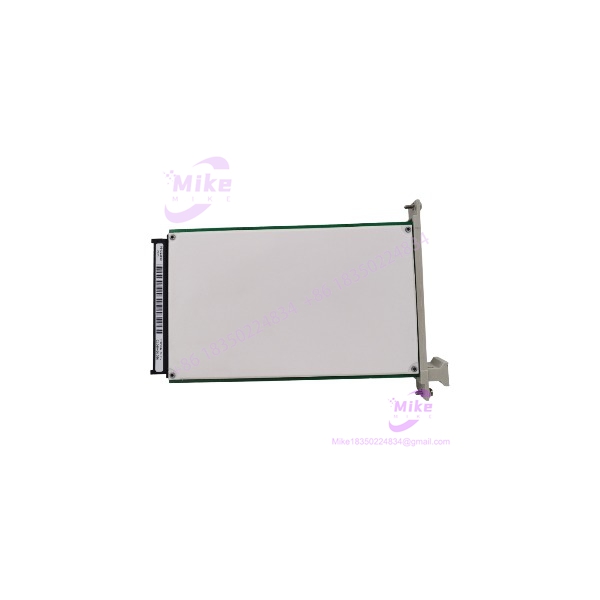
F3226A
Key Technical Specifications
- Model: F3226A
- Manufacturer: HIMA Paul Hildebrandt
- System Family: HIQuad Safety Controller Platform
- Module Type: Safety Digital Input Module
- Input Channels: 8 digital input channels
- Field Voltage: 24 VDC nominal
- Application:
- Emergency shutdown systems (ESD)
- Safety instrumented systems (SIS)
- Burner management systems
- Machine protection systems
- Safety Integrity: Suitable for SIL 3 applications when applied within an approved safety architecture
- Input Monitoring: Channel-level diagnostic supervision
- Isolation: Safety-rated electrical separation
- Mounting: HIQuad rack installation
- Engineering Environment: HIMA safety engineering tools
- Diagnostics:
- Module fault monitoring
- Input state monitoring
- System diagnostic reporting
Global Sourcing & Live-Test SOP (Transparency Core)
Legacy HIMA modules require disciplined inspection. A safety module that powers on is not automatically ready for service.
The purpose of testing is not only to confirm operation, but to establish confidence that the hardware matches the original safety design.
Inbound Verification
Each incoming HIMA F3226A should receive:
- Exact model confirmation
- Hardware identification recording
- Serial number capture
- Connector inspection
- Housing inspection
- PCB condition review
Inspection points:
- Rear rack connector pins
- Front terminal interface
- Mechanical locking components
- Signs of moisture exposure
- Previous repair evidence
A replacement module should match the existing HIQuad configuration. Similar HIMA input modules can have different electrical behavior and diagnostic characteristics.
Live Simulation
A proper validation setup should include:
- Authentic HIMA HIQuad rack
- Compatible power supply
- HIMA controller hardware
- Simulated 24 VDC field signals
- Engineering workstation
Test procedure:
- Install the into the correct rack position.
- Confirm controller recognition.
- Apply simulated field inputs.
- Verify channel response.
- Check diagnostic messages.
Functional simulation should include:
- Input ON/OFF transitions
- Signal interruption testing
- Channel fault response
- Controller communication verification
Diagnostics
Recommended equipment:
- Fluke industrial multimeter
- 24 VDC laboratory supply
- Continuity tester
- HIMA engineering tools
Diagnostic checks:
- Input voltage threshold verification
- Channel LED operation
- Backplane communication
- Fault reporting
- Module status
A safety input module should be tested inside the intended controller environment. A bench voltage check alone provides limited confidence.
Final Preparation
Before shipment:
- Record hardware details.
- Document test results.
- Protect rack connectors.
- Use ESD-safe packaging.
- Maintain inventory traceability.
For discontinued safety platforms, proper documentation can save hours during commissioning.
The Field Engineer’s Pitfall Guide
❗ Do not replace without checking the safety project configuration.
A replacement module may appear healthy but still require engineering verification. I have seen shutdown systems remain unavailable because the hardware matched while the configured safety application did not.
❗ Do not copy terminal wiring from another HIMA input module without verification.
HIMA HIQuad modules may look similar externally, but channel arrangement and wiring definitions can differ. One incorrect terminal assignment can create nuisance trips or hidden unavailable channels.
❗ Do not ignore rack power capacity and aging infrastructure.
Older HIQuad cabinets may have limited spare capacity. Adding or replacing modules without checking the 5 VDC and 24 VDC supply loading can introduce intermittent faults.
Intent-Driven FAQ
What is the HIMA used for?
The is a safety digital input module used in HIQuad safety systems to process field switching signals for protective control applications.
Is the a standard PLC input module?
No. It is a safety-related input module designed for HIMA safety automation platforms. It includes diagnostic functions and operates within a validated safety architecture.
Can I directly replace a failed ?
Only after verifying:
- Exact HIMA model
- Hardware revision
- Rack compatibility
- Safety application configuration
- Field wiring
A plug-in replacement does not automatically complete safety approval requirements.
Does the support SIL 3 systems?
The HIMA HIQuad platform supports SIL 3 safety applications when the complete safety loop is correctly designed, configured, and validated.
Does the contain a user program?
No. Safety logic execution is handled by the HIMA controller system. The provides field signal acquisition and diagnostic reporting.
Why would a replacement show a fault after installation?
Common causes include:
- Incorrect module type
- Configuration mismatch
- Wiring differences
- Rack communication problems
- Field device faults
Is the still available as new OEM hardware?
The belongs to a legacy HIMA HIQuad generation, so many facilities source tested replacement units or surplus inventory to maintain existing safety systems.





