


Description
HIMA F3330 | 8-Channel 24V Safety Output Interface
Dynamic Product Introduction
A safety controller can correctly detect a dangerous condition and still fail if the final output interface cannot execute the required action.
The HIMA F3330 is a HIQuad safety output module designed to transfer validated control commands from the safety processor to external devices such as shutdown valves, solenoids, alarms, and protective equipment. It forms the connection point between safety logic execution and physical process intervention.
The F3330 is not intended to replace a standard PLC transistor or relay output card. Safety output modules must consider failure behavior, diagnostics, output supervision, and the requirements of a certified safety architecture.
For plants operating legacy HIMA HIQuad systems, maintaining a tested F3330 spare can reduce recovery time after a hardware failure. Replacing the module requires more than matching the part number — engineers must confirm output wiring, connected load characteristics, safety configuration, and rack compatibility.
In field troubleshooting, I have seen shutdown delays caused by incorrect assumptions around output hardware. A module may fit mechanically and power up normally, yet fail during commissioning because the actuator circuit does not match the original design.
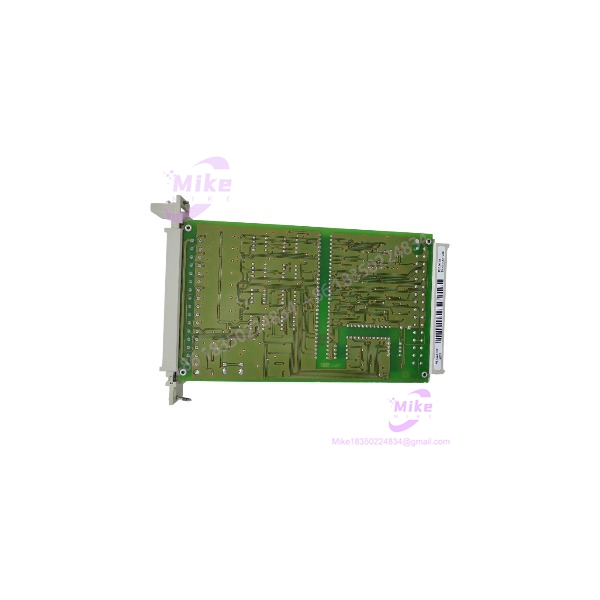
F3330
Key Technical Specifications
- Model: F3330
- Manufacturer: HIMA Paul Hildebrandt
- System Family: HIQuad Safety Controller System
- Module Type: Safety Digital Output Module
- Output Channels: 8 digital output channels
- Nominal Output Voltage: 24 VDC
- Application Areas:
- Emergency shutdown systems (ESD)
- Safety instrumented systems (SIS)
- Burner management systems
- Machine protection systems
- Safety Application: SIL-rated applications depending on complete system architecture
- Installation: HIQuad rack-mounted module
- Controller Interface: HIMA safety backplane communication
- Output Functions:
- Actuator command switching
- Safety shutdown control
- Alarm activation
- Diagnostics:
- Output channel monitoring
- Module status monitoring
- Fault reporting
- Controller communication diagnostics
- Typical Connected Devices:
- Solenoid valves
- Shutdown actuators
- Relays
- Safety annunciators
Global Sourcing & Live-Test SOP (Transparency Core)
Safety output modules require stricter verification than conventional automation components. A powered module is not automatically a service-ready module.
The purpose of testing is to confirm switching performance, diagnostic behavior, and compatibility with the intended HIQuad environment.
Inbound Verification
Each incoming HIMA F3330 should receive:
- Exact model confirmation
- Hardware identification recording
- Serial number documentation
- Connector inspection
- Housing inspection
- PCB condition review
Inspection points:
- Backplane connector pins
- Terminal interface
- Output terminals
- Mechanical locking components
- Signs of thermal stress
The replacement unit must match the original safety system design. Similar HIMA output modules may have different electrical characteristics or diagnostic functions.
Live Simulation
A practical validation setup should include:
- Authentic HIMA HIQuad rack
- Compatible safety controller
- 24 VDC power source
- Simulated actuator loads
- Engineering workstation
Test sequence:
- Install the module.
- Verify rack communication.
- Apply output commands.
- Measure switching response.
- Confirm diagnostic feedback.
Functional tests should include:
- Output activation
- Output deactivation
- Load simulation
- Fault condition testing
- Communication verification
For safety outputs, using a controlled simulator is preferred before connecting plant equipment.
Diagnostics
Recommended equipment:
- Fluke industrial multimeter
- DC current measurement tools
- 24 VDC laboratory supply
- HIMA engineering tools
Diagnostic checks:
- Output voltage measurement
- Channel switching behavior
- Load response
- Fault reporting
- Backplane communication
A basic voltage check does not prove safety functionality. The module must be tested within the controller architecture where diagnostics are evaluated.
Final Preparation
Before shipment:
- Record module identification.
- Document test results.
- Protect connector surfaces.
- Use ESD-safe packaging.
- Maintain traceability records.
For legacy SIS equipment, accurate records reduce commissioning uncertainty.
The Field Engineer’s Pitfall Guide
❗ Do not install the without checking actuator current requirements.
Output modules have defined load limits. A valve solenoid may exceed expected current during startup even when its nominal rating appears acceptable. I have seen replacement modules fail because the connected load was never reviewed.
❗ Do not overlook fail-safe output philosophy.
Safety systems often depend on a defined energized or de-energized state. Changing output wiring without reviewing the safety cause-and-effect logic can create an incorrect shutdown response.
❗ Do not assume identical terminal assignments across HIMA output modules.
Two modules may look similar from the front panel but use different channel mappings. Copying old wiring blindly can create commissioning faults.
Intent-Driven FAQ
What is the HIMA used for?
The is a HIQuad safety digital output module used to control field devices in safety-related automation systems.
Is the a standard PLC output card?
No. The is designed for safety applications where output diagnostics, fault handling, and validated system behavior are required.
Can I directly replace a failed ?
Only after confirming:
- Exact model number
- Hardware revision
- HIQuad rack compatibility
- Safety application configuration
- Field wiring
- Connected actuator load
What devices connect to the ?
Typical applications include:
- Shutdown valves
- Solenoids
- Safety relays
- Alarm devices
- Protective actuators
Does the contain safety logic?
No. The HIMA safety controller executes the application logic. The provides the output interface between controller decisions and field devices.
Why would a replacement fail after installation?
Common causes include:
- Incorrect output wiring
- Load current mismatch
- Configuration mismatch
- Rack communication issues
- Field actuator faults
Is the HIMA still available as new OEM stock?
The belongs to the legacy HIQuad product family. Many industrial facilities maintain operation through tested replacement units, surplus inventory, and lifecycle support programs.
Procurement verdict: The is a safety-critical HIQuad output interface designed for maintaining existing SIS installations. It should be sourced and validated as part of the complete safety chain.
Before installation, confirm compatibility, output load requirements, terminal definitions, HIQuad configuration, diagnostic behavior, and documented functional testing to avoid extended safety-system downtime.





