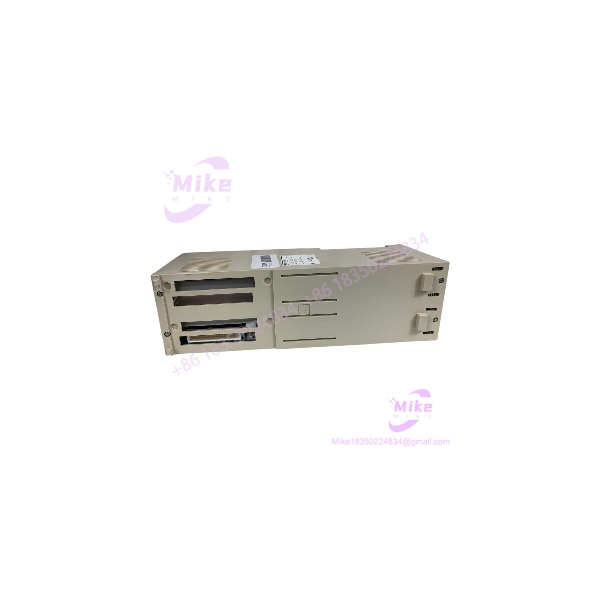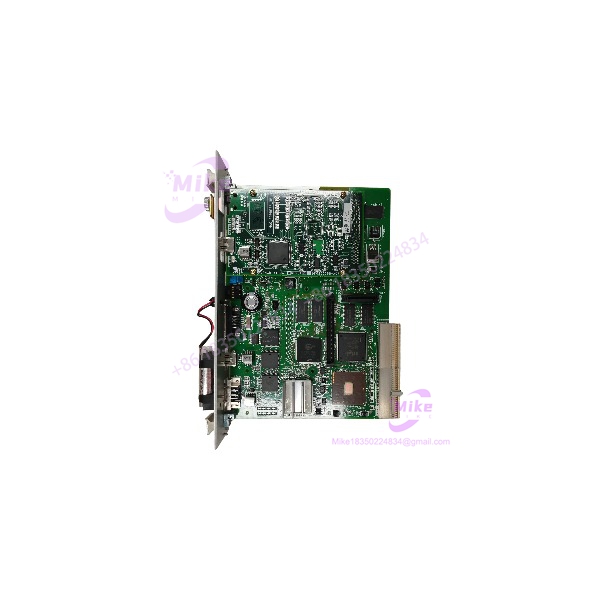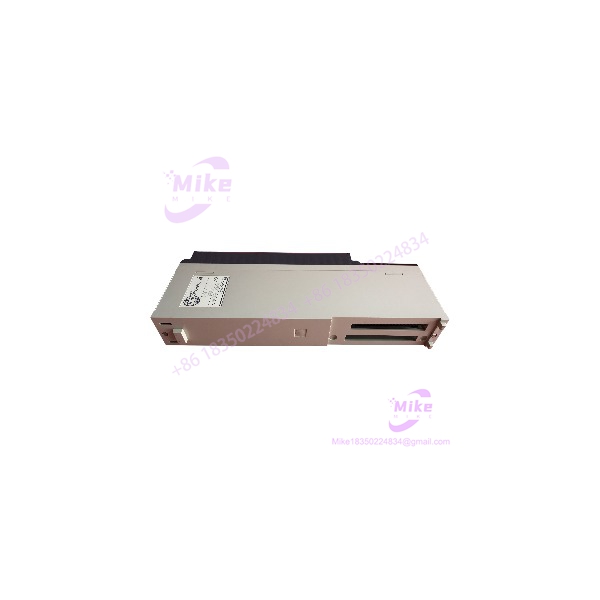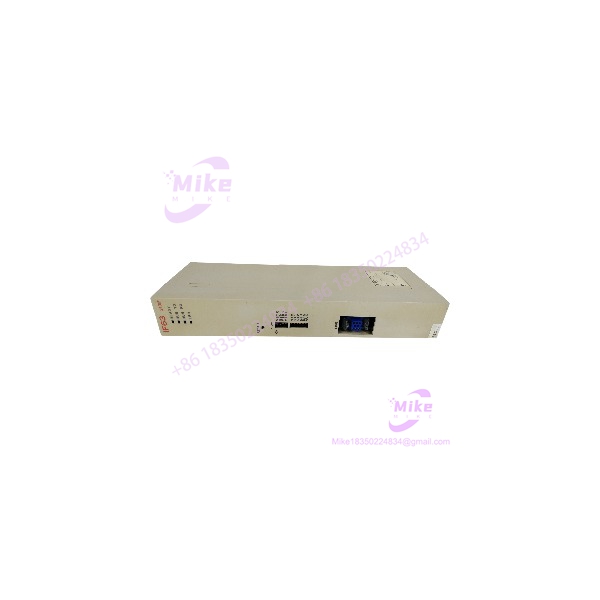
Description
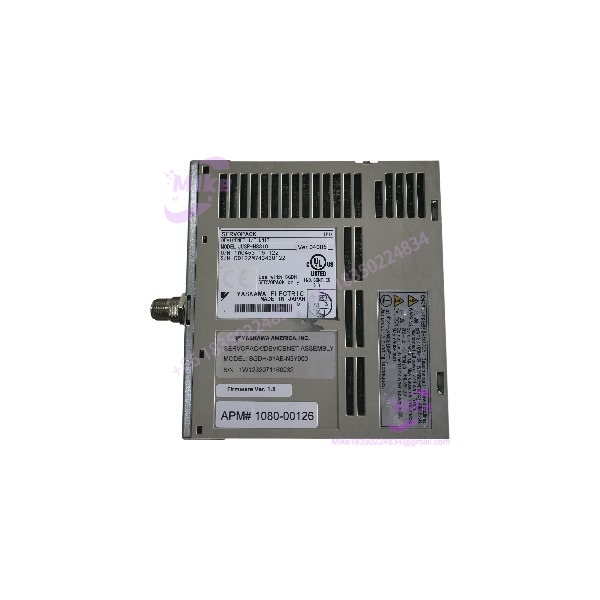
Yaskawa JUSP-NS310 | Sigma II DeviceNet Indexer Module
Product Introduction
When a Sigma II servo system loses its DeviceNet positioning interface, replacing the entire SERVOPACK may not be necessary. The Yaskawa JUSP-NS310 is a Sigma II application module designed to provide DeviceNet-based positioning functionality with compatible SGDH servo amplifiers.
The NS310 is an application/interface module—not a standalone servo drive. It mounts to the SERVOPACK and depends on the host amplifier for its operating environment. Yaskawa documentation distinguishes the NS310 from related Sigma II options, including the NS300 DeviceNet module, NS500 PROFIBUS-DP module, and NS600 indexer. Confirm the installed option number before sourcing a replacement; similar-looking Sigma II modules are not automatically interchangeable.
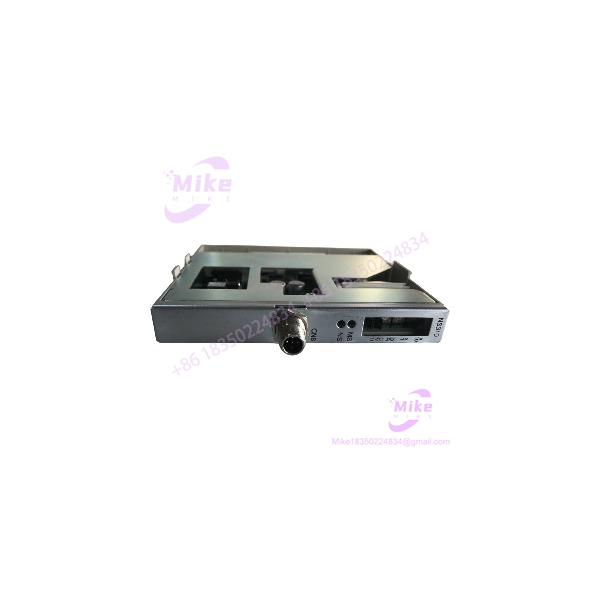
JUSP-NS310
Key Technical Specifications
- Model: JUSP-NS310
- Manufacturer: Yaskawa Electric
- Series: Sigma II
- Module Type: DeviceNet application/indexer module
- Communication Interface: DeviceNet
- Control Function: Positioning using DeviceNet communications
- Command Capabilities: Motion commands, including position and speed, plus parameter read/write functions
- Network Baud Rates: 125, 250, or 500 kbps, selected by rotary switch
- Node Address Range: 0–63, selected by rotary switches
- Mounting Location: Compatible SGDH SERVOPACK side; option interface
- Power Source: Supplied through the SERVOPACK interface; confirm the specific host-drive requirements
- Applicable SERVOPACK: Verify the complete SGDH model against the JUSP-NS310 manual
- Standalone Operation: Not a standalone servo amplifier
- Exact Module Power Consumption: Confirm from the applicable Yaskawa documentation; do not transfer ratings from another option
- Lifecycle Status: Discontinued per Yaskawa’s Sigma II product lifecycle information
The NS310 is documented as a DeviceNet indexer/application module. Its network settings and host-drive compatibility should be verified from the original manual before commissioning.
Global Sourcing & Live-Test SOP
For a legacy JUSP-, test evidence and configuration matching matter more than cosmetic condition.
1. Incoming Verification
- Photograph the module label and all visible sides.
- Confirm the exact JUSP-NS310 model designation.
- Record serial number, version, and any hardware revision markings.
- Inspect the connector that mates with the SERVOPACK for bent pins, contamination, or damage.
- Check the housing, mounting points, rotary switches, and DeviceNet connector.
- Look for corrosion, residue, cracked components, or evidence of previous repair.
- Confirm whether the module is supplied alone or with any cables or accessories.
- Compare the candidate module with the original installed unit before accepting it as a replacement.
2. Host Amplifier Compatibility
- Record the complete SGDH SERVOPACK model number.
- Verify compatibility with manual—not just the Sigma II family name.
- Confirm that the original installation uses an rather than an NS300, NS500, NS600, or another option.
- Check the option interface and mounting arrangement.
- Do not install or remove the module while the drive is energized.
- Follow Yaskawa’s specified power-down and discharge procedures before handling the drive assembly.
3. DeviceNet Configuration and Functional Test
- Record the original baud-rate and node-address switch settings before changing anything.
- Confirm the DeviceNet network baud rate and node-address assignment.
- Use a compatible SGDH SERVOPACK and an appropriate test setup.
- Verify that the host recognizes the module without option-related alarms.
- Confirm DeviceNet communication and positioning-command response using the approved test procedure.
- Check parameter read/write behavior where supported by the test configuration.
- Record network faults, module alarms, and observed communication stability.
Do not decla functional based only on its appearance or a powered host drive. A meaningful test requires compatible host hardware and a suitable DeviceNet environment.
4. Extended Run and Stability Check
Where the application and test setup permit, perform an extended operational run.
Monitor:
- SERVOPACK recognition of the option module
- DeviceNet communication stability
- Network-related alarms
- Response to valid positioning commands
- Intermittent communication faults
- Abnormal heating or unexpected resets
Record the test duration, host SGDH model, DeviceNet settings, module revision, and test results. Do not describe the unit as fully tested unless these checks were actually completed.
5. Final Preparation and Shipment
- Photograph the module label and connector condition.
- Record the serial number and hardware/version markings.
- Preserve the customer’s original switch settings where supplied.
- Package the module in ESD-safe material.
- Protect connectors and mounting features from impact.
- State the actual condition clearly: untested, visually inspected, bench tested, or functionally tested.
- Include the warranty terms only if they are explicitly provided by the seller.
Field Engineer’s Pitfall Guide
❗ Do not con with JUSP-NS300
Both are associated with DeviceNet, but the Sigma II documentation identifies the as an indexer/application module. Do not assume the NS300 and are interchangeable simply because both use DeviceNet. Verify the exact option required by the machine configuration.
❗ Confirm the SGDH host model before installation
is a SERVOPACK-mounted option. Confirm the complete SGDH model and its compatibility with the0 documentation. A matching module number alone does not establish compatibility with every Sigma II amplifier.
❗ Do not use reseller drive ratings as module ratings
Some catalogs associate input/output voltage and current figures with listing. Verify whether those figures refer to the host SERVOPACK rather than the application module itself. Use the actual SGDH nameplate and Yaskawa documentation for drive power specifications.
Intent-Driven FAQ
What is the Yas?
is a Sigma II DeviceNet application/indexer module for compatible Yaskawa SGDH SERVOPACK servo amplifiers. It supports positioning through DeviceNet communications.
Is a complete servo drive?
No. It is an application/interface module mounted to a compatible SGDH SERVOPACK. The host amplifier and associated motor system are required for servo operation.
What communication protocol does use?
uses DeviceNet. Its documented network baud-rate selections are 125, 250, and 500 kbps, and its node address is set using rotary switches. Confirm the required settings against the installed network configuration.
Can I replace a JUSP-NS300 wi?
Do not assume direct interchangeability. Yaskawa identifies the NS300 and as separate application-module options. Verify the required positioning functionality, host-drive compatibility, and machine configuration before substitution.
Is discontinued?
Yaskawa l among discontinued Sigma II options. Legacy replacements may therefore depend on surplus, repair, or exchange inventory. Check Yaskawa’s lifecycle information for current support details.
Does require separate AC power?
It is a SERVOPACK-mounted option, not a standalone AC-powered drive. Verify the applicable host-amplifier and module documentation for the installation’s power requirements. Do not connect AC power directly to the module based on reseller catalog descriptions.
What should I verify before buying a replace?
Confirm the exact model number, module revision, SGDH host amplifier model, DeviceNet configuration, connector condition, and seller’s test status. For a critical machine, request evidence of operation with a compatible SERVOPACK and DeviceNet setup.
Bottom Line for Buyers
The is a legacy Sigma II DeviceNet indexer/application module used with compatible SGDH SERVOPACK servo amplifiers. It is not a standalone servo drive, and its replacement suitability depends on the host amplifier and original option configuration.
For procurement, request a clear module-label photo, confirm the SGDH model, and verify the DeviceNet option against the original system documentation. Treat the module as untested unless the seller provides meaningful functional-test evidence.