Description
Yaskawa JAMSC-1F63V | Industrial Control Module
Product Introduction
A legacy Yaskawa control component should be purchased by exact part number—not by a broad description such as “servo module.” The JAMSC-1F63V is identified in secondary supplier material as a servo/vector-control module, but available listings do not provide enough reliable, model-specific OEM documentation to establish its complete electrical ratings, system architecture, or interchangeability.
For maintenance teams sourcing this part, the priority is configuration matching. Confirm the full label, installed system, connector and mounting arrangement, revision, and any associated drive or controller hardware. Do not treat general servo/vector-control descriptions or specifications copied from other Yaskawa products as verified characteristics of the JAMSC-1F63V.
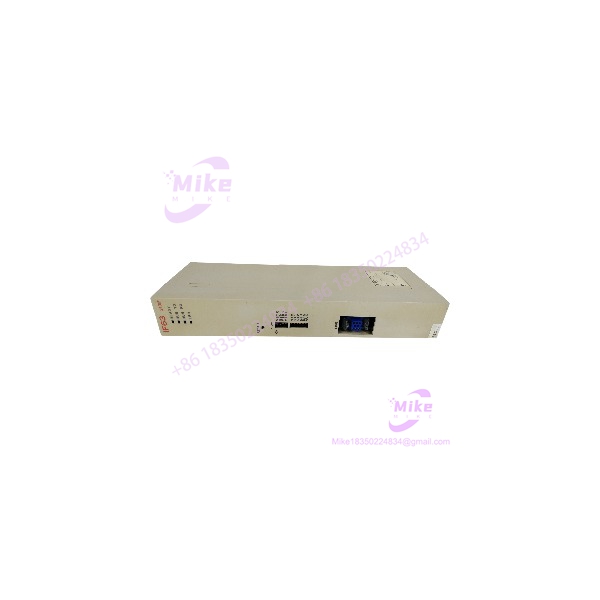
JAMSC-1F63V
Key Technical Specifications
- Model Number: JAMSC-1F63V
- Manufacturer: Yaskawa
- Product Type: Legacy industrial control module; exact OEM classification requires confirmation
- Reported Function: Servo/vector-control application
- Control Modes: Position, speed, or torque control are mentioned in secondary material; exact model support is unverified
- Rated Output: Not independently confirmed for this exact model
- Rated Current: Not independently confirmed for this exact model
- Input Voltage: Not verified against a model-specific OEM datasheet
- Communication Interface: Not confirmed
- Feedback Interface: Not confirmed
- Mounting/Backplane: Verify against the installed system
- Firmware/Hardware Revision: Record from the physical unit
- Environmental Ratings: Not verified for this exact model
- Replacement Compatibility: Requires confirmation against the original part and system documentation
Specification note: One secondary listing combines 600 W servo-related figures with a separate 0.1–3.0 kW vector-drive description. These values should not be represented as a single verified JAMSC-1F63V rating without an OEM document tying them to this exact part number.
Global Sourcing & Live-Test SOP
For this legacy Yaskawa component, a credible inspection report should establish both the unit’s identity and the limits of the test performed.
1. Inbound Verification
- Photograph the full nameplate and all part-number labels.
- Confirm JAMSC-1F63V exactly; do not accept a visually similar model as equivalent.
- Record serial number, revision, and any additional OEM identification codes.
- Photograph the front, rear, connectors, terminals, and mounting features.
- Inspect for corrosion, cracked housings, damaged pins, contamination, or prior repair.
- Compare the physical unit with the customer’s installed component.
- Retain supplier documentation and traceability records where available.
2. Electrical and Physical Inspection
- Identify the correct system and electrical interface before applying power.
- Inspect connectors and terminal blocks for damage or oxidation.
- Check for loose components, heat discoloration, or damaged PCB areas where visible.
- Do not infer voltage, current, or terminal assignments from another Yaskawa model.
- Avoid insulation testing through connected electronic circuitry.
- Record any discrepancy between the nameplate and supplier description.
3. Controlled Functional Test
A meaningful powered test requires the correct Yaskawa platform and documented test procedure.
- Confirm the applicable controller/drive hardware and connection scheme.
- Verify supply requirements from the OEM documentation for the exact unit.
- Check startup behavior and diagnostic indicators.
- Confirm module recognition by the compatible system.
- Test control or feedback functions only when the appropriate setup is available.
- Record alarms, fault codes, test equipment, and test conditions.
A visual inspection or basic power-up is not equivalent to a full functional or load test.
4. Extended Run and Diagnostic Record
If the correct test platform is available, conduct an extended run under controlled conditions.
Monitor:
- Startup and diagnostic stability
- Unexpected resets or fault conditions
- Communication or system-recognition errors
- Abnormal temperature
- Intermittent operation
Record the test duration, system configuration, observed behavior, and limitations. Do not claim a 24-hour heat run or full-load validation unless it was actually completed and documented.
5. Final Preparation and Shipment
- Photograph the actual unit being shipped.
- Record the part number, serial number, and revision.
- Protect connectors, terminals, and exposed electronics.
- Use ESD-safe packaging where appropriate.
- Include the available test report and condition statement.
- State warranty terms explicitly; do not imply OEM warranty or certification without supporting documentation.
Field Engineer’s Pitfall Guide
❗ Do not rely on conflicting electrical specifications
Secondary listings contain mixed servo and vector-drive figures. Do not use those values to size a power supply, select a drive, or commission the . Confirm the electrical ratings from the correct OEM manual or unit-specific documentation.
❗ Confirm the controller family and physical interface
The JAMSC prefix alone does not prove compatibility with a particular Yaskawa backplane, controller, or drive. Verify the original system model, connector arrangement, mounting, and hardware revision before substitution.
❗ A supplier’s “servo/vector module” description is not proof of drop-in compatibility
The reported function is not enough to establish that this part will replace another Yaskawa module. Match the full part number and system configuration, and obtain confirmation of the required firmware or setup procedure before installation.
Intent-Driven FAQ
What is the Yaskawa ?
Secondary supplier records describe it as a Yaskawa servo/vector-control module. Its exact OEM classification and system role should be confirmed against the physical nameplate and applicable Yaskawa documentation.
What are the electrical ratings of the ?
A dependable, model-specific OEM rating set has not been established from the available references. Confirm voltage, current, and output ratings before connecting or commissioning the unit.
Is the a PLC module or a servo module?
Supplier descriptions are not fully consistent. Treat it as a legacy Yaskawa control component until the exact OEM classification is verified from the label or technical manual.
Can the replace another Yaskawa module?
Only after confirming the full part number, controller/drive platform, physical interface, and applicable revision. Similar branding or a related control function does not establish interchangeability.
Is the obsolete?
It appears to be a legacy component encountered through secondary industrial-supply channels. Confirm current OEM support and actual inventory status directly with Yaskawa or the supplier. Yaskawa provides product and discontinued-model information through its official channels.
What should I request before purchasing a used ?
Request actual-unit photographs, a clear nameplate image, serial and revision details, confirmation of the intended system, condition disclosure, documented test scope, and written warranty terms.
Does a powered-up unit qualify as tested?
Not necessarily. A power-up confirms only limited behavior under the test conditions. System recognition, functional operation, and application-level compatibility require the correct equipment and documented procedure.
Bottom Line for Buyers
The should be sourced as an exact-part-number legacy control spare. Public secondary descriptions suggest a servo/vector-control role, but the available evidence does not establish a complete, reliable OEM specification set.
Before approving a replacement, match the physical unit and system configuration, verify electrical requirements from the applicable OEM documentation, and request a test report that states exactly what was checked. If those details remain unavailable, list or purchase it as an unverified legacy spare, not a guaranteed drop-in replacement.