


Description
Siemens / Moore 16413-1-05 | APACS MNET Interface Module Core Category
Dynamic Product Introduction
Integrating legacy control network nodes requires robust hardware interfaces capable of handling deterministic data streams without packet dropouts. The Siemens / Moore 16413-1-05 operates as a specialized MNI/MBI interface module engineered to manage high-speed communication loops within APACS MNET architectures. Unlike standard commercial network adapters that degrade under heavy plant electromagnetic interference, this industrial-grade processor adapter is built to maintain reliable data routing across complex automation tiers.
Stepping past obsolete hardware revisions, this module guarantees form-fit compatibility with legacy Moore-engineered control racks. Field service history confirms that dropping in a verified replacement interface card restores proper network handshakes and eliminates intermittent node dropouts in continuous process environments.
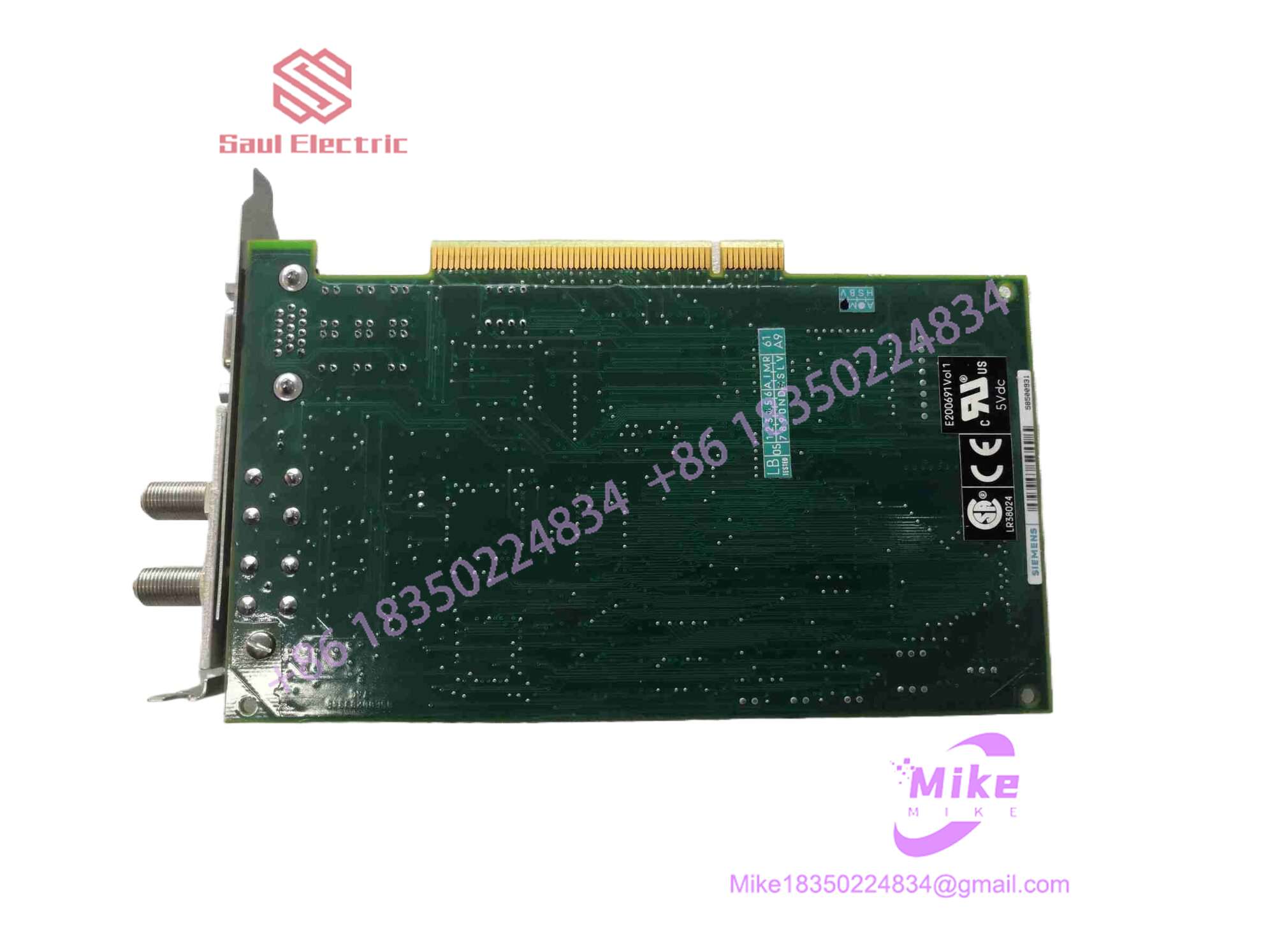
16413-1-05
Key Technical Specifications
- Module Architecture: MNI/MBI Processor Adapter & Interface Circuitry
- Protocol Compatibility: Siemens APACS MNET network standard
- Data Transfer Rate: Up to 1 Mbps
- Connectivity: RS-485 / RS-232 serial interface support
- Power Supply Requirements: DC 24V nominal auxiliary feed
- Operating Temperature Range: -20^\circC to +60^\circC industrial ambient tolerance
- Humidity Tolerance: Up to 95% non-condensing
- Enclosure Protection: IP20 modular industrial rack profile
- Dimensions: Approximately 152 \times 100 \times 35 mm
- Weight: ~0.5 kg (1.1 lbs)
Global Sourcing & Live-Test SOP (Transparency Core)
Deploying legacy communication hardware on active industrial automation loops requires a strict multi-point verification workflow to ensure zero packet loss.
- Inbound Verification: Incoming modules are audited against original Moore/Siemens manufacturing lots. Edge connectors, pins, and solder traces are inspected under optical magnification for micro-corrosion or pin bending.
- Live Simulation: The interface card is installed in a dedicated APACS MNET test rack powered by a regulated 24V DC source, tied to active communication loops simulating network chatter.
- Diagnostics: Technicians verify baud rate synchronization, packet error rates, and handshake stability across a 24-hour thermal soak cycle under continuous power load.
- Final Prep: Once data transmission logs clear baseline standards, edge fingers are cleaned with contact enhancer, and the unit is sealed inside an anti-static moisture-barrier bag.
The Field Engineer’s Pitfall Guide
❗ Hot-Plugging the Module Into an Energized Rack: Inserting or extracting the 16413-1-05 card while the backplane bus is live can inject destructive voltage transients, instantly frying sensitive communication transceiver ICs. (I’ve seen technicians ruin replacement cards instantly by skipping chassis power-down steps.) Always cut rack power before handling modules.
❗ Unshielded Serial Communication Cabling: Running RS-485/RS-232 lines alongside high-voltage motor feeds without continuous shielded twisted-pair grounding induces massive common-mode noise, causing erratic network packet failures. Always terminate shields strictly at the designated cabinet ground stud.
❗ Ignoring Termination Resistor Requirements: Failing to verify proper line termination resistance at the ends of the APACS MNET bus segment will cause signal reflections and data collision errors. Always check network dip switches or physical resistors during installation.
Intent-Driven FAQ
Will swapping this 16413-1-05 module require reconfiguration of the control network?
Because the module serves as a hardware interface adapter within the APACS architecture, direct form-fit replacements usually inherit existing network parameters, though node address settings and jumpers must match the original unit exactly.
Can this interface card be replaced while the plant process is running?
Hot-swapping network interface cards on active control backplanes risks dropping communication to connected nodes and can trigger controller fault states. It is strongly recommended to take the affected loop offline before servicing.
What causes the module to drop off the APACS MNET network intermittently?
Network drops typically point to loose backplane seating, degraded serial cable shielding, or unstable 24V supply rails. Reseating the card and inspecting terminal block torque usually resolves transient communication faults.
Is the 16413-1-05 compatible with modern Ethernet-based DCS platforms?
No. This module is specifically tailored for legacy APACS MNET serial-based network frameworks and requires gateway hardware if bridging to modern Ethernet infrastructures.
What kind of warranty accompanies surplus or refurbished units?
Reputable industrial suppliers typically back tested surplus or refurbished automation components with a standard 1-to-2 year replacement warranty, supported by a bench test report confirming communication port health.





