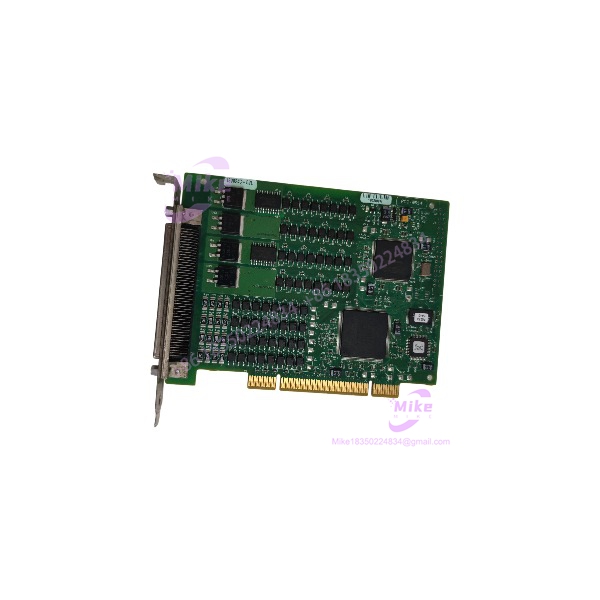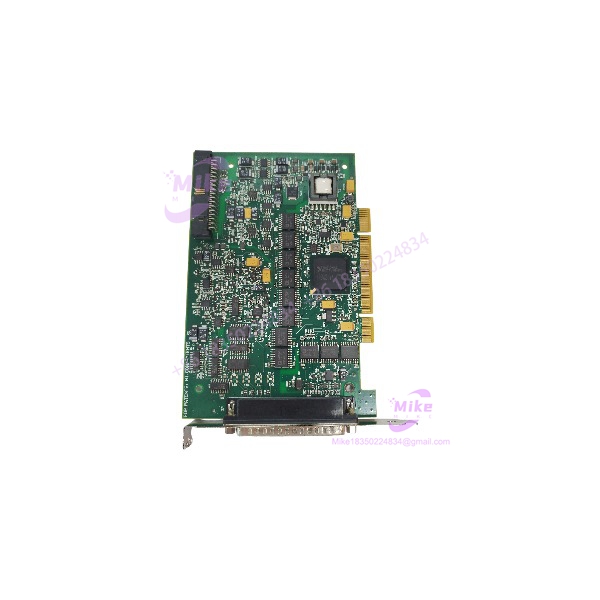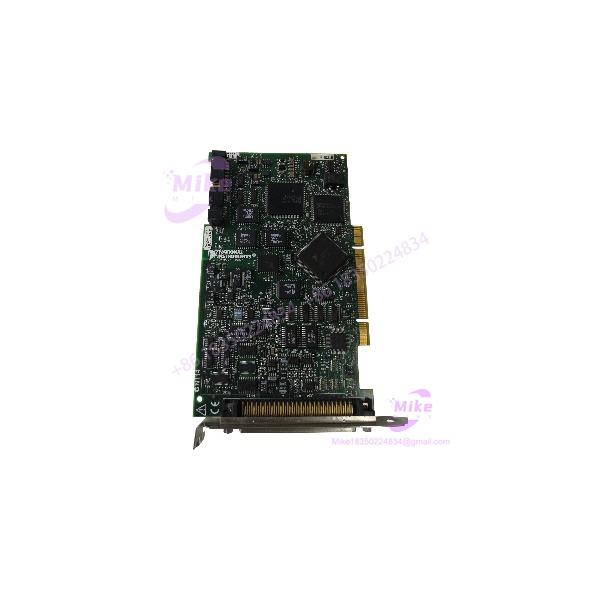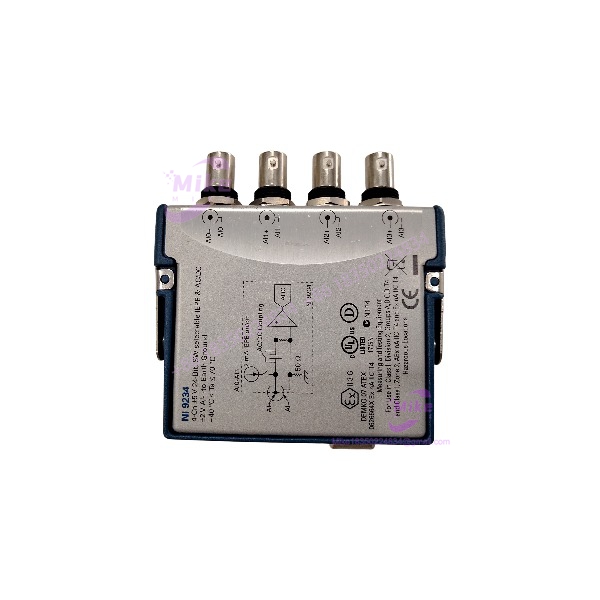

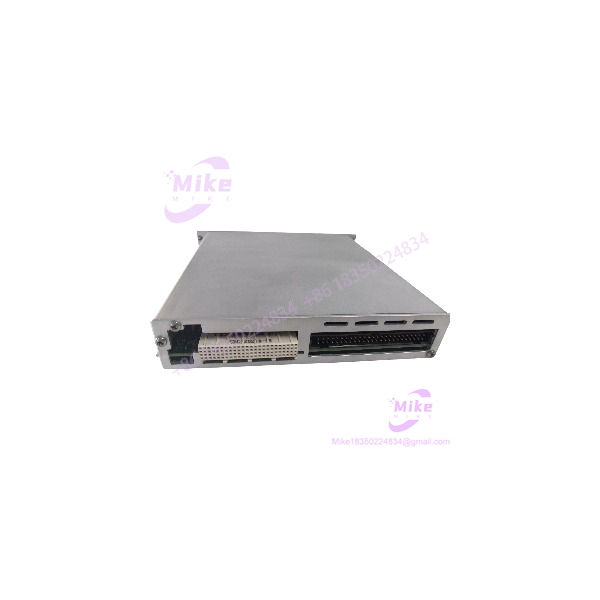
Description
National Instruments SCXI-1120D | 8-Channel Isolated Input Core Category
Dynamic Product Introduction
Field engineers know how quickly a high-voltage test stand or motor drive validation cell can fail when ground loops or high common-mode voltage spikes burn out unisolated DAQ channels. Honestly, trying to upgrade an established isolation amplifier setup to modern PXIe or C-Series hardware mid-project introduces massive re-cabling expenses, custom bracket retrofits, and software framework rewrites that project managers simply cannot accept. The National Instruments SCXI-1120D resolves this critical hardware vulnerability by serving as a direct drop-in replacement that preserves existing SCXI chassis slot configurations, field wiring harnesses, and NI-DAQmx tasks.
Engineered specifically for high-speed dynamic signal monitoring in high-voltage industrial environments, this SCXI-1120D module features 8 independently isolated differential channels equipped with 22.5 kHz low-pass filters. In automotive testing, power electronics validation, and industrial sensor data acquisition, replacing a damaged or drifting card with a bench-tested SCXI-1120D restores clean channel-to-channel isolation and dynamic signal fidelity instantly—provided you mirror original hardware gain jumper configurations prior to slot installation.
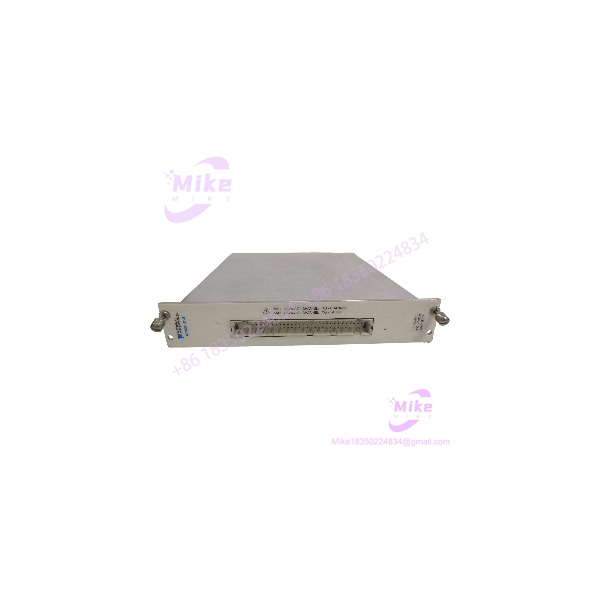
SCXI-1120D
Key Technical Specifications
- Input Channels: 8 individually channel-to-channel galvanically isolated analog inputs
- Isolation Rating: 250 V RMS continuous channel-to-channel and channel-to-earth ground isolation
- Filter Cutoff Frequency: Fixed 22.5 kHz 4-pole low-pass Butterworth filter per channel (D-suffix high-speed variant)
- Programmable Gain Range: Independent jumper-selectable gains of 1, 2, 5, 10, 20, 50, 100, 200, 500, 1000, and 2000
- Common-Mode Rejection Ratio (CMRR): 160 dB at gain = 1000 (60 Hz)
- Supported Signal Types: Millivolt, high-common-mode voltage (up to ±250V), thermocouples, and strain gauges (with accessory terminal blocks)
- Terminal Block Compatibility: SCXI-1320 (High Voltage), SCXI-1327, SCXI-1328 (Isothermal CJC)
- Power Requirements: Powered directly from SCXI chassis backplane (+5 VDC and ±15 VDC power rails)
- Operating Temperature Window: 0°C to +50°C ambient operational environment
Global Sourcing & Live-Test SOP (Transparency Core)
Sourcing discontinued or secondary-market NI DAQ hardware demands a strict zero-trust quality verification methodology. Inbound shipments of the SCXI-1120D undergo thorough customs documentation audits, serial number checks, and microscopic pin inspections to detect bent backplane DIN connectors, trace swelling, or heat-stressed passive isolation components.
Once logged into inventory, every SCXI-1120D module transitions directly to our specialized DAQ diagnostic test rig. Technicians seat the card into an SCXI-1000 chassis paired with an SCXI-1320 terminal block and a PXI/PCI DAQ controller. We execute a 24-hour thermal soak while scanning all 8 channels with precision AC/DC voltage calibrators while applying 250 V RMS common-mode isolation potentials. Frequency response curves at the 22.5 kHz cutoff point, gain accuracy across all jumper settings, and channel-to-channel rejection are fully verified before sealing the SCXI-1120D in anti-static ESD packaging prior to dispatch.
The Field Engineer’s Pitfall Guide
❗ Gain Jumper Mismatches Between Stages: Setting stage-1 and stage-2 gain jumpers inconsistently across individual channels on the SCXI-1120D PCB will cause unexpected signal saturation or incorrect scaling in NI-DAQmx. Always verify that physical jumper blocks match your target gain multiplication factor before inserting the card into the chassis.
❗ Mistaking SCXI-1120D for Low-Frequency Variants: Installing the SCXI-1120D (22.5 kHz bandwidth) in place of a standard SCXI-1120 (4 Hz filter) on a noisy DC thermocouple line will allow high-frequency switching noise into your data logs. Ensure your signal band matches the 22.5 kHz cutoff rating of the ‘D’ variant.
❗ Hot-Plugging Module into an Energized Chassis: Inserting or unseating the SCXI-1120D while the SCXI chassis backplane is energized can induce voltage transients, potentially damaging onboard isolation transformers or corrupting active DAQmx driver sessions.
Intent-Driven FAQ
Will I need to re-program my NI-DAQmx code when replacing an SCXI-1120D module? No, because the SCXI-1120D contains an onboard EEPROM, NI-DAQmx automatically detects the module in its assigned chassis slot and maintains existing channel scaling parameters.
What is the main difference between the SCXI-1120 and the SCXI-1120D? The standard SCXI-1120 features a 4 Hz low-pass filter designed for slow-moving temperature signals, whereas the SCXI-1120D features a 22.5 kHz low-pass filter designed for dynamic voltage, vibration, and acoustic measurements.
Are surplus National Instruments SCXI-1120D modules supplied in original factory packaging? Inventory conditions range from brand-new old stock (NOS) in original NI boxes to certified pre-owned surplus. Regardless of outer packaging condition, every SCXI-1120D module undergoes a complete 8-channel bench calibration and 250V isolation test before dispatch.
What causes unexpected signal clipping or saturation on an SCXI-1120D channel? Saturation typically occurs when the input signal multiplied by the hardware gain setting exceeds the ±10V output limits of the internal amplifier stage, or when hardware jumper gain settings contradict software channel scaling.
What warranty coverage applies to a replacement SCXI-1120D module? Our secondary-market and surplus National Instruments SCXI-1120D modules include a comprehensive 12-month operational warranty covering channel isolation, gain accuracy, 22.5 kHz filter response, and backplane bus stability under standard operating conditions.