Description
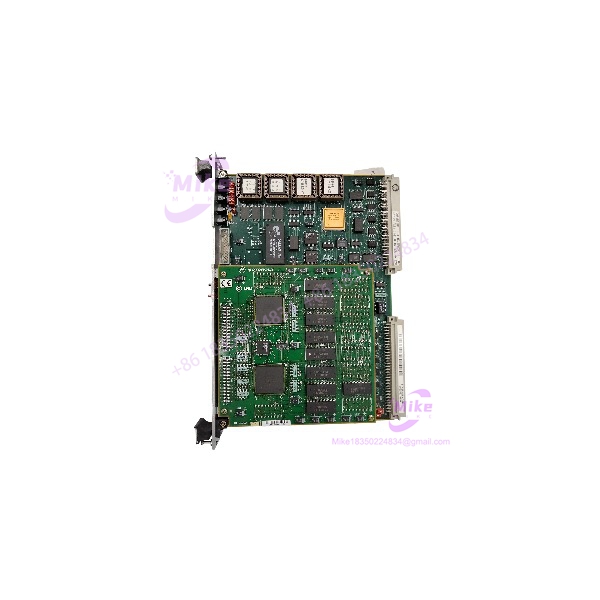
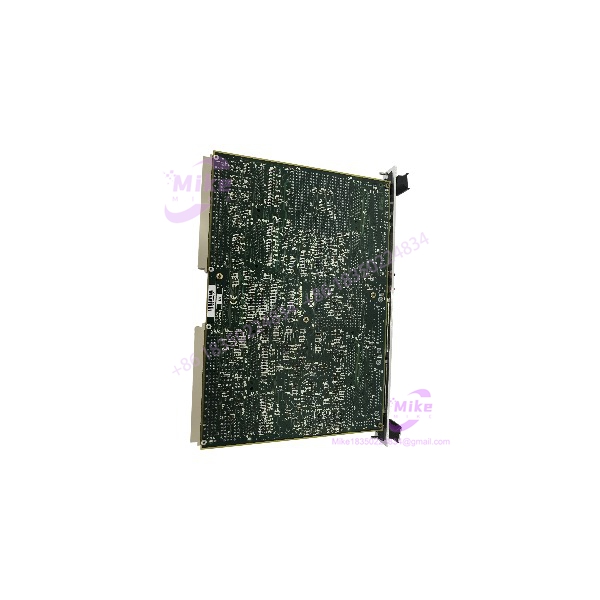
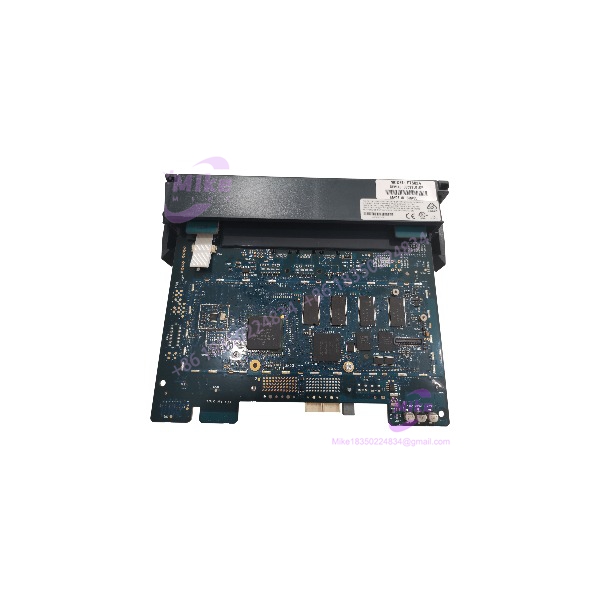
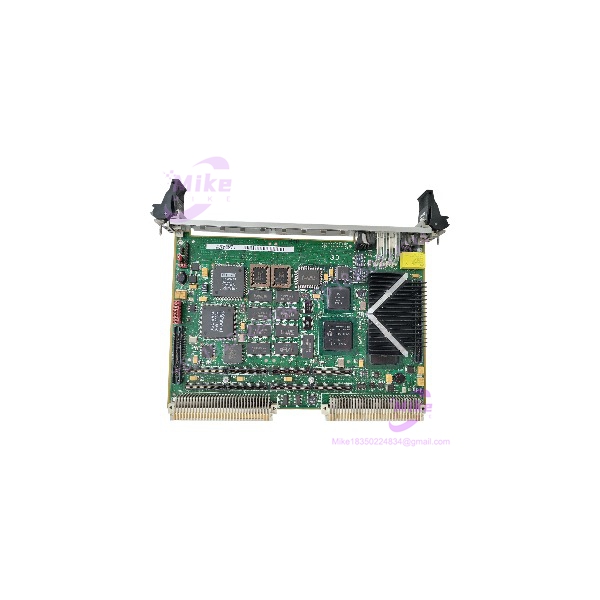
Motorola MVME2301 | VMEbus PowerPC Single Board Computer
Dynamic Product Introduction
Burdened by persistent bus timeouts or unexpected memory parity faults on an aging industrial control rack? When legacy embedded hardware hits end-of-life, finding a drop-in replacement that respects existing software configurations prevents costly multi-week system redesigns. The MVME2301 single board computer provides a dependable, high-performance PowerPC platform tailored for continuous-duty industrial automation environments. Driven by the energy-efficient MPC603e processor architecture, this module delivers reliable real-time execution while maintaining strict register and bus compatibility with established VMEbus setups.
Installing a verified, bench-tested MVME2301 eliminates the thermal fatigue and component drift inherent in boards that have operated continuously for decades. It restores deterministic timing loops and ensures seamless communication with existing backplane slaves and I/O modules without requiring application code rewrites.
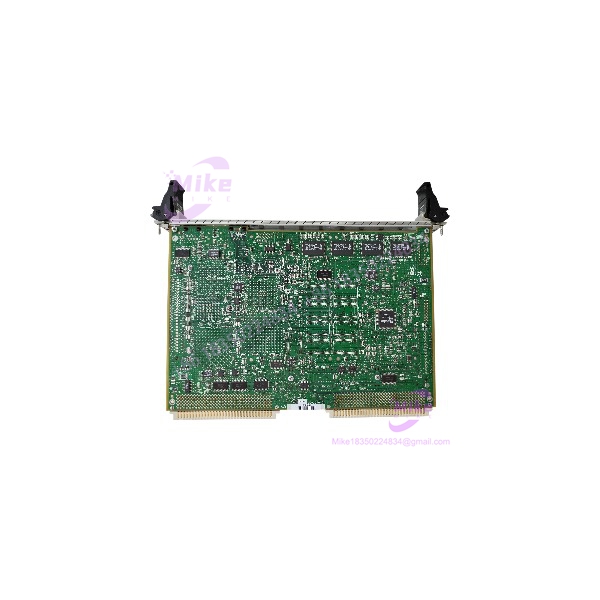
MVME2301
Key Technical Specifications
- Processor Architecture: PowerPC 603e RISC microprocessor core
- Clock Frequency: High-performance internal clock variant (model-dependent up to 300 MHz class)
- On-Board Memory: High-density DRAM with Error Correction Code (ECC) protection
- Bus Architecture: VMEbus IEEE 1014-1987 compliant (Master/Slave interface capabilities)
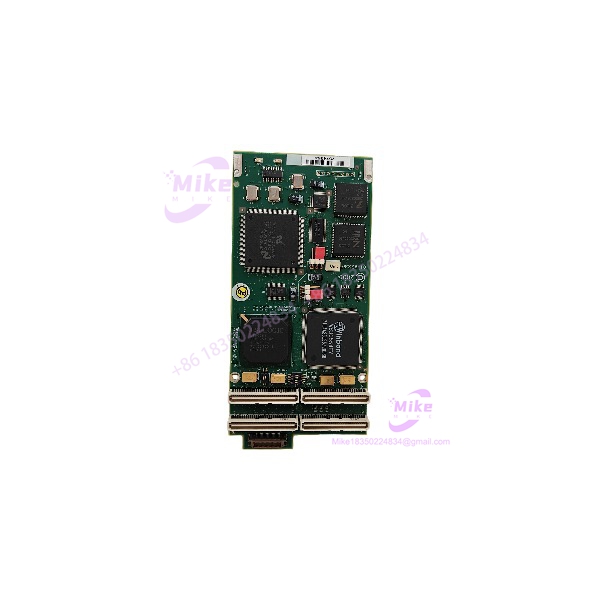
- Expansion Slot: Single PMC (PCI Mezzanine Card) site for modular I/O expansion
- Storage Interfaces: Integrated SCSI controller interface for local mass storage
- Network / Communications: On-board Ethernet controller and dual asynchronous serial ports
- Form Factor: Standard 6U VMEbus form factor (Single-slot double-Eurocard layout)
- Power Requirements: +5V and +3.3V DC primary system backplane power rails
- Operating Temperature Range: 0°C to +55°C (32°F to 131°F) with mandatory chassis airflow
Global Sourcing & Live-Test SOP (Transparency Core)
Procuring legacy hardware like the MVME2301 requires rigorous inspection and testing protocols to ensure flawless reliability on active plant floors.
Inbound Verification
Incoming MVME2301 units undergo thorough optical screening under magnification to check PCB trace integrity, solder joint quality, and component stampings against original factory baselines. Supply chains and serial histories are audited to prevent counterfeit or improperly reworked components from entering stock.
Live Simulation
Every board is mounted in a powered, temperature-stabilized 6U VMEbus test rack equipped with active system controllers and backplane load simulators to replicate harsh industrial cabinet conditions.
Diagnostics
Testing begins with extensive memory pattern execution across the onboard ECC DRAM. We verify local PCI bus arbitration, test data packet throughput on the Ethernet adapter, validate SCSI communication loops, and check signal integrity on all serial ports. Units undergo a mandatory 24-hour thermal burn-in while monitoring voltage stability on the primary rails using calibrated Fluke multimeters.
Final Prep
Once diagnostics pass completely, volatile configuration states are cleared, protective coatings are verified, and the board is sealed in heavy-duty ESD-shielding bags with moisture-barrier protection.
The Field Engineer’s Pitfall Guide
❗ VMEbus System Controller Jumper Conflicts: Before sliding the MVME2301 into the rack, double-check your jumper blocks for system controller assignment. If both your replacement CPU and another active slot attempt to assert system controller duties simultaneously, the bus will lock up immediately upon power-up.
❗ Backplane Power Rail Droop: Verify that your chassis power supply can handle the startup load on the +3.3V and +5V rails. I’ve seen technicians troubleshoot phantom reset loops on an MVME2301 for hours, only to discover that aging power supply capacitors were sagging under initial processor draw.
❗ PMC Module Physical Clearance Issues: When utilizing the onboard PMC expansion site, ensure your daughter card standoffs and bezel configurations match proper 6U spacing clearances. Forcing a misaligned PMC card can flex the main printed circuit board and fracture internal micro-traces.
Intent-Driven FAQ
Will replacing the MVME2301 erase my application software or operating system?
The operating system and boot parameters reside in non-volatile flash memory or external boot devices. However, you should always verify jumper settings and back up non-volatile configuration parameters before performing the hardware swap.
Can I hot-swap the MVME2301 in a powered VME chassis?
No. Standard VMEbus architectures do not support live hot-swapping for processor boards. Always power down the complete rack and allow residual capacitance to bleed off before inserting or removing the MVME2301.
What causes a continuous reset loop immediately after powering on the MVME2301?
Continuous resetting is typically caused by a watchdog timeout, insufficient voltage on the backplane power rails, or an unconfigured system controller jumper block. Check your power supply output under load using a digital multimeter.
Are these replacement boards brand new or refurbished?
Because the manufacturer has discontinued production, available units consist of fully tested, reconditioned surplus stock or verified working pulls backed by rigorous bench diagnostics.
What kind of warranty covers a surplus MVME2301 purchase?
Reputable industrial automation suppliers provide comprehensive warranty coverage—typically one year—supported by complete documentation of individual board-level testing.