Description
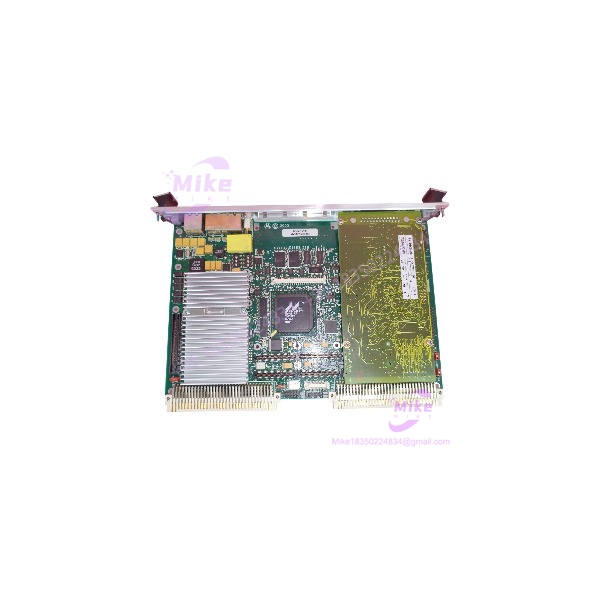
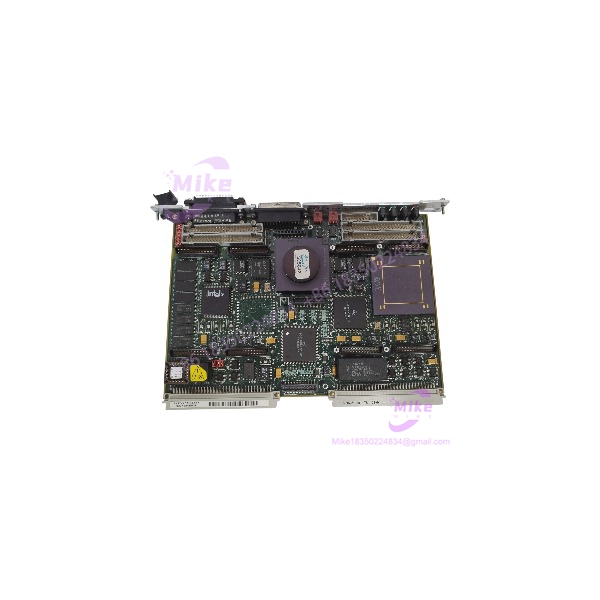
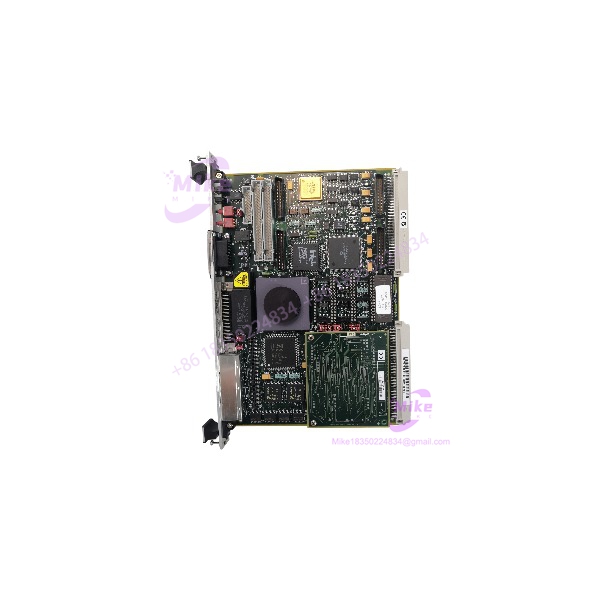
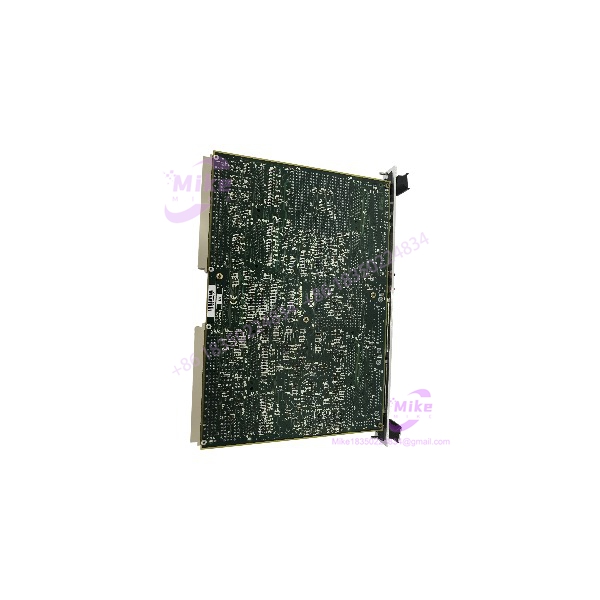
Motorola MVME187 | VMEbus Single Board Computer New In Stock
Architect’s Product Breakdown
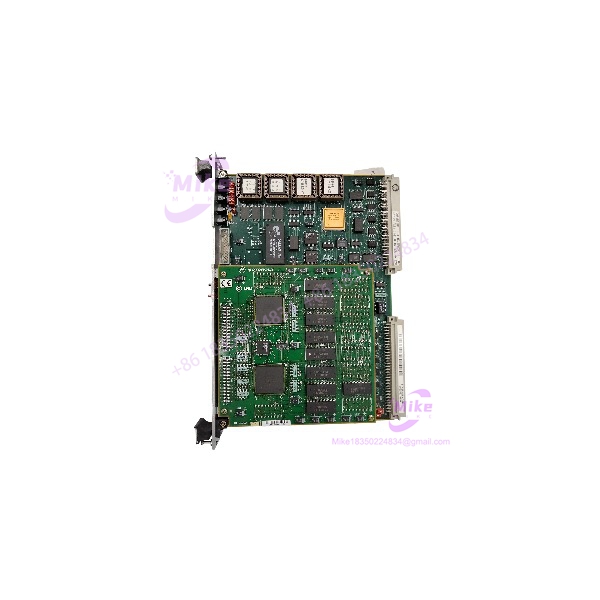
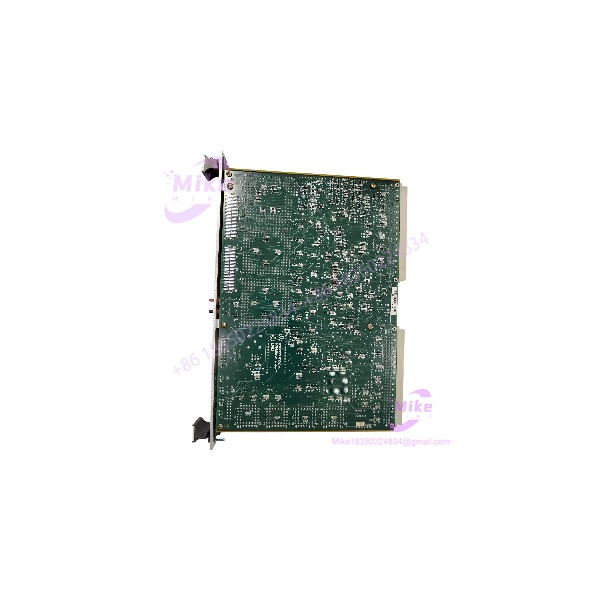
The Motorola MVME187 is an advanced RISC-based single-board computer engineered for high-throughput VMEbus industrial automation and telecommunication environments. Powered by the Motorola 88000 processor family, this module delivers rapid instruction execution, hardware memory management, and robust bus arbitration across the backplane chassis.
Deploying this hardware requires meticulous configuration of onboard jumper blocks and cache settings for base memory mapping, interrupt request levels, and serial communication parameters. Because these RISC-based embedded systems operate under continuous thermal and electrical loads, ensuring proper cabinet ventilation and verifying strict adherence to rack power distribution are mandatory to prevent premature component failure.
Utilizing the MVME187 enables maintenance teams to sustain legacy high-performance VME infrastructures efficiently, avoiding the significant downtime and expensive software rewrites associated with complete system platform migrations.
MVME187
Key Technical Specifications
| Technical Parameter | Specification Detail |
| Part Number | MVME187 |
| Manufacturer | Motorola / VMEbus Platforms |
| Processor Architecture | Motorola MC88100 RISC Microprocessor with MC88200 CMMU |
| Bus Interface | VMEbus Standard Compliant (System Controller capable) |
| Memory Configuration | Onboard DRAM and flash/ROM sockets for firmware storage |
| Communication Ports | Serial communication channels for console and device management |
| Operating Temperature | 0°C to 55°C (32°F to 131°F) |
| Form Factor | Standard VMEbus single-height circuit card |
Field Engineer’s Pitfall Guide
- WARNING: Electrostatic Discharge Vulnerability. The high-density surface-mount components and RISC cache chips on this CPU board are extremely sensitive to static electricity. Always utilize an ESD-safe grounded wrist strap during handling.
- WARNING: Base Address and Interrupt Conflicts. Replacing a failed board without matching the exact jumper configurations for memory mapping and interrupt levels will cause immediate bus collisions and system faults.
- WARNING: Firmware/Flash Corruption. Interrupted power cycles during flash memory writes or using incorrect programming routines can render the boot sector unreadable.
Field Anecdote: During an emergency service window on a heavy processing controller, a technician swapped an ailing MVME187 with a warehouse spare without verifying the onboard jumper blocks. The replacement card booted up but immediately generated a bus timeout error because the base memory address jumpers were set to factory default rather than the custom offset required by their legacy I/O mapping. Aligning the jumpers cleared the fault instantly.
QA & Testing SOP (Transparency)
- Visual & Origin Inspection: Inspected under optical magnification for PCB trace continuity, clean solder joints, and verified against OEM serial tracking databases.
- Live Test Bench Environment: Inserted into a calibrated VMEbus test chassis to verify regulated power supply rails and stable clock frequencies.
- Diagnostics & Handshake Verification: Technicians execute comprehensive memory diagnostic routines and serial loopback tests to confirm error-free instruction processing.
- Configuration & Packaging: Test routines are cleared, connector pins are protected, and units are sealed inside multi-layer anti-static shielding bags.
Technical FAQ
Can I hot-swap this single-board computer while the VME chassis is powered on?
No. VMEbus architectures do not support live hot-swapping. Inserting or removing the MVME187 while the rack is energized will cause electrical arcing and permanent damage to backplane bus drivers.
How are the system firmware and boot loader initialized?
Boot firmware and low-level initialization routines are stored on onboard flash memory or physical ROM/EPROM devices accessible to the processor during power-up.
Does the module require an external battery for parameter retention?
Certain system configurations utilize an onboard lithium battery or external backup circuit to maintain volatile static RAM settings and real-time clock data during power outages.