Description
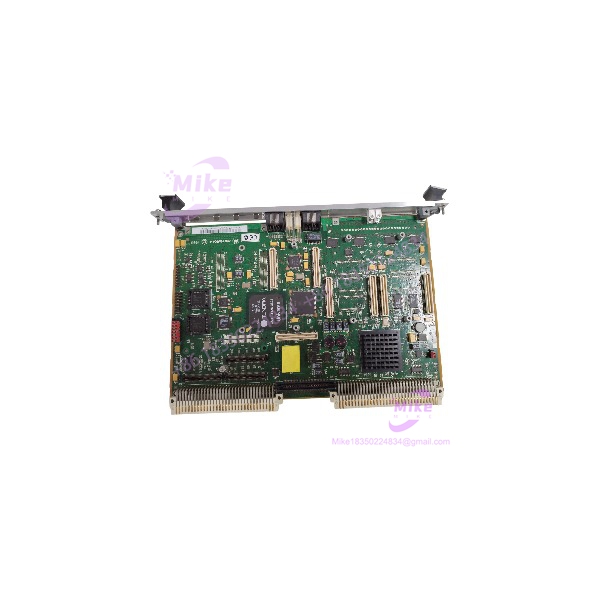
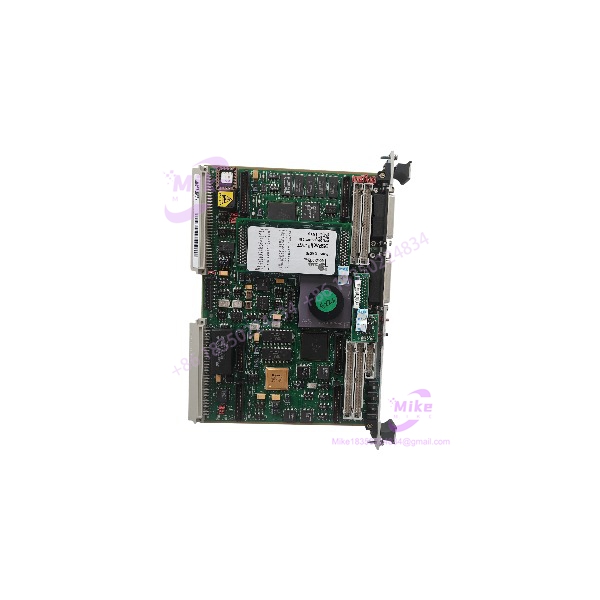
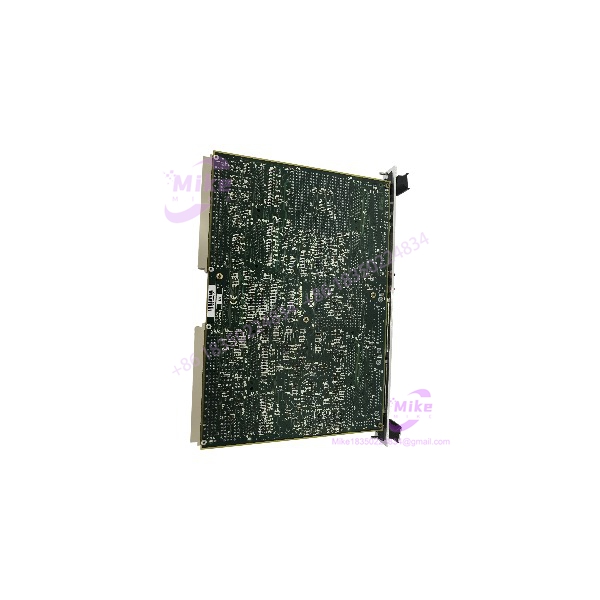
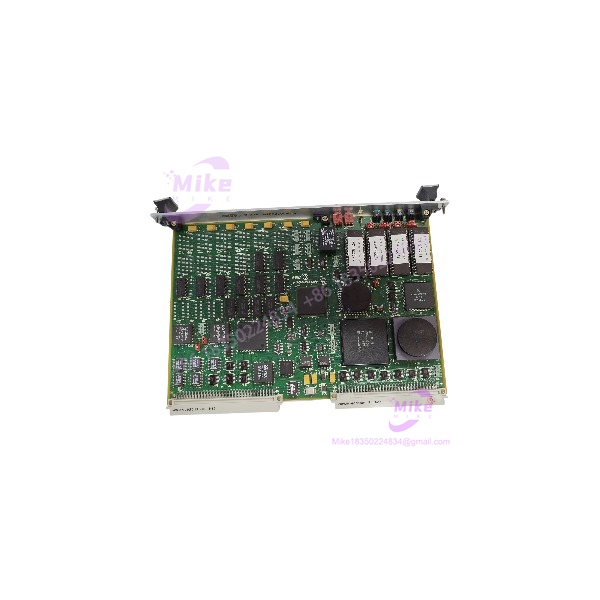
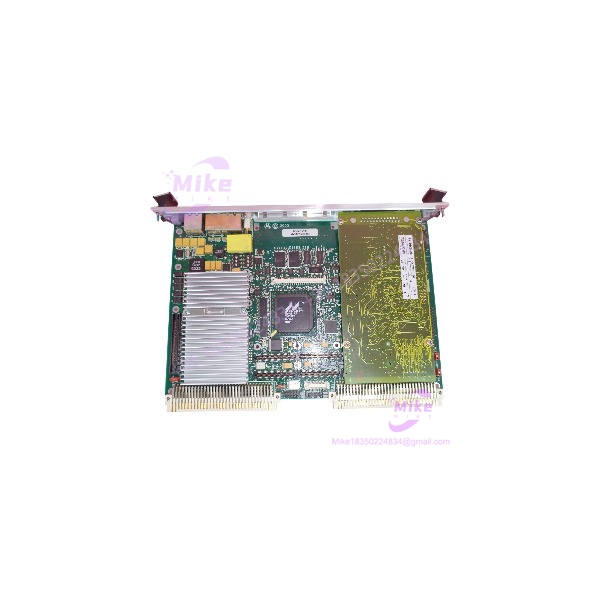
Motorola MVME550-163 | VMEbus PowerPC Single Board Computer
Dynamic Product Introduction
Faced with stalled boot sequences or intermittent bus arbitration halts on critical VME racks? When an aging controller gives out in a high-throughput industrial control loop, scrambling for an unverified replacement often introduces more downtime than the initial hardware crash. The MVME550-163 single board computer provides a high-reliability upgrade path for legacy architectures requiring robust PowerPC computing performance without rewriting foundational application code. Built around the high-speed MPC750 architecture, this module brings substantial processing muscle to demanding real-time environments where deterministic execution is non-negotiable.
Deploying a fully tested MVME550-163 bypasses the thermal degradation and electrolytic capacitor dry-out common in boards that have run continuously for decades. Integrating this unit stabilizes execution cycles, preserves exact register mappings, and maintains full compatibility with existing PMC daughter cards and backplane slot assignments. It offers an effective bridge between maintaining legacy infrastructure and avoiding a disruptive complete system redesign.
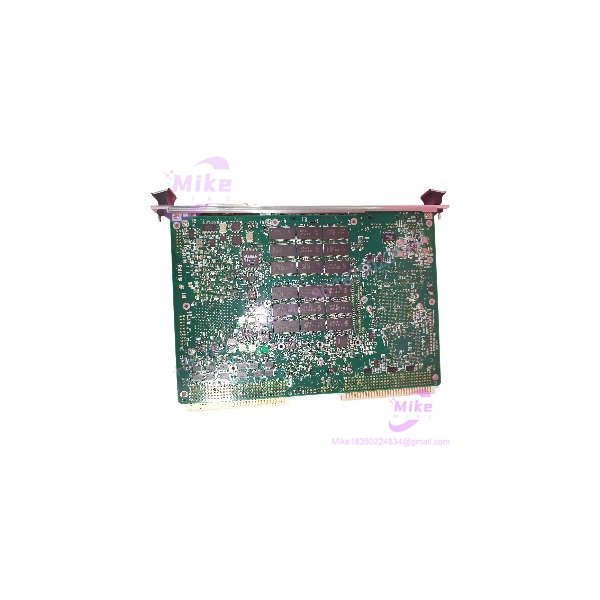
MVME550-163
Key Technical Specifications
- Processor Architecture: PowerPC MPC750 RISC microprocessor
- Clock Frequency: High-speed internal core clock (model variant dependent)
- On-Board Memory: High-density SDRAM with Error Correction Code (ECC)
- Bus Architecture: VMEbus IEEE 1014-1987 compliant (VME64/VME64x backplane compatibility)
- Expansion Slots: Dual PMC (PCI Mezzanine Card) sites for custom I/O integration
- Network Interfaces: Integrated Ethernet controllers (RJ-45 and front/rear access points)
- Serial Communications: Asynchronous serial ports for console and debugging
- Form Factor: Standard 6U VMEbus form factor (Double-Eurocard layout)
- Power Requirements: +5V and +3.3V DC primary system backplane power rails
- Operating Temperature Range: 0°C to +55°C (32°F to 131°F) with mandatory chassis airflow
Global Sourcing & Live-Test SOP (Transparency Core)
Sourcing vintage and surplus computing hardware demands strict adherence to physical and electrical validation protocols.
Inbound Verification
Incoming MVME550-163 units undergo thorough optical screening to check PCB traces, solder joint integrity, and component markings against original factory specifications. We trace lot numbers and verify vendor history to eliminate unverified or counterfeit stock from the supply stream.
Live Simulation
Every board is mounted in a powered, temperature-stabilized 6U VMEbus test rack equipped with active system controllers and dummy load modules to simulate real industrial chassis conditions.
Diagnostics
Testing kicks off with complete memory subsystem write-read loops to check every sector of the onboard ECC SDRAM. We validate local PCI bus arbitration, verify data packet transfer over the Ethernet ports, and run full communication sweeps across the serial links. Engineers monitor primary power rails with Fluke multimeters during a mandatory 24-hour thermal soak to catch intermittent component failures before dispatch.
Final Prep
Once diagnostics clear, the board is cleared of volatile configurations, treated with anti-corrosion steps where necessary, and sealed in thick ESD-protective shielding with moisture-barrier packaging.
The Field Engineer’s Pitfall Guide
❗ VME64x Backplane Power Rail Mismatches: Verify that your backplane supplies adequate current on the +3.3V rail. While older VME racks relied almost exclusively on +5V, the MVME550-163 draws substantial power from the +3.3V plane to drive its advanced PowerPC core. I’ve seen technicians drop a new CPU into an un-updated chassis, only to watch the logic rails collapse instantly under initial processor draw.
❗ PMC Module Physical Clearance Issues: When stacking mezzanine cards onto the dual PMC sites, double-check standoff heights and rear panel cutouts. Forcing an MVME550-163 into a slot with poorly seated or oversized PMC daughter cards can bend the main printed circuit board, fracturing internal micro-traces and destroying the slot connection.
❗ VMEbus Geographical Addressing (GA) Switch Oversights: Do not overlook the geographical addressing jumpers or switch settings on the back edge of the board. Neglecting to match the slot identification pins can cause bus arbitration collisions where multiple cards attempt to claim system controller priority simultaneously.
Intent-Driven FAQ
Will swapping out the erase my operating system image or boot parameters?
The operating system and boot ROM parameters reside on separate flash or non-volatile memory devices. However, if your specific configuration relies on onboard battery-backed NVRAM for system variables, you must verify the backup battery voltage before installation to prevent losing custom network configurations.
Is it safe to hot-swap the in a live VMEbus chassis?
No. VMEbus architectures lack native hot-swap electrical sequencing for primary processor boards. Always power down the entire rack and discharge residual capacitive loads before inserting or extracting the .
What causes a sudden bus timeout error immediately after installing the ?
Bus timeouts usually point to an incorrect VME bus master setting, unconfigured address modifier jumpers, or a failing backplane terminator. Check your system controller jumper block against your cabinet schematic.
Are these units brand new or refurbished?
Most available units are fully reconditioned, factory-tested surplus stock. Because the original manufacturer has discontinued production, these boards undergo rigorous diagnostic bench testing to ensure zero-hour reliability.
What kind of warranty accompanies a surplus purchase?
Reputable industrial suppliers provide comprehensive warranty coverage—typically spanning one year—backed by full trace documentation and proof of individual board-level diagnostic testing.