Description
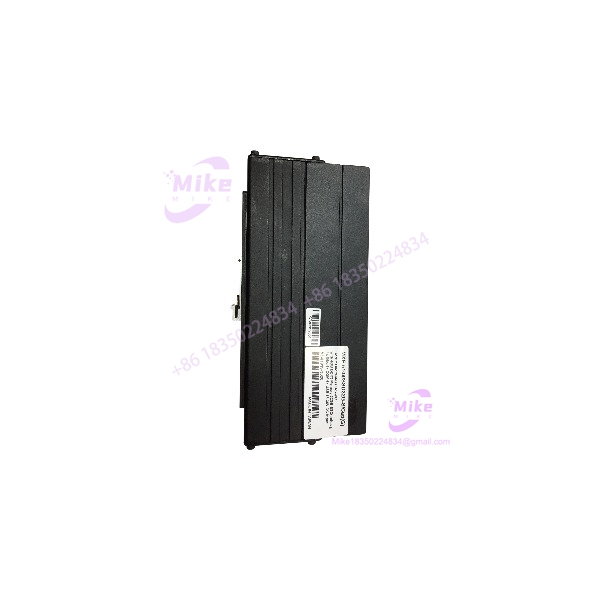
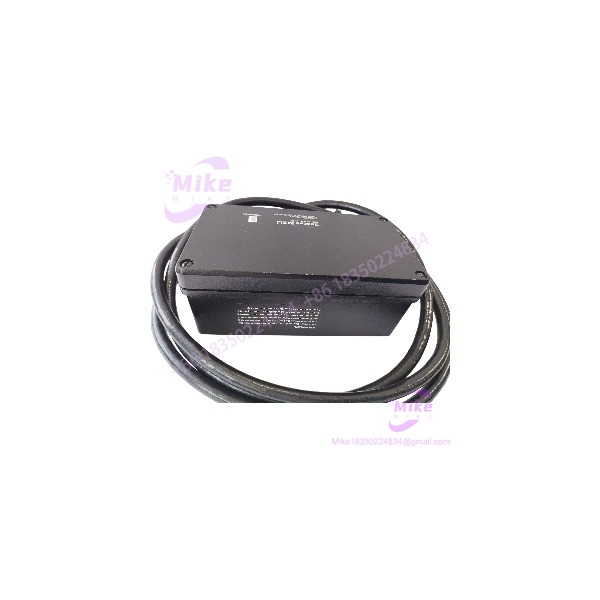
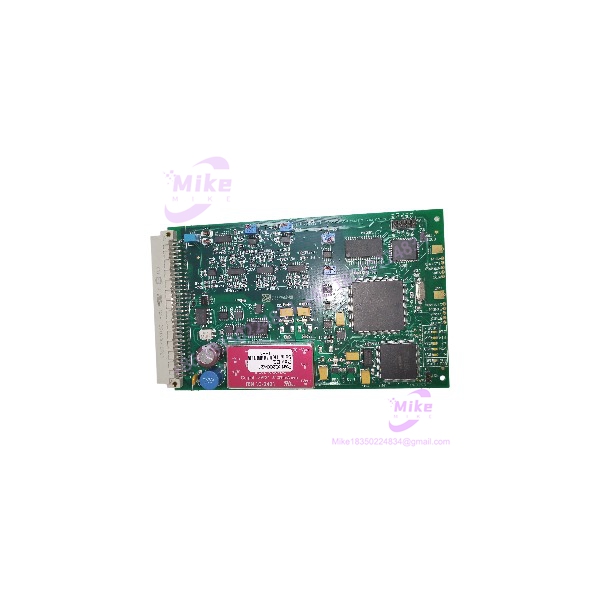
Litton KM NA1077 TICS | HA345013B PCB Card Module In Stock
Dynamic Product Introduction
Operating legacy bridge management systems on commercial shipping fleets exposes delicate circuitry to chronic vibration, thermal expansion, and salt air infiltration. When an aging navigation processor drops communication with steering gear or radar tracking loops, finding an exact match for obsolete hardware becomes an urgent operational priority. The Litton KM NA1077 TICS module (HA345013B) serves as a direct drop-in replacement for worn interface cards within established Litton marine automation frameworks.
Instead of forcing a costly, full-scale bridge electronics retrofit, vessel operators use this authentic PCB card to restore seamless telemetry routing. Built with heavy-duty trace copper and robust solder masking, the HA345013B board handles continuous signal processing loads without trace delamination. It bridges the gap between older serial sensors and central processor racks, ensuring that vital navigation data flows uninterrupted across the vessel network.
NA1077
Key Technical Specifications
- Board Designation: KM NA1077 TICS Interface Module
- OEM Part Number: HA345013B
- System Family: Litton Marine Systems / Northrop Grumman
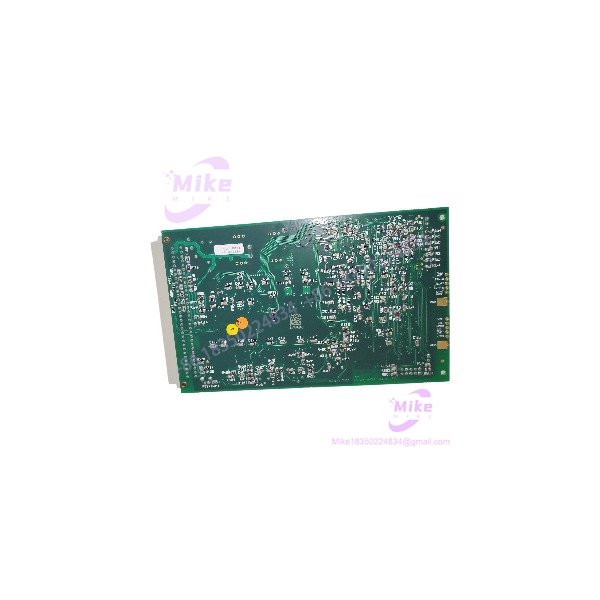
- Board Construction: Multi-layer glass-epoxy industrial printed circuit board
- Edge Connectors: Gold-plated multi-pin bus fingers for secure backplane retention
- Mounting Format: Standard rack-mounted card cage slide-in configuration
- Operating Environment: Designed for shipboard bridge electronics consoles and climate-controlled rack rooms
- Power Requirements: Regulated DC logic rails supplied directly by the parent rack backplane
Global Sourcing & Live-Test SOP (Transparency Core)
Procuring obsolete military or commercial marine electronics from surplus inventory requires rigorous multi-stage qualification to eliminate latent micro-fractures and electrostatic discharge (ESD) damage.
- Inbound Inspection: Incoming HA345013B boards are examined under magnification for trace corrosion, solder joint crystallization, and hairline cracks across the multi-layer substrate. Part numbers and engineering stamps are cross-referenced against Litton archives.
- Component & Trace Verification: Technicians perform resistance and capacitance checks across power bus lines and input gates to catch shorted tantalum capacitors or degraded logic ICs.
- Live Test Bench Simulation: The PCB card is inserted into an authentic Litton TICS rack simulator. Technicians power the system up under controlled voltage rails to verify clock stability, data bus handshakes, and input/output port response.
- Thermal Soak Cycle: Boards undergo a 12-hour thermal stress cycle to flush out intermittent solder joint failures before final clearance.
- Final Preparation: Diagnostic results are recorded, configuration jumpers are verified, and the board is sealed inside thick static-shielding moisture barrier bags with fresh desiccant.
The Field Engineer’s Pitfall Guide
- ❗ Forced insertion damages delicate backplane connector pins: The gold-plated edge fingers on the HA345013B require clean alignment before sliding the card into the rack cage. Forcing a misaligned board bends the delicate backplane pins, causing permanent communication loss across the entire rack slot.
- ❗ Ignoring ESD precautions destroys sensitive MOS logic chips: Older Litton processor and interface cards use sensitive complementary metal-oxide-semiconductor (CMOS) components. Handling the KM NA1077 TICS board without a grounded wrist strap or on an un-grounded workbench risks static discharge that degrades internal gates.
- ❗ Failing to clean oxidation off slot guides causes intermittent bus faults: Rack slots exposed to marine air accumulate microscopic film and oxidation. I’ve seen engineers waste hours swapping cards when the actual root cause was dirty backplane contact fingers that simply needed proper contact cleaner.
Intent-Driven FAQ
Is the Litton HA345013B a direct drop-in replacement for older revision cards?
Yes. The HA345013B part number matches the exact hardware pinout and logical architecture of legacy KM NA1077 TICS boards, allowing for an immediate plug-and-play swap without software reconfiguration.
How do I prevent static damage when handling this PCB module?
Always store and transport the card inside its original anti-static shielding bag. During installation, wear a grounded wrist strap and handle the board strictly by its edges or non-conductive extraction handles.
What causes intermittent data dropping on the TICS interface?
Intermittent dropouts typically stem from oxidized edge connector fingers, loose backplane mounting screws, or failing electrolytic capacitors on the power supply regulation traces of the board.
Does this board require firmware flashing before installation?
No. The KM NA1077 TICS board operates on hardwired logic routines or plug-in ROM firmware chips inherited from your existing system configuration. Swapping the socketed memory or matching the board revision ensures immediate operational readiness.
How should spare PCB cards be stored onboard a vessel?
Spare boards must remain sealed in moisture-barrier ESD bags and stored in a temperature-controlled cabinet away from engine room humidity, vibration zones, and direct chemical exposure.