Description
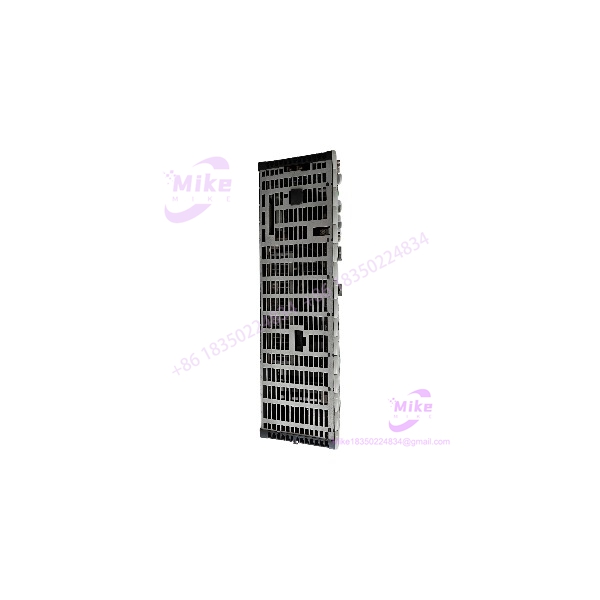
KEBA CP450C | Kemro Industrial Controller CPU Module
Dynamic Product Introduction
Operating advanced automation cells and multi-axis industrial robots requires deterministic processing power capable of sub-millisecond trajectory updates. When legacy controller hardware begins experiencing execution latency or communication dropouts, dropping in a verified KEBA CP450C (CP450/C) module restores absolute precision to the machine line.
Unlike generic industrial computers, this dedicated processing node is engineered natively for the KEBA Kemro ecosystem, handling complex control and kinematic algorithms seamlessly. Deploying a fresh CP450C unit delivers an immediate performance upgrade—slashing instruction cycle times while ensuring reliable synchronization across distributed I/O slices and drive architectures.
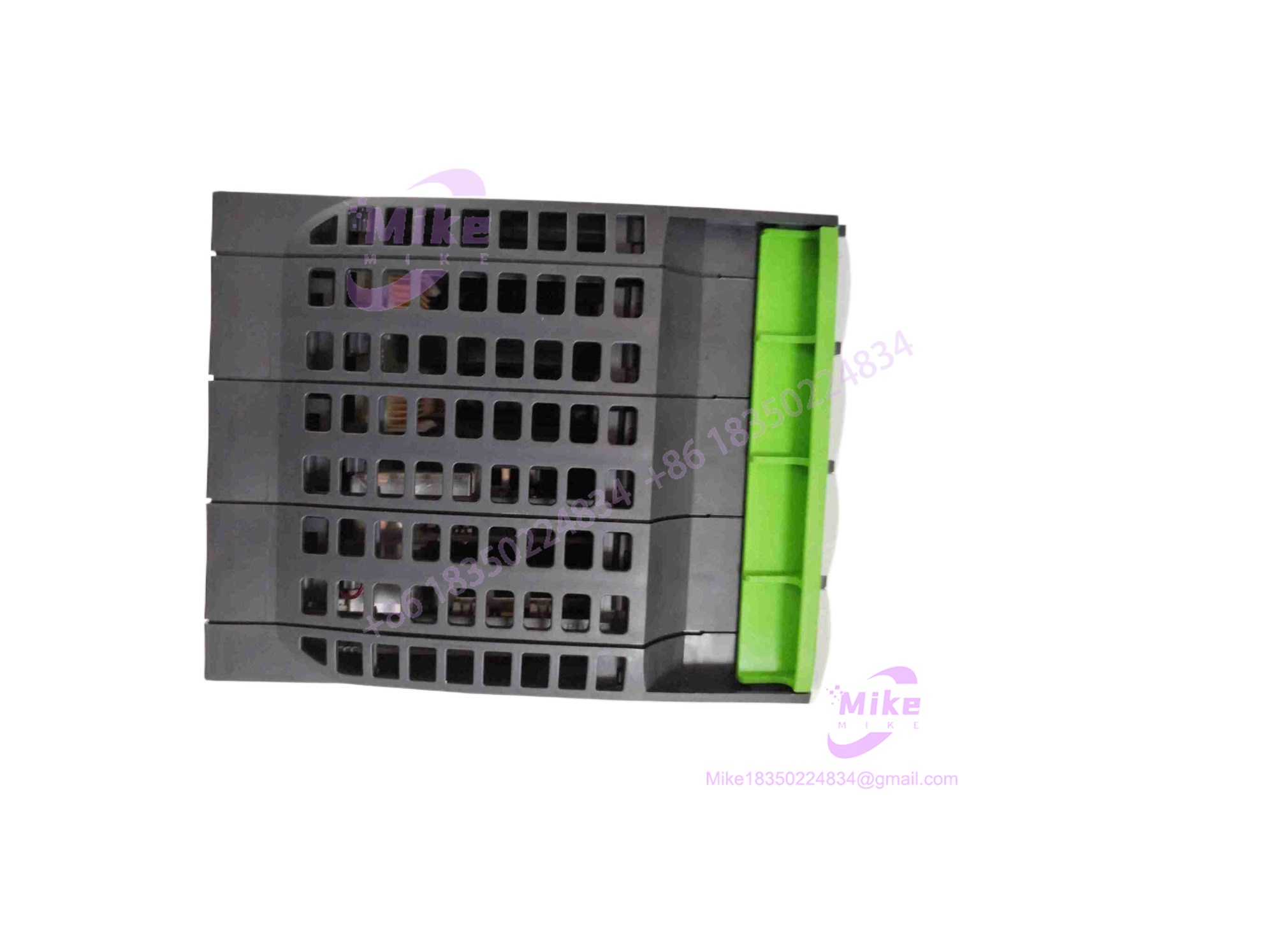
CP450C
Key Technical Specifications
| Core Parameter | Technical Specification |
| Product Model | CP450C (CP450/C Kemro Controller) |
| Manufacturer | KEBA Industrial Automation |
| System Compatibility | KEBA Kemro K2 / Industrial Robot & Machine Platforms |
| Module Classification | Central Processing Unit / Robotic Controller Module |
| Processing Core | High-performance industrial real-time processor |
| Communication Bus | Proprietary backplane integration with modular fieldbus support |
| Power Requirements | 24V DC nominal system backplane rail distribution |
| Operating Temperature | 0°C to +55°C industrial cabinet threshold |
| Enclosure Protection | IP20 modular electronic card layout |
Global Sourcing & Live-Test SOP (Transparency Core)
Acquiring legacy or surplus industrial automation controllers through secondary markets requires an uncompromising verification protocol to prevent unexpected field failures.
- Inbound Verification: Every incoming CP450C batch undergoes high-magnification pin-array inspection of backplane connectors, battery voltage checks, and laser barcode traceability against official KEBA factory distribution logs.
- Live Simulation: Technicians mount the CPU module onto an active Kemro test rack energized by regulated DC rails to verify boot-loader execution and bus handshaking routines.
- Diagnostics: Engineers execute full-scale communication traffic sweeps across onboard ports, validating system memory integrity and running a 24-hour thermal soak chamber test.
- Final Prep: Units receive comprehensive firmware revision logging, static-dissipative wrapping, and vacuum sealing inside heavy-gauge moisture-barrier packaging.
The Field Engineer’s Pitfall Guide
❗ Firmware Revision Mismatches: Dropping a replacement CP450C module with an unaligned runtime firmware version onto an active machine rack can cause immediate communication faults with distributed drives or robot joints. I’ve seen plant commissioning windows stall for an entire shift because an updated controller rejected the legacy project container file.
❗ NVRAM and Retentive Data Loss: Failing to check internal battery backup states or project memory retention before swapping controllers can result in the loss of critical calibration offsets and remanent variables. Always pull a clean backup configuration via the engineering toolset prior to dismounting a unit.
❗ Backplane Insertion Stress: Forcing the CPU module into an unaligned rack slot can bend delicate backplane pins. Always ease the housing smoothly along the guide rails before engaging any locking levers.
Intent-Driven FAQ
Will I lose my application software if I swap this controller?
Application logic, kinematic parameters, and project configurations are typically stored on removable memory media or project flash partitions. Swapping the base hardware while retaining your original memory card preserves your software program, provided firmware versions align.
Are these units original factory sealed or surplus stock?
Sourced inventory pools span both original factory-sealed packaging and fully tested, certified surplus hardware. Every single unit undergoes rigorous bench validation prior to dispatch.
Can this controller manage complex robotic kinematics?
Yes, the Kemro CP450/C platform is purpose-built to handle demanding multi-axis motion control and specialized robotic path-planning tasks alongside standard PLC logic.
What software environment is used to program and configure this unit?
Configuration, logic programming, and motion tuning are handled seamlessly through KEBA’s authorized engineering development environments.
What kind of warranty accompanies a replacement CPU module?
All supplied units carry a comprehensive 1-year operational warranty covering internal component health, communication port stability, and processing reliability.
Are you deploying this controller into an active robotic cell or utilizing it as a hot-spare replacement for an existing automation line?