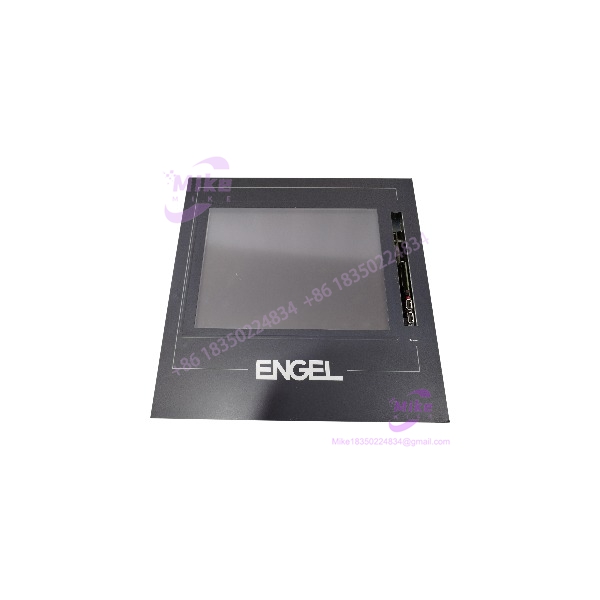
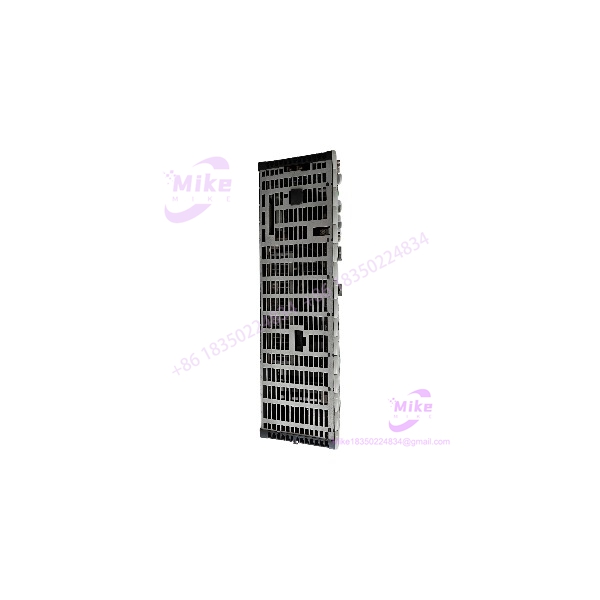
Description
KEBA CU312 | Automation CPU Core Category
Dynamic Product Introduction
Upgrading modular machine controllers often creates unexpected cabinet clearance and bus-timing headaches. Honestly, integrating the KEBA CU312 avoids these spatial constraints while delivering sharp improvements in cycle times. This controller handles demanding kinematics and peripheral coordination without lagging, making it a reliable swap for aging platform architectures (—though checking your backplane current load is mandatory). Compared to legacy controllers, the KEBA CU312 packs denser processing power into a slimmer profile, minimizing cabinet real estate waste.
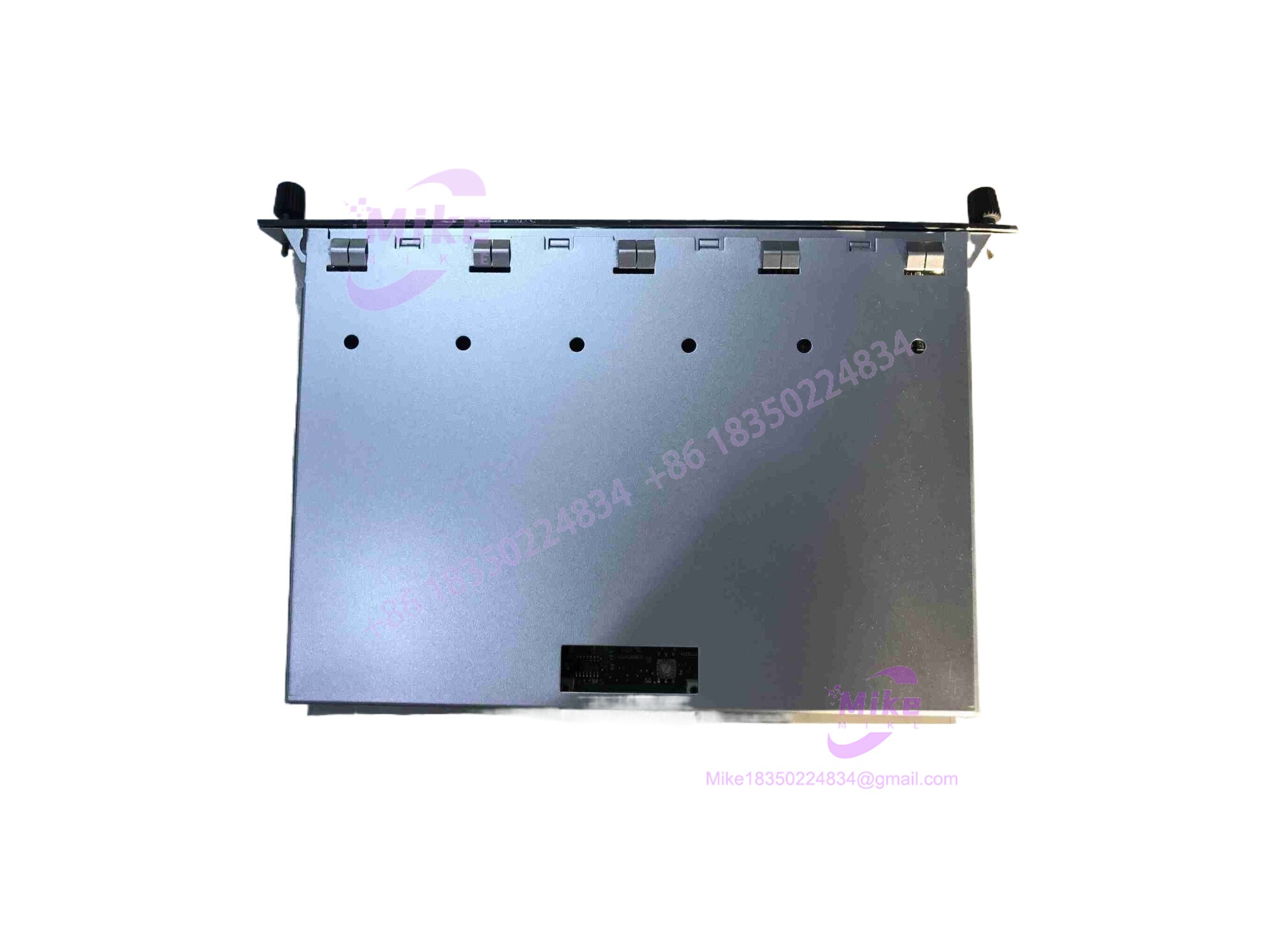
CU312
Key Technical Specifications
| Specification | Parameter Value |
| Processor Architecture | High-performance industrial CPU |
| Execution Speed | Sub-millisecond instruction cycle time |
| Communication Interfaces | Ethernet, CANopen / embedded fieldbus ports |
| Memory Configuration | Non-volatile flash and onboard RAM |
| Backplane Support | KEBA modular I/O expansion racks |
| Power Supply Requirements | 24VDC system voltage input |
| Operating Temperature | 0°C to 55°C industrial standard |
| Status Diagnostics | Multi-color LED indicators for error, run, and comms |
| Mounting Type | DIN-rail mountable compact housing |
| Certifications | CE, cULus compliant |
Global Sourcing & Live-Test SOP (Transparency Core)
Acquiring obsolete or secondary-market automation gear requires meticulous screening to prevent premature component failure. Every inbound KEBA CU312 unit undergoes strict customs origin validation and high-resolution optical checks to spot any pin corrosion or tampering.
Following intake, we mount the controller onto a specialized validation rack powered by calibrated power supplies. Technicians execute a full-scale I/O simulation, verify communication handshakes across all integrated bus ports, and run a 24-hour thermal stress test. Finally, units are cleared, updated with archival verification logs, and packed in heavy-duty ESD shielding.
The Field Engineer’s Pitfall Guide
❗ Firmware Revision Mismatches: Flashing a replacement KEBA CU312 without checking the runtime software version can cause severe bus communication drops. I’ve seen plant commissioning delayed for days because a controller came loaded with an outdated kernel revision.
❗ DIP Switch & Jumper Blindness: Overlooking hardware address switches or bus termination jumpers on the rack assembly will cause network fault codes to loop endlessly. Always map physical settings directly from your working system blueprint.
❗ Power Supply Rail Overloads: Snapping additional high-density I/O modules onto the rack alongside a fresh KEBA CU312 can easily starve the 24V bus. Always calculate the total amperage draw prior to energizing the backplane.
Intent-Driven FAQ
- Will I lose my application code if I swap the KEBA ? Application software and parameters reside in non-volatile flash or removable storage media, but always pull a fresh project backup through the engineering software before pulling the dead unit.
- Is the KEBA pin-compatible with older series racks? Physical dimensions match within the same family line, but backplane bus capabilities vary—verify your specific rack revision specs first.
- What type of warranty covers surplus units? Verified inventory units typically feature a comprehensive 1-year operational warranty backed by strict test documentation.
- Can I downgrade the firmware to match older engineering environments? Yes, provided you use the authorized flashing tool and have the correct legacy firmware binary for the KEBA .
- How can I tell if a replacement unit has been refurbished? Look for traceable serialized test sheets, clean terminal blocks free of wire scoring, and secure antistatic OEM packaging seals.