

Description
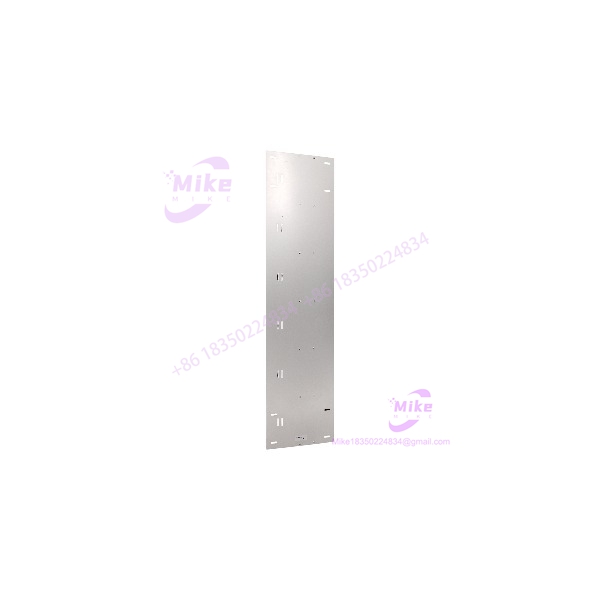
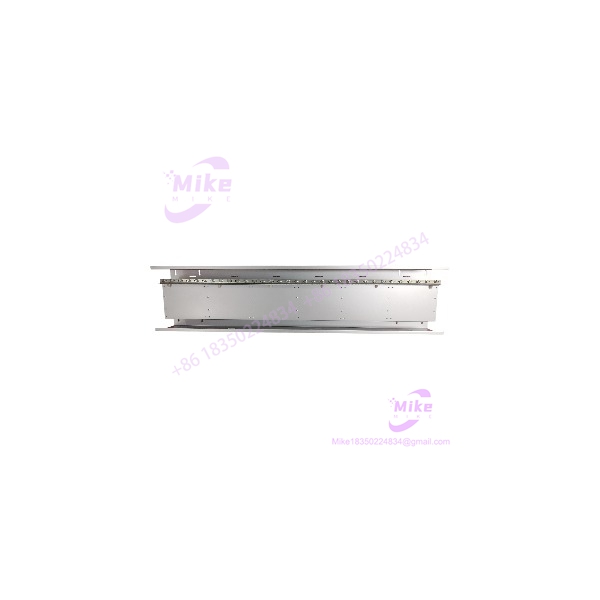
Honeywell MU-TMCN02 51196094-100 | Termination Assembly Module
Architect’s Product Breakdown
The Honeywell MU-TMCN02 (identified by part number 51196094-100) operates as a critical termination and marshalling assembly designed to bridge field-level sensor wiring with system-level I/O electronics in legacy TDC 3000 and Experion PKS architectures. This hardware model acts as the physical backbone where field cables terminate before signals are routed via pre-engineered system cables to the core process manager cards.
Integrating this termination model into an existing marshalling cabinet requires careful attention to cable routing, shield grounding bars, and terminal torque specifications. Because process control systems rely on clean signal transmission, failing to isolate high-voltage power lines from low-level analog signal paths on this terminal assembly will introduce severe common-mode noise and corrupt process variables. System engineers must also verify that the specific hardware revision matches the corresponding I/O card pinout to prevent signal transposition during commissioning.
MU-TMCN02 51196094-100
Key Technical Specifications
| Parameter | Specification |
| Manufacturer | Honeywell |
| Model Designation | MU-TMCN02 |
| Part Number | 51196094-100 |
| System Compatibility | Honeywell TDC 3000 / Experion PKS I/O Infrastructure |
| Termination Type | Heavy-duty screw clamp terminals |
| Mounting Configuration | Panel / DIN Rail mountable base |
| Signal Compatibility | Analog and digital I/O signal loops |
| Ambient Operating Temperature | 0°C to 55°C |
| Enclosure Rating | IP20 Open-style marshalling module |
Field Engineer’s Pitfall Guide
- WARNING: Terminal Overtightening. Never use excessive torque when securing field wires into the terminal blocks of this model. Overtightening will strip the brass screw threads inside the molded housing, requiring a complete module replacement.
- WARNING: Shield Continuity Errors. Ensure that all individual signal cable drain wires are terminated strictly to the designated ground bus bars rather than floating or bridging across adjacent terminals. Improper grounding creates ground loops that inject electrical noise into control loops.
- WARNING: Cable Harness Mismatch. Verify the exact pin-to-pin mapping of the pre-engineered cable connecting the termination assembly to the I/O card. Forcing an incorrect cable harness can expose low-voltage electronics to dangerous field voltages.
QA & Testing SOP
- Visual & Origin Verification: Inspect the molded plastic base for cracks, verify factory laser markings and part number tags (51196094-100), and check terminal screws for smooth threading.
- Continuity & Isolation Check: Use a multimeter to verify pin-to-pin continuity from field terminals to connector pins, followed by an insulation resistance test to confirm zero leakage between adjacent channels.
- Terminal Clamp Integrity Test: Cycle each terminal screw through its full travel range to ensure proper clamping force and prevent intermittent connection issues.
- Packaging: Enclose in static-shielding material and pack with dense anti-static foam inside a sturdy cardboard container.
Technical FAQ
Can this termination assembly be replaced while the process loops are energized?
Live replacement of termination modules is generally discouraged unless loop power is isolated and plant safety protocols for live electrical work are strictly enforced.
What is the distinction between model MU-TMCN02 and part number 51196094-100?
MU-TMCN02 serves as the engineering model designation, whereas 51196094-100 is the precise Honeywell manufacturing and procurement part number.
Does the terminal module require internal configuration jumpers?
No. This hardware functions strictly as a passive marshalling and termination pass-through assembly without active programmable components.
What causes intermittent sensor signal drops across this termination block?
Intermittent faults typically stem from oxidized wire strands, loose terminal screws, or vibration-induced loosening in high-vibration industrial environments.





