


Description
HIMA EABT3 B9302 | Safety System Termination / I/O Module, In Stock
Architect’s Product Breakdown
The HIMA EABT3 B9302 operates as a specialized termination and interface module within HIMA’s highly reliable safety-instrumented systems (SIS) and emergency shutdown (ESD) architectures. Widely deployed in oil and gas refineries, chemical processing plants, and power generation facilities, this module manages field-side wiring connections, ensures fault-tolerant signal routing, and maintains strict electrical isolation between field instruments and safety-rated processor racks.
Because safety-instrumented systems are governed by rigorous compliance standards (such as IEC 61508 / SIL ratings), replacing a component requires exact part number matching (EABT3 B9302) and strict verification of terminal wiring diagrams to prevent safety loop faults or spurious trips.
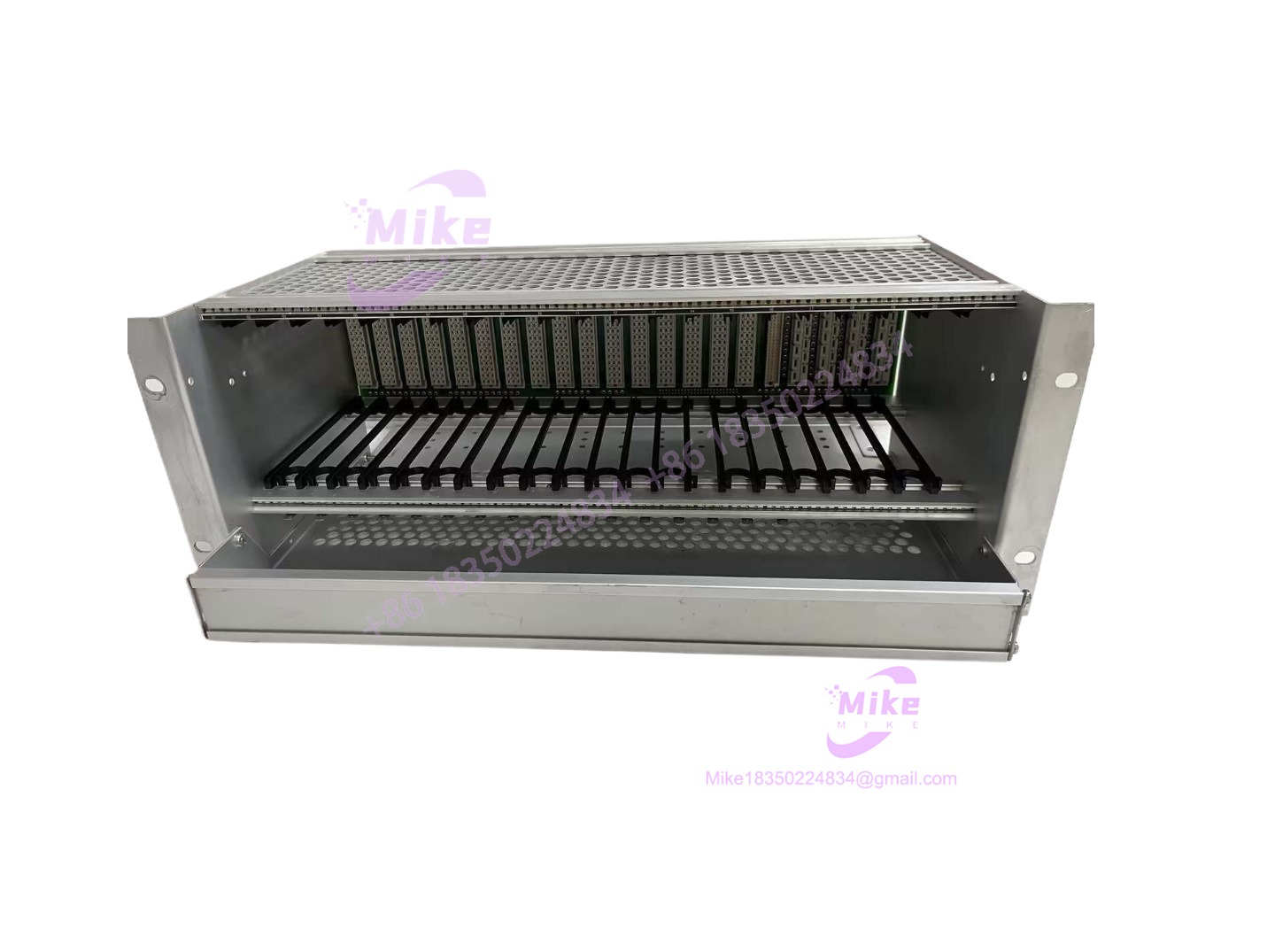
EABT3 B9302
Key Technical Specifications
| Parameter | Specification |
| Series | HIMA Safety-Related Automation & ESD Line |
| Model / Part Number | EABT3 B9302 |
| Function Type | Signal Termination / I/O Interface Module |
| Safety Integrity | Designed for integration into SIL-rated safety loops (application dependent) |
| Termination Type | Heavy-duty industrial screw or spring-clamp terminal connections |
| Mounting | Designed for secure installation within safety-rated control enclosures |
| Operating Environment | Built for harsh industrial process environments with high reliability requirements |
Field Engineer’s Pitfall Guide
- WARNING: Safety Loop Bypass Violations. Disconnecting or jumpering terminals on safety termination modules without an authorized Management of Change (MOC) process can disable critical emergency shutdown interlocks.
- WARNING: Torque & Connection Failures. Inadequate screw torque on heavy-duty terminal blocks can cause high-resistance connections, leading to intermittent signal dropouts and spurious safety system faults.
- WARNING: Unverified Revision Swaps. Replacing a safety-critical termination board with an unverified hardware revision can alter loop characteristics or bus termination impedances, violating safety certification requirements.
- Field Anecdote: I remember an offshore platform gas-detection loop tripping unexpectedly because a replacement termination board was installed with loose wire strands bridging adjacent safety signal channels, creating a ground fault that triggered the ESD matrix.
QA & Testing SOP
- Visual & Certification Inspection: Inspect the terminal blocks, PCB traces, and manufacturer safety markings for thermal discoloration, mechanical cracks, or corrosion, ensuring genuine HIMA provenance.
- Continuity & Isolation Testing: Perform rigorous multi-meter resistance and insulation breakdown checks across all termination paths to verify zero short circuits or leakage currents.
- Loop Verification: Integrate the module into a certified test bench or safety validation rig to confirm that signal paths, fusing, and passive isolation barriers operate within manufacturer tolerances.
- Anti-Static & Protective Packaging: Enclose the module in antistatic barrier bags and package it securely inside high-density structural foam containers to prevent mechanical damage during transit.
Technical FAQ
What is the primary application of the HIMA EABT3 B9302? It is used in industrial safety-instrumented systems (SIS) and emergency shutdown (ESD) applications to terminate and interface field wiring safely.
Is the EABT3 B9302 still actively manufactured? Original factory production for this specific legacy part has largely concluded, but certified surplus units and specialized component support are available through industrial safety automation suppliers.
What precautions are mandatory when replacing safety termination hardware? Always ensure the specific safety loop is safely bypassed or the process unit is in a safe shutdown state (LOTO) before touching terminal wiring to prevent accidental plant trips.
What causes intermittent faults on industrial safety termination boards? Intermittent faults are typically caused by vibration-loosened terminal screws, oxidation on pin connectors, or environmental moisture ingress inside the control cabinet.





