

Description
FOXBORO P0912XX | AC Power Switching Assembly
Architect’s Product Breakdown
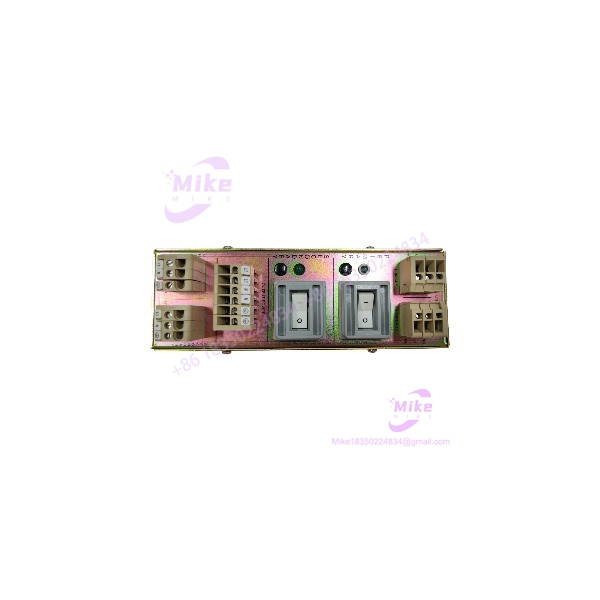
The FOXBORO P0912XX requires part-level identification before its role in a DCS architecture can be stated definitively. Some specialist reseller catalogs associate it with Foxboro I/A Series AC power transfer hardware and report a 120 VAC input. Other catalogs describe the same model number as a communications interface module, but provide no convincing manufacturer documentation to establish that classification. For procurement and maintenance purposes, that conflict is significant: a power-transfer component and a communications module perform entirely different jobs and are not interchangeable.
If the installed unit is the power-related assembly described by the relevant supplier, the key engineering checks are the incoming AC supply, switching or transfer arrangement, load requirements, terminal layout, and mounting configuration. A reported 120 VAC input should be treated as an unverified catalog claim until confirmed against the installed unit’s nameplate and approved wiring drawings. Do not infer a 220 VAC rating or a communications protocol from unrelated reseller descriptions.
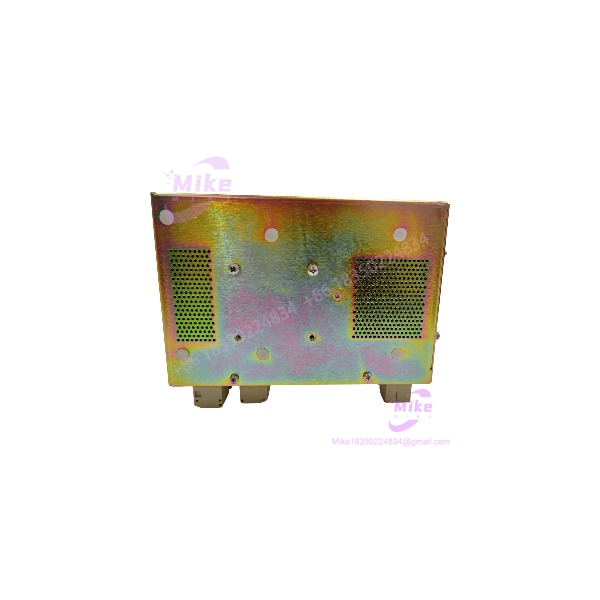
For a legacy Foxboro installation, the safest approach is to match the complete part number and physical hardware before ordering. Photograph the nameplate, connectors, terminal markings, and mounting arrangement; then compare them with the installed component and its documentation. Until that check is complete, the P0912XX should not be approved as either a power module or a communications interface solely on the basis of a generic online listing.
P0912XX
Key Technical Specifications
| Parameter | Specification |
|---|---|
| Manufacturer | FOXBORO / Invensys |
| Model | P0912XX |
| Product family | Reported as Foxboro I/A Series-related hardware |
| Product type | Unresolved; reseller listings conflict |
| Possible classification | AC power transfer hardware |
| Reported input voltage | 120 VAC in one reseller description; not OEM-verified |
| Output voltage | Not verified |
| Switching capacity | Not verified |
| Communication interfaces | Not verified |
| Supported protocols | Not verified |
| Mounting arrangement | Confirm from the actual hardware and manufacturer documentation |
| Operating temperature | Not verified |
| Firmware requirements | Cannot be established until the exact hardware function is confirmed |
| Lifecycle status | Confirm current OEM support and availability |
| Condition | Verify actual stock condition with the supplier |
Specification integrity note: The available listings do not support a dependable, complete electrical specification for P0912XX. Do not use generic values such as 24 VDC, 220 VAC, 30 kHz, or specific industrial protocols for engineering approval without independent verification.
Field Engineer’s Pitfall Guide
Warning 1 — Resolve the product identity before purchasing.
The conflict between power-transfer and communications-interface descriptions is the main procurement risk. Ask the supplier for photographs of the actual unit and its identification label. A catalog title alone is insufficient evidence.
Warning 2 — Verify the electrical ratings before connecting power.
If the unit is confirmed to be power-related hardware, check the input voltage, output or transfer arrangement, load rating, terminal assignments, and required protective devices. Never energize an unidentified assembly based on a reseller’s generic specification.
Warning 3 — Do not assume communications or hot-swap capability.
A product described as a communications module in one catalog may be misidentified. Establish the actual function before planning firmware work, protocol integration, or live replacement. Follow the site’s approved isolation and maintenance procedures.
Field scenario: A replacement is ordered using a catalog description that calls P0912XX a communications module. The delivered unit’s markings suggest a power-related assembly, and the planned repair cannot proceed. Requesting the nameplate and terminal photographs before purchase would have exposed the discrepancy before the maintenance window.
QA & Testing SOP — Transparency
A suitable inspection and acceptance process for the FOXBORO P0912XX should include the following steps.
1. Visual and origin inspection
- Record the complete model marking, available revision information, and serial number where present.
- Photograph the terminals, connectors, mounting features, and any electrical rating labels.
- Review supplier traceability documents; visual appearance alone does not prove authenticity.
2. Hardware identification
- Compare the actual unit with the installed component and approved drawings.
- Establish whether it is a power-transfer assembly, communications module, or another component before testing.
- Reject ambiguous identification for critical-service applications until resolved.
3. Functional testing
- Use a test procedure appropriate to the confirmed hardware type.
- For power-related hardware, verify only the documented input, switching or transfer behavior, and rated output conditions.
- For communications hardware, verify the documented interface and supported communications behavior.
- Do not energize the unit or apply test signals while its identity and ratings remain uncertain.
4. Test documentation
- Record test conditions, results, equipment used, and any unperformed checks.
- Distinguish a visual inspection from a functional test.
- Do not claim full-load, live-system, or protocol testing unless it was actually completed.
5. Packaging and dispatch
- Protect connectors and terminals from damage and contamination.
- Use suitable ESD protection where applicable.
- Include the verified product identity, condition, test report, and warranty terms.
Technical FAQ
Q1. Is FOXBORO P0912XX a communications interface module?
That classification is not confirmed. Some reseller listings use that description, while others identify P0912XX as AC power transfer hardware. Verify the physical unit and manufacturer documentation before purchase.
Q2. Does P0912XX operate on 120 VAC or 220 VAC?
One reseller identifies a 120 VAC input, but that rating has not been confirmed from an authoritative datasheet. Do not connect the unit until its nameplate and applicable electrical documentation establish the correct input rating.
Q3. Can P0912XX replace another P0912-series part?
Not based on the shared numbering prefix alone. Different suffixes can represent different hardware functions or configurations. Confirm the complete part number and documented interchangeability.
Q4. Does P0912XX require a firmware update?
That cannot be answered reliably until the exact hardware identity is established. A power-transfer component generally has no user application firmware, while an electronic communications module may have revision-dependent requirements.
Q5. What should I request before buying a surplus P0912XX?
Request actual-unit photographs, the complete nameplate, electrical ratings, connector or terminal details, confirmation of the hardware function, functional-test evidence, condition, warranty, and return terms. For critical applications, resolve the catalog-description conflict before releasing the purchase order.





