


Description
Emerson DXA-205 | Positioning Servo Drive, In Stock
Architect’s Product Breakdown
The Emerson DXA-205 operates as a dedicated positioning servo drive designed to execute high-precision motion profiles in automated industrial machinery, indexing tables, and CNC-adjacent applications. Serving as an intelligent bridge between system motion controllers and physical motor actuators, it ingests high-level position setpoints, handles internal current and velocity loops, and delivers modulated power directly to the connected servo motor while processing feedback signals.
Because the DXA-205 belongs to an established legacy product line developed within the Emerson / Control Techniques ecosystem, tracking exact manufacturing part numbers (such as 850023-01 or 960023-02) is mandatory during replacement cycles. Swapping out a legacy drive unit requires careful verification of parameter configurations, internal shunt/bridge fuse ratings, and input line voltages to prevent over-voltage trips or axis control runaway during initial startup.
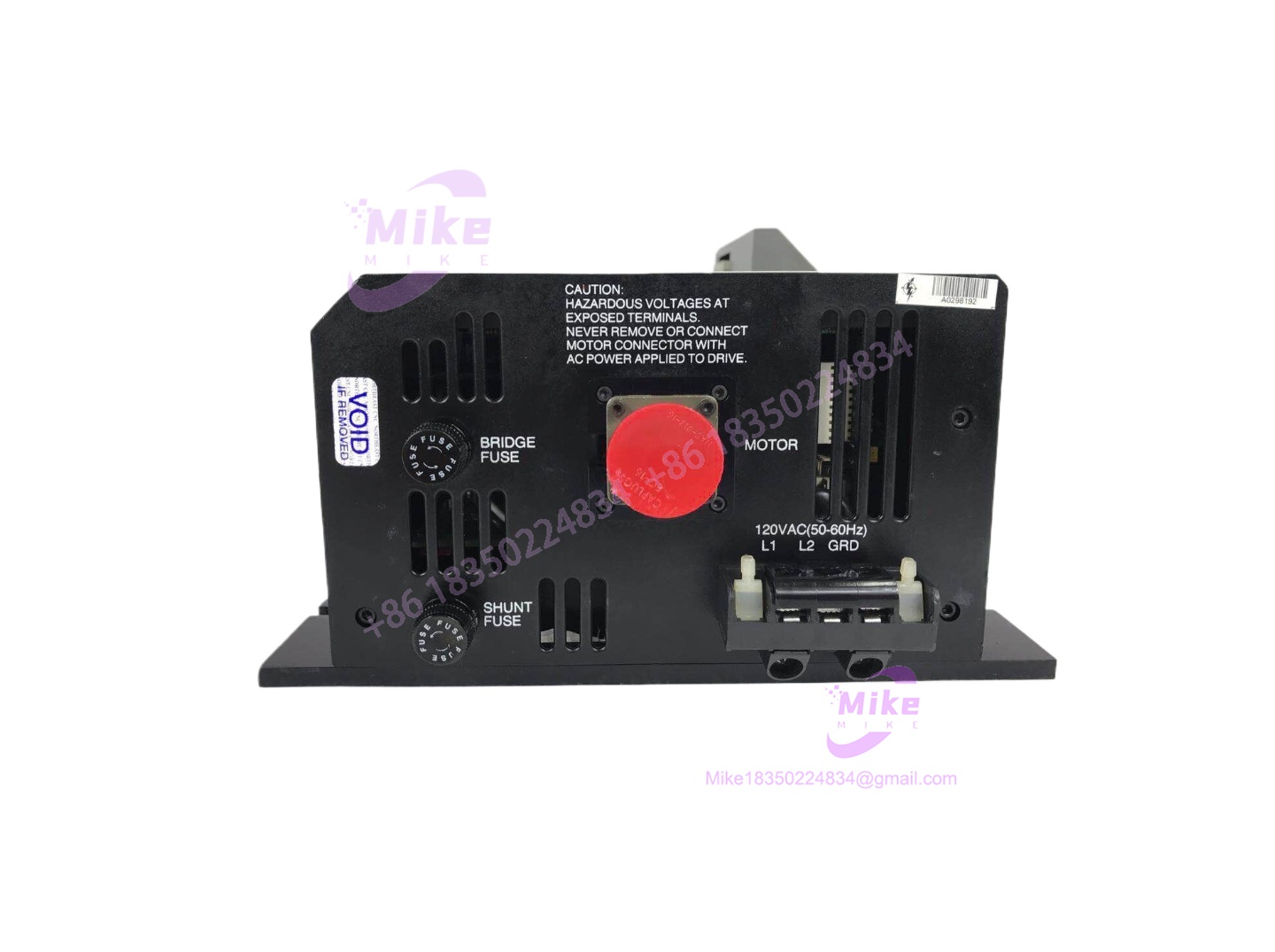
DXA-205
Key Technical Specifications
| Parameter | Specification |
| Series | Emerson / Control Techniques DXA Motion Line |
| Model / Part Number | DXA-205 (P/N: 850023-01 / 960023-02) |
| Input Power Supply | 120 VAC (50 / 60 Hz) single-phase input |
| Internal Protection | Integrated bridge fuses and dynamic braking shunt fuses |
| Control Architecture | Closed-loop positioning, velocity, and torque regulation |
| Mounting Type | Enclosure back-panel / chassis sub-rack mount |
| Operating Temperature | 0°C to +45°C |
| Environmental Protection | Industrial enclosure housing with convection/fan cooling provisions |
Field Engineer’s Pitfall Guide
- WARNING: DC Bus Capacitance Hazard. Never access power terminals immediately after powering down the DXA-205; high-voltage energy stored in internal capacitors requires time to bleed off completely to prevent severe electric shock.
- WARNING: Unmatched Drive Parameters. Installing a replacement unit without transferring or verifying the original motion scaling parameters can lead to immediate motor hunting, severe vibration, or overcurrent shutdown.
- WARNING: Braking Resistor Overload. Omitting or mis-wiring the external dynamic braking shunt resistor during high-inertia deceleration cycles will cause DC bus over-voltage fault trips.
- Field Anecdote: I remember an automated indexing line experiencing recurring overcurrent faults during high-speed moves because a replacement DXA-205 unit was installed using default factory gain settings instead of matching the specific inertia ratio of the heavy payload axis.
QA & Testing SOP
- Visual & Origin Verification: Inspect the chassis, heat sink fins, and internal power board terminals for mechanical wear, component discoloration, and verify original Emerson / Control Techniques manufacturing labels.
- Live Test Bench Environment: Mount the servo drive onto an isolated test bench powered by a variable AC supply equipped with current-limiting safety protection.
- Diagnostics & Dynamic Testing: Verify internal power bridge integrity, check fuse continuity, execute command signal sweeps, and test closed-loop feedback tracking under simulated load.
- Anti-Static & Secure Packaging: Seal the unit in heavy-duty anti-static packaging and secure it within high-density structural foam to protect connection headers and terminals during transit.
Technical FAQ
Can the be replaced with a modern current-generation drive without code changes?
Not directly. Because the utilizes legacy firmware handshakes and command protocols, dropping in a modern third-party drive typically requires re-engineering the control interface or updating PLC motion blocks.
Does this drive require programming software or hardware keypads for setup?
Configuration and tuning parameters are typically managed via dedicated configuration tools, programming modules, or DIP/potentiometer settings depending on the exact hardware revision.
What causes an immediate fuse blow on power-up?
Blown internal bridge or shunt fuses usually point to a shorted output power transistor inside the drive, damaged motor cable insulation, or a catastrophic ground fault in the winding.
Is this unit hot-swappable while energized?
No. Connecting or disconnecting motor leads, control wiring, or power inputs while the is powered on will cause electrical arcing and permanent internal damage.





