


Description
Allen-Bradley 1747-M13 | SLC 500 Backup Storage Quantified Spec
Dynamic Product Introduction
Total program loss and unexpected machine downtime on legacy SLC 500 systems frequently occur when an aging backup battery fails simultaneously with a prolonged power outage. When volatile RAM loses its contents without a reliable secondary storage archive, restoring operations requires hunting down offline backup files and reloading the controller from scratch. The Allen-Bradley 1747-M13 EEPROM memory module resolves this vulnerability by providing a robust, non-volatile hardware backup of your complete control program and data configuration.
Unlike battery-backed RAM alone, this physical EEPROM chip ensures that your ladder logic remains permanently intact regardless of battery age or power grid stability. Safeguarding legacy SLC 500 automation cells against catastrophic program erasure demands exact hardware matching—making this memory module essential for seamless disaster recovery.
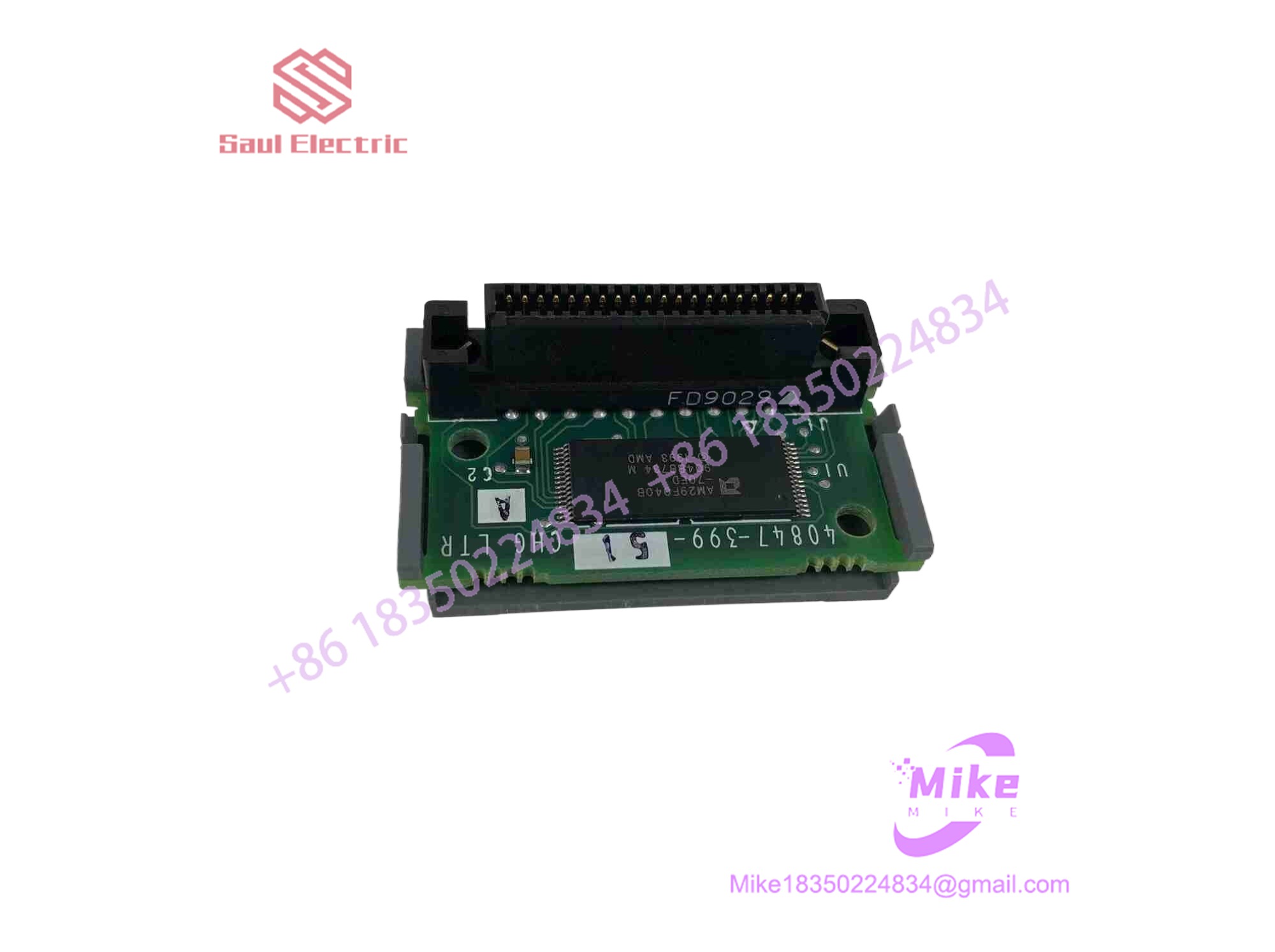
1747-M13
Key Technical Specifications
| Parameter | Specification Detail |
| Manufacturer | Allen-Bradley (Rockwell Automation) |
| Catalog Number | 1747-M13 |
| System Family | SLC 500 Modular Controller Platform |
| Module Type | EEPROM Memory Module |
| Memory Capacity | 16K Words |
| Storage Type | Non-volatile Electronically Erasable Programmable Read-Only Memory |
| Compatibility | SLC 5/01, 5/02, 5/03, 5/04 processors (dependent on processor memory limits) |
| Operating Environment | Industrial control enclosures (0^\circ C to 60^\circ C) |
Global Sourcing & Live-Test SOP (Transparency Core)
Acquiring secondary-market legacy memory modules requires strict data validation and electrical testing to ensure zero bit corruption or flash wear before installation. Our multi-stage qualification protocol covers:
- Inbound Verification: Incoming memory modules undergo high-magnification optical inspection along the edge pins, housing, and internal chip traces to check for bending, corrosion, or thermal stress. OEM catalog markings are authenticated against historical traceability databases.
- Live Simulation: We insert the module into a dedicated Allen-Bradley SLC 500 test CPU rack configured to validate read/write operations.
- Diagnostics: Engineers execute full memory burning, verification, and transfer cycles. Programs are written to the EEPROM, power is cycled, and the CPU is tested to ensure it automatically and accurately loads the stored logic back into system RAM without parity errors.
- Final Prep: Once testing criteria are met, the module is cleaned, contact pins are treated for oxidation prevention, and the unit is sealed inside an antistatic shielding bag.
The Field Engineer’s Pitfall Guide
❗ Hot-Inserting Memory Modules: Never insert or remove the 1747-M13 module while processor power is active. Doing so can cause electrical spikes that corrupt the memory chip or damage the CPU’s internal EEPROM socket.
❗ Overwriting Newer Logic with Stale Backups: I’ve seen technicians blindly configure the processor to load from EEPROM on power-up, accidentally overwriting months of critical program optimizations with an ancient backup stored on the chip. Always verify your program revisions before setting auto-load jumpers.
❗ Bending Fine Connector Pins: The gold-plated contact fingers on memory modules are delicate. Forceful or misaligned insertion into the CPU socket can bend pins, resulting in intermittent memory faults or failure to recognize the card.
Intent-Driven FAQ
Can the 1747-M13 module be used with any SLC 500 processor?
Compatibility depends on your processor’s maximum memory size. The 1747-M13 provides 16K capacity; it will work on processors with equal or greater memory capacity, but cannot expand a smaller 4K or 8K processor beyond its native hardware limits.
How do I program or burn a new program onto the 1747-M13 EEPROM?
You can write your current ladder logic file to the EEPROM directly through programming software (such as RSLogix 500) by navigating to the processor utility menu and selecting “Store to EEPROM.”
What is the difference between saving to EEPROM and relying on the CPU battery?
The CPU battery keeps volatile RAM alive during power outages, but it has a finite lifespan. An EEPROM module is non-volatile, meaning it retains the program indefinitely without requiring battery power.
How do I set the processor to automatically load from the EEPROM on startup?
Automatic load behavior is configured either through software settings in RSLogix or via physical configuration switches/jumpers on specific processor models, forcing the CPU to pull the program from the EEPROM if RAM is lost or corrupted.
What level of warranty is included with this surplus memory module?
We back this component with a comprehensive one-year replacement warranty, covering material defects and data integrity under standard industrial operating conditions.





