
Description
NI sbRIO-9607 | Single-Board RIO Controller Core Category
Dynamic Product Introduction
Integrating high-speed real-time control algorithms with complex FPGA logic on custom embedded hardware frequently leads to heat dissipation issues or timing bottlenecks when legacy architectures age. Honestly, sourcing an exact-fit replacement board for an embedded control system without redesigning custom carrier cards or rewriting LabVIEW FPGA code tests the limits of any OEM design team.
The NI sbRIO-9607 provides an ideal solution for OEM applications by integrating a dual-core ARM Cortex-A9 real-time processor alongside a reconfigurable FPGA on a single board. Engineered specifically for high-volume deployment in industrial monitoring, smart grid control, and robotics, this sbRIO-9607 hardware processes deterministic loops with microsecond precision. In field deployments, swapping in a bench-tested sbRIO-9607 board restores full real-time execution speeds while maintaining complete compatibility with existing LabVIEW Real-Time and FPGA software target builds.
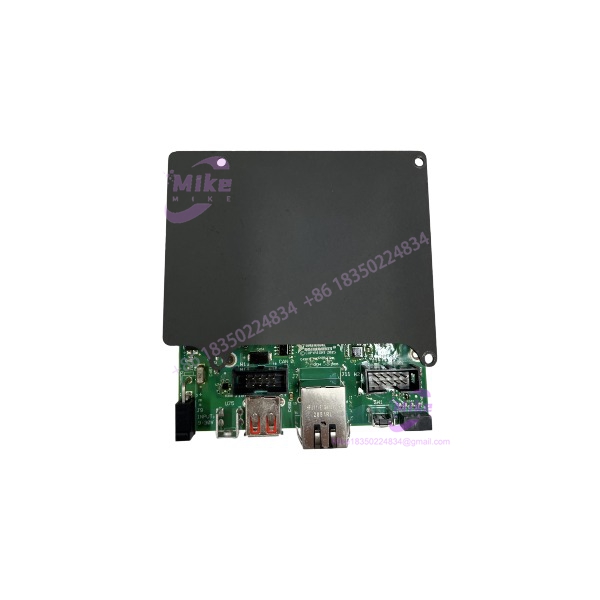
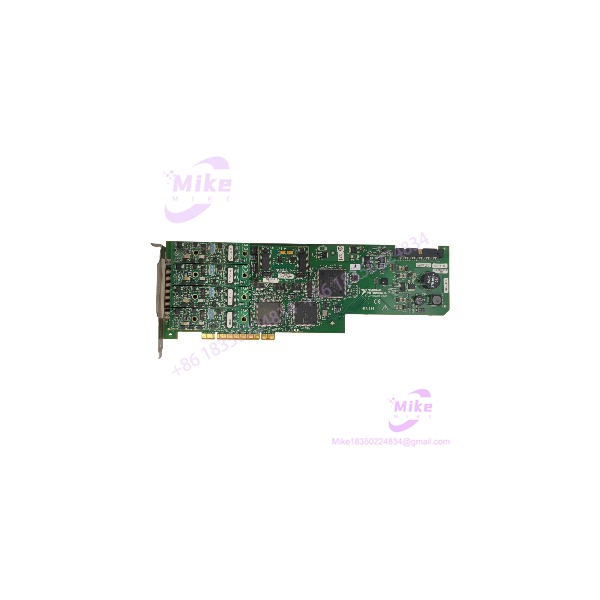
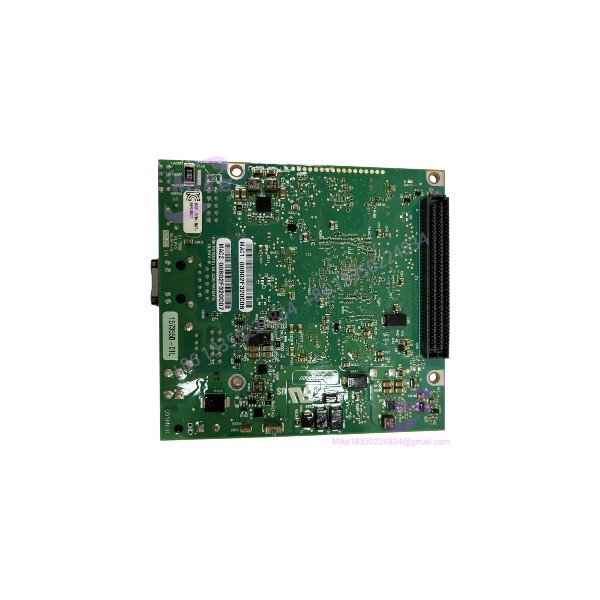
SBRIO-9607
Key Technical Specifications
- Processor Architecture: Xilinx Zynq-7020 All Programmable SoC
- CPU Core: Dual-Core ARM Cortex-A9 clocking at 667 MHz
- Real-Time OS Support: NI Linux Real-Time (64-bit)
- FPGA Fabric: Artix-7 FPGA logic blocks (85,000 logic cells, 220 DSP slices)
- System Memory: 512 MB DDR3 RAM at 533 MHz; 512 MB non-volatile Flash storage
- Network Connectivity: 2x 10/100/1000 Mbps Gigabit Ethernet ports
- Expansion Interface: RIO Mezzanine Card (RMC) high-density connector for custom I/O
- Digital I/O Channels: Up to 96 3.3V DIO lines directly accessible via RMC / header interfaces
- Operating Power Input: 9 VDC to 30 VDC wide supply voltage range
- Operating Temperature Range: -40°C to 85°C ambient industrial rating
- Physical Form Factor: OEM bare-board design (approx. 154 mm x 103 mm)
Global Sourcing & Live-Test SOP (Transparency Core)
Procuring secondary-market embedded hardware requires an absolute zero-trust quality assurance methodology. Inbound shipments of the sbRIO-9607 undergo strict customs documentation tracing and microscopic physical audits to detect counterfeit silicon, reflowed BGAs, or damaged board traces.
Once cleared into inventory, every sbRIO-9607 board moves to our specialized electronics diagnostic bench. Technicians seat the unit onto a test fixture connected to a regulated power supply and execute full LabVIEW Real-Time stress suites. We run a 24-hour thermal soak while running concurrent FPGA pin toggles and heavy Ethernet traffic generation to verify transceiver stability and memory bandwidth. All onboard MAC addresses are cataloged, and real-time targets are reset to factory defaults before sealing the sbRIO-9607 in anti-static ESD shielding prior to dispatch.
The Field Engineer’s Pitfall Guide
❗ Linux RT & LabVIEW Software Version Incompatibility: Attempting to deploy a target build created in a newer or older LabVIEW version without flashing the matching software set onboard the sbRIO-9607 will cause target connection errors. I once watched an automated test rig sit offline for a whole day because a tech tried to run LabVIEW 2018 code without updating the board’s underlying Linux RT runtime image.
❗ Inadequate Thermal Management on OEM Enclosures: Because the sbRIO-9607 is a bare-board OEM unit, failing to attach a heat spreader or thermal pad between the Zynq-7020 SoC and the metal chassis can lead to thermal throttling under heavy FPGA utilization. Always measure die temperatures in LabVIEW MAX during high-load commissioning.
❗ RMC Pin Misalignment During Hot-Swapping: Attempting to connect or disconnect a custom RIO Mezzanine Card while power is applied to the 9-30 VDC input will instantly damage the FPGA’s I/O banks due to voltage transients. Always isolate external power before unseating Mezzanine expansion boards.
Intent-Driven FAQ
Will I lose my LabVIEW Real-Time startup application when swapping the board? Yes, compiled LabVIEW Real-Time applications and bitfiles are stored in local flash memory; you must deploy your target executable build using Measurement & Automation Explorer (MAX) or LabVIEW after installing the new sbRIO-9607 board.
Can I run standard Linux applications directly on the sbRIO-9607? Because the sbRIO-9607 operates on NI Linux Real-Time, you can execute C/C++ applications, Python scripts, or standard Linux utilities via SSH alongside your LabVIEW Real-Time software stack.
Are surplus sbRIO-9607 boards supplied in factory-sealed ESD packaging? Inventory conditions range from brand-new factory-sealed units (NOS) to certified pre-owned stock. Regardless of packaging, every sbRIO-9607 undergoes a complete live-load bench test before shipment.
What causes an immediate system boot failure or solid status LED on the sbRIO-9607? This typically indicates a corrupted onboard firmware image, improper input voltage, or a short circuit on the 3.3V digital I/O lines rather than a complete CPU breakdown.
What warranty coverage is provided with a replacement sbRIO-9607 module? Our secondary-market and surplus sbRIO-9607 boards come with a comprehensive 12-month operational warranty covering component reliability and processing stability under standard industrial conditions.