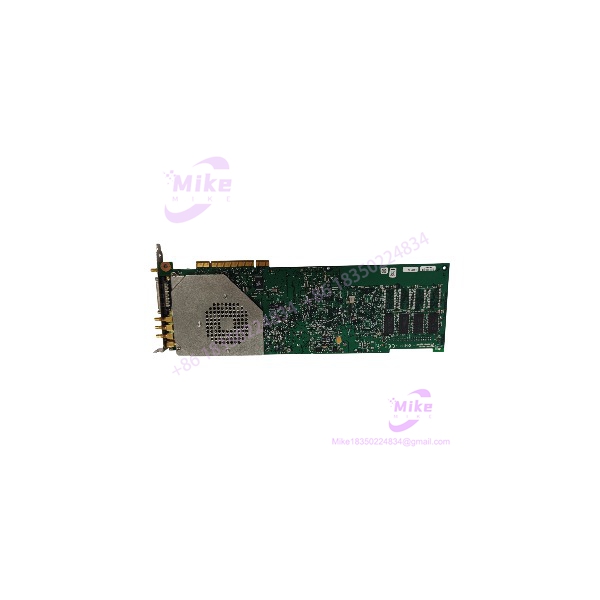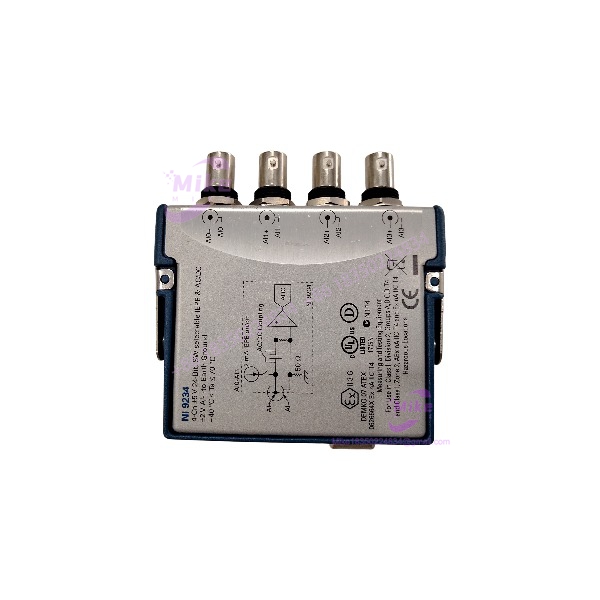
Description
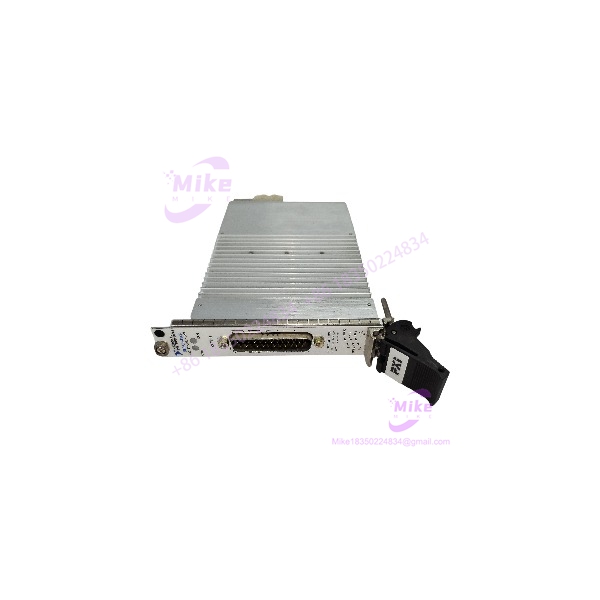
NI PXIe-4145 | 4-Channel Precision Source Measure Unit Module
Dynamic Product Introduction
Test floor managers overseeing automated semiconductor probing stations know how costly channel drift or SMU failure can be during wafer-level qualification runs. When precise IV curve tracing and leakage current characterization require zero baseline distortion, replacing a failing SMU module without interrupting calibrated software routines becomes an urgent priority.
The NI PXIe-4145 packs 4 independent, isolated four-wire (remote sense) source measure channels into a single PXI Express slot. Engineered for high-speed parametric testing, the PXIe-4145 features integrated SourceAdapt technology, enabling engineers to custom-tune the transient response of each individual SMU channel to match specific capacitive or inductive DUT loads. Capable of sourcing up to ±6 V and ±500 mA per channel with sub-nanoamp current sensitivity down to 50 pA, the PXIe-4145 provides the bandwidth and accuracy required for transistor gate testing, optoelectronic component screening, and low-voltage IC characterization.
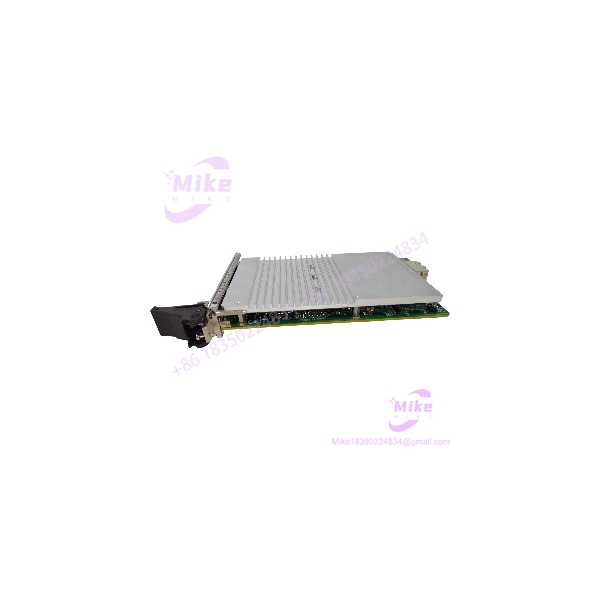
PXIE-4145
Key Technical Specifications
- SMU Channels: 4 isolated channels
- Voltage Output Range: ±6 V per channel
- Current Output Range: ±500 mA per channel
- Current Measurement Resolution: Down to 50 pA
- Maximum Power Output: Up to 3 W per channel
- Transient Response Control: NI SourceAdapt technology (customizable loop response)
- Sensing Configuration: 4-wire remote sense capability per channel
- Sampling Engine: High-speed integrated digitizers for simultaneous voltage and current logging
- Bus Interface: PXI Express Gen 1 x1 peripheral slot interface
- Connector Type: Front panel high-density mass interconnect connector
Global Sourcing & Live-Test SOP (Transparency Core)
Sourcing replacement semiconductor parametric hardware requires thorough electrical verification to guarantee low-current measurement integrity and loop stability.
Inbound Verification & Traceability
- Paperwork Audit: Validation of serial numbers against OEM manufacturing databases to confirm hardware revision authenticity and factory calibration history.
- Physical Inspection: Comprehensive examination of front-panel output pins, backplane PCIe gold contacts, shield grounding integrity, and thermal condition of onboard sourcing transceivers.
Live Rack Simulation & Diagnostics
- PXIe Backplane Verification: Module is placed in an active PXI Express test chassis to verify PCIe device enumeration, memory space allocation, and NI-DCPower driver handshake.
- Parametric Sourcing & Calibration Run: Connected to precision test loads and verified against calibrated benchtop reference meters to confirm voltage output accuracy across the full ±6 V range and current measurement accuracy down to the 50 pA limit.
- SourceAdapt Loop Tuning Check: Dynamically driving capacitive load banks to verify that loop compensation routines eliminate ringing, overshoots, and voltage instability.
- 24-Hour Thermal Burn-In: Module runs continuous maximum power sourcing across all 4 channels simultaneously inside an environmental test chamber to guarantee zero thermal drift over extended operational cycles.
Final Prep
- EEPROM Verification: Confirming onboard factory calibration constants and non-volatile EEPROM data integrity.
- ESD Safe Packaging: Sealed in anti-static shielding bags with desiccant packs before being double-boxed for air freight.
The Field Engineer’s Pitfall Guide
- ❗ Sense Line Open-Circuit Warnings: Running the PXIe-4145 in 4-wire remote sense mode without wiring the Sense high and Sense low lines directly at the DUT terminals leaves the feedback loop open. This causes the SMU channel to rail to its maximum output limit, which can instantly burn delicate semiconductor junctions.
- ❗ Ignoring SourceAdapt Tuning on Capacitive Loads: When driving highly capacitive structures like gate oxides or large power MOSFETs, leaving SourceAdapt at default parameters can induce high-frequency ringing. Always optimize loop compensation settings in NI-DCPower prior to running automated test sweeps.
- ❗ Cabling Noise and Shielding Errors: Measuring current down at 50 pA resolution requires guarded, shielded cabling. Using standard unshielded wiring harnesses instead of triaxial or shielded mass-interconnect assemblies will introduce power-line noise and environmental interference, corrupting baseline current readings.
Intent-Driven FAQ
Will swapping out a damaged PXIe-4145 require updating my LabVIEW application?
No. Hardware replacement is completely transparent to your host software as long as the replacement module is placed in the same chassis slot and assigned the same alias within Measurement & Automation Explorer (MAX).
What driver software is required to operate the PXIe-4145?
The PXIe-4145 requires the NI-DCPower driver package. Ensure your host system is running an NI-DCPower driver version that explicitly supports the PXIe-4145 hardware architecture.
Can all 4 channels on the PXIe-4145 source max current simultaneously?
Yes. Each channel can source up to ±6 V at ±500 mA (3 W per channel) simultaneously, provided the chassis cooling system is set to supply adequate airflow to handle total module power dissipation.
Is the PXIe-4145 compatible with legacy 32-bit PXI slots?
No. The PXIe-4145 utilizes a PXI Express peripheral interface and requires a PXI Express slot or a hybrid PXIe slot. It cannot be physically installed in legacy 32-bit PXI-only slots.
What warranty coverage comes with replacement modules?
All verified PXIe-4145 modules include a standard 12-month full-replacement warranty covering hardware functionality, channel sourcing accuracy, and measurement performance.
If you need help configuring NI-DCPower SourceAdapt settings or selecting compatible guarded mass-interconnect cabling for your PXIe-4145 setup, let me know your test load details and I can guide you through the configuration steps.