Description
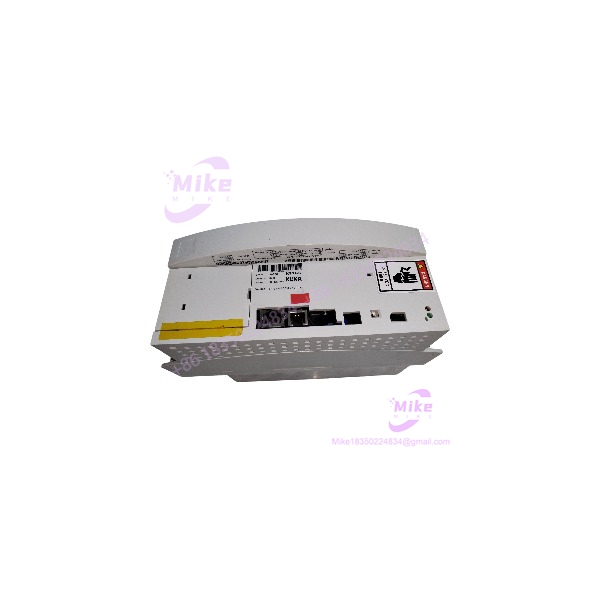
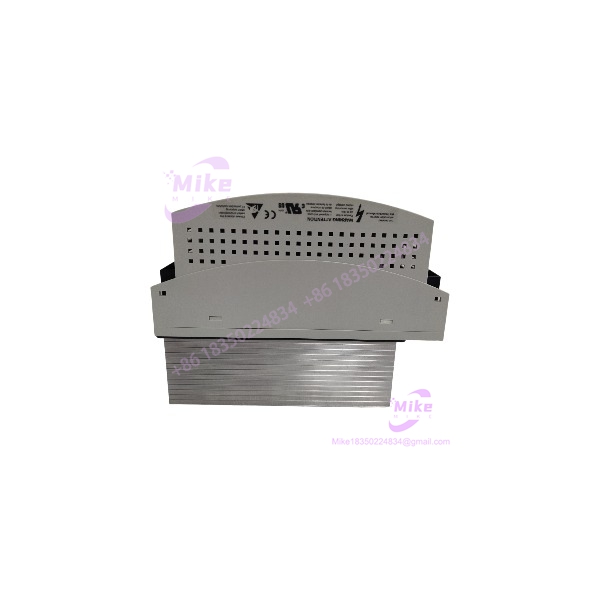
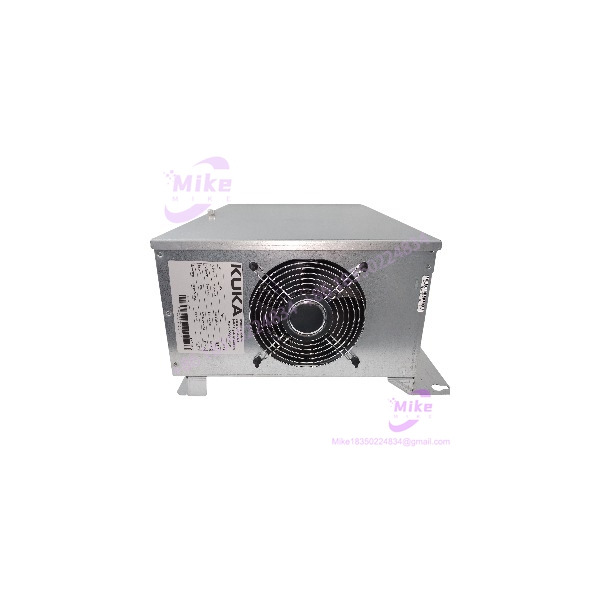
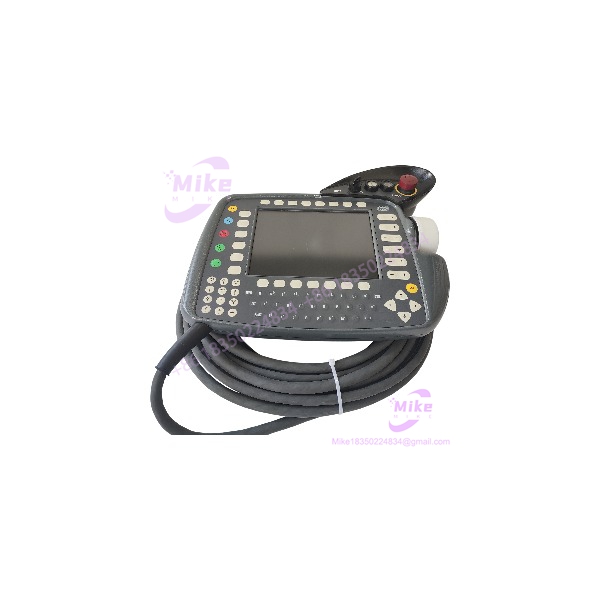
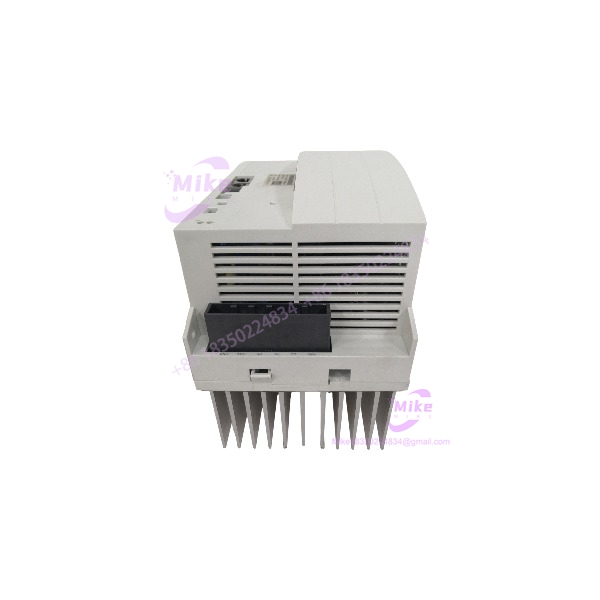
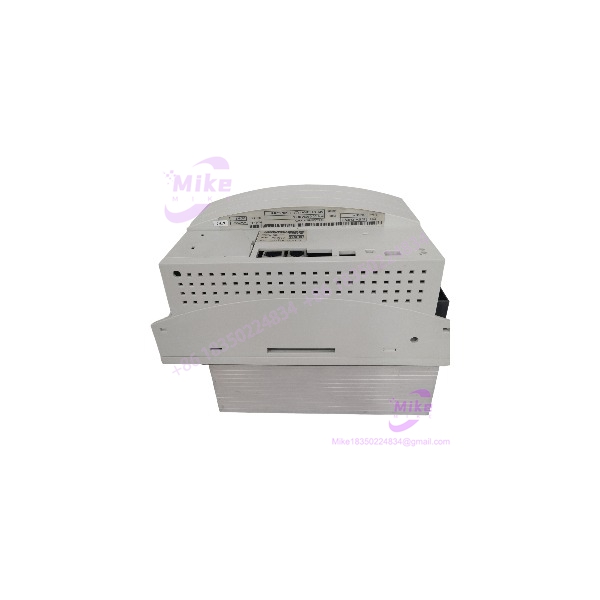
KUKA KSD1-48 | KR C2 Industrial Robot Servo Drive
Product Introduction
When a legacy KUKA robot develops a servo fault, the replacement drive has to match the installed motor and cabinet configuration—not simply the current class printed on the front. The KUKA KSD1-48 is a higher-current member of the KSD1 servo-drive family, commonly associated with KR C2-era robot controllers.
KUKA drive-family documentation identifies a 17 A rated current and 48 A maximum output current for the KSD1-48. A KUKA motor-data document also lists KSD1-48 configurations using a 560 V intermediate circuit. Distributor listings commonly cross-reference article 00-117-344, although other article numbers appear in the supply chain. Confirm the complete nameplate and applicable system documentation before ordering.
For maintenance and procurement teams, the KSD1-48 is a configuration-specific replacement or repair candidate. Verify the article number, hardware revision, motor/axis assignment, controller compatibility, and seller’s test scope before commissioning.
KSD1-48
Key Technical Specifications
- Manufacturer: KUKA
- Model: KSD1-48
- Common Article Number: 00-117-344
- Product Family: servo drive
- Product Type: Robot servo amplifier / drive module
- Application: KUKA industrial robot motion control
- Controller Association: Commonly listed for KR C2 systems
- Rated Current: 17 A, according to KUKA drive-family documentation
- Maximum Output Current: 48 A, according to KUKA drive-family documentation
- Intermediate-Circuit Voltage: 0–770 VDC listed for the family; verify the specific system and drive
- Output Voltage: Distributor records report up to 480 VAC; verify the actual unit and system documentation
- Output Frequency: Up to 480 Hz, distributor-reported
- Dimensions: Approximately 132 × 240 × 180 m a family listing
- Weight: Supplier listings vary; one source reports approximately 3 kg, while another reports 9.07 kg. Verify the physical unit and shipping weight
- Operating Temperature: A distributor lists 0 to 40°C; confirm the applicable KUKA manual and cabinet conditions
- Cooling: Verify the installed drive’s cooling arrangement and required cabinet airflow
KUKA drive-family data and supplier catalogs do not always use identical rating conventions. Treat the exact nameplate and applicable KUKA documentation as controlling for electrical installation and replacement decisions.
Global Sourcing & Live-Test SOP
A used or refurbished should be purchased against documented identity and test evidence. “Powers on” is not equivalent to verified servo performance under load.
5.1 Inbound Verification
- Photograph the complete nameplate and all identification labels.
- Confirm and compare the article number with the machine’s original drive.
- Record serial number, hardware revision, and any repair or refurbishment markings.
- Inspect the housing, heat sink, mounting points, and cooling passages.
- Check connectors for bent contacts, oxidation, cracked housings, or signs of previous repair.
- Inspect for moisture, corrosion, contamination, and heat discoloration.
- Request the seller’s condition classification and written test scope.
- Confirm whether the sale includes only the drive or any additional components.
5.2 Controlled Power-Up
- Use the applicable KUKA service procedure and an approved test setup.
- Verify DC-link and auxiliary supply requirements against the actual nameplate and system documentation.
- Inspect the unit before energizing; do not apply power to a drive with damaged connectors or visible contamination.
- Record startup behavior, status indications, and fault codes.
- Do not bypass cabinet interlocks or improvise a high-voltage test arrangement.
5.3 Functional and Configuration Diagnostics
- Confirm the drive’s intended cabinet position and axis assignment.
- Verify compatibility with the installed robot controller, motor, feedback system, and drive architecture.
- Inspect applicable power, motor, feedback, and control connections.
- Where an approved test rig is available, test with a suitable motor and representative operating conditions.
- Record diagnostic results and recurring faults.
- Do not declare the unit production-ready based solely on a no-load power-up.
5.4 Extended Heat Run
Where the equipment and approved procedures permit, conduct an extended functional run under representative conditions.
Monitor and record:
- Drive status and fault history
- Motor/output behavior
- Cooling performance
- Abnormal temperature rise
- Unexpected resets or trips
- Connector and terminal stability
Record test duration, test configuration, drive identification, observed faults, and final result. Do not claim a 24-hour heat run unless it was completed and documented.
5.5 Final Preparation and Shipment
- Preserve all original labels and identification marks.
- Record the tested configuration and test date.
- Photograph the unit before packing.
- Protect connectors and exposed electronics with ESD-safe packaging.
- Use cushioning that prevents impact to the housing, heat sink, and connector areas.
- List only the accessories actually included.
- Clearly distinguish tested, repaired, refurbished, and untested surplus condition.
Field Engineer’s Pitfall Guide
❗ Do not treat 48 A as a continuous motor-current rating
KUKA documentation identifies 48 A he maximum output current, while the rated current is listed as 17 A. Do not use the maximum-current figure as a continuous operating rating or assume it applies identically across all operating conditions.
❗ Verify the actual DC-link voltage before handling the drive
family documentation references high-voltage intermediate circuits. Isolate the cabinet and follow the applicable KUKA DC-bus discharge and verification procedure before handling or replacing the module. Never rely on elapsed time alone to establish that the DC link is safe.
❗ Do not assume -16, -3nd are interchangeable
The models differ in current class and may be assigned to different motors or axes. Confirm the complete article number, motor/axis configuration, controller compatibility, and applicable KUKA documentation before substitution.
Intent-Driven FAQ
What is thKA ?
ThKA is a legacy servo-drive module used in KUKA robot motion-control systems, commonly associated with KR C2-era cabinets.
What is the article number fhe ?
Article 00-117-344 is a common cross-reference. Other article numbers may appear for different versions or sourcing records, so verify the complete number printed on the actual unit.
What ahe current ratings?
KUKA drive-family data lists 17 A rated current and 48 A maximum output current. The maximum-current figure should not be interpreted as a continuous rating.
Is thKA obsolete?
he is a legacy drive, and current procurement commonly relies on surplus, refurbished, or repair channels. Confirm availability, condition, warranty terms, and test scope directly with the seller.
Can I replace a -32 a ?
Do not assume direct interchangeability. The higher maximum-current class does not establish compatibility with the installed motor, axis, controller, or cabinet. Verify the exact configuration using KUKA documentation.
he hot-swappable?
Do not assume it is. Treat replacement as a power-off maintenance task and follow the applicable KUKA isolation and DC-link discharge procedure. Use a live-replacement procedure only if the exact system documentation explicitly permits it.
What should I request before buying ed ?
Request clear nameplate and connector photos, complete article number, serial number, hardware revision, condition classification, and written test details. For a production replacement, confirm compatibility with the target robot cabinet, motor, and axis configuration.
Bottom Line for Buyers
The , commonly cross-referenced to 00-117-344, is a higher-current legacy robot servo drive used in KUKA motion-control systems. Its replacement suitability depends on verified electrical ratings, hardware identity, and the target robot’s motor/axis configuration.
Before purchase, obtain the complete nameplate, confirm the article number and revision, and ask what functional testing was performed. For a machine-critical application, validate the candidate drive against the original cabinet and applicable KUKA documentation before commissioning.