Description
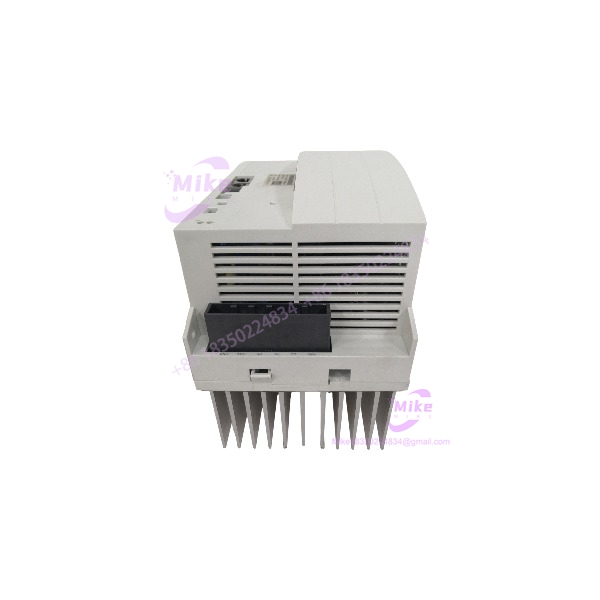
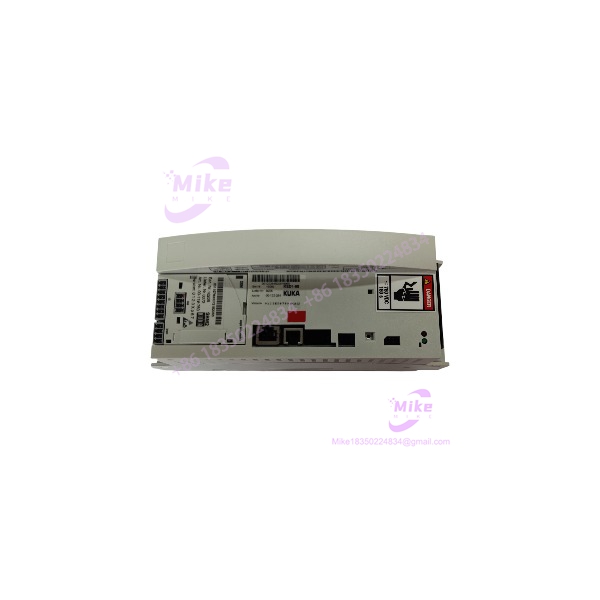
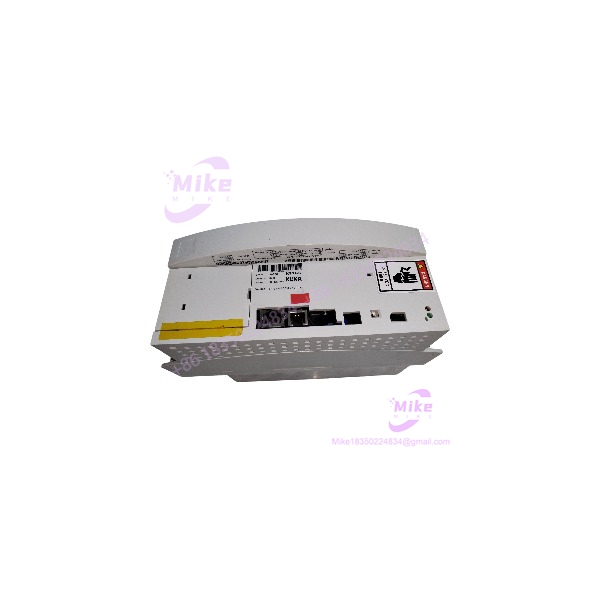
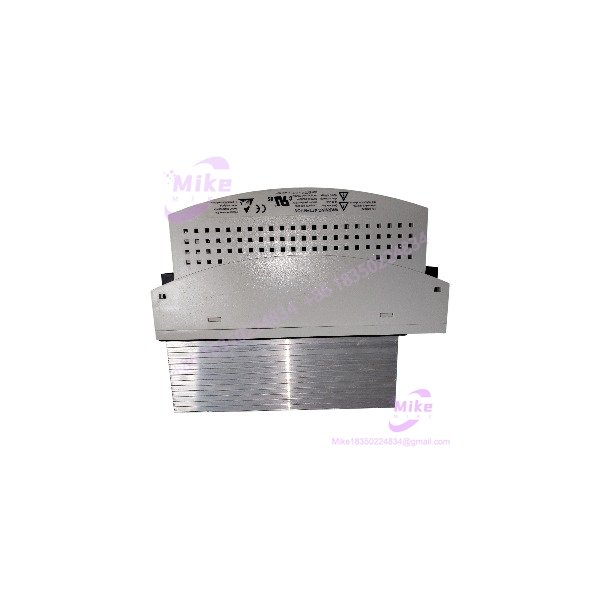
KUKA KSD1-32 | KR C2 Industrial Robot Servo Drive
Product Introduction
A KUKA servo-drive replacement is not a simple matter of matching the front label. The drive must suit the motor, axis assignment, cabinet architecture, and controller configuration already installed on the robot.
The KUKA KSD1-32, commonly cross-referenced to article 00-122-286, is a legacy servo-drive module used in KUKA robot motion systems. KUKA motor-data documentation references KSD1-32 configurations with a 32 A maximum-current parameter and a 560 V intermediate circuit. Distributor records for article 00-122-286 publish different input/output current figures, so the exact rating should be verified against the nameplate and applicable documentation before procurement.
For maintenance and surplus sourcing, treat the KSD1-32 as a configuration-dependent replacement component. Confirm the article number, hardware revision, motor/axis requirements, and controller compatibility before installation or commissioning.
KSD1-32
Key Technical Specifications
- Manufacturer: KUKA
- Model: KSD1-32
- Common Article Number: 00-122-286
- Product Family: KSD1 servo drive
- Product Type: Robot servo amplifier / drive module
- Application: KUKA industrial robot motion control
- Controller Association: Commonly listed for KR C2-era systems; verify the target cabinet configuration
- Maximum-Current Configuration: 32 A referenced in KUKA motor-data documentation
- Intermediate-Circuit Voltage: 560 V referenced in KUKA motor-data examples
- Input Voltage: Supplier listing for article 00-122-286 reports 2-phase 0–565/675 VDC
- Output Voltage: Supplier listing reports 3-phase 0–400/480 VAC
- Output Frequency: Supplier listing reports 0–480 Hz
- Current Ratings: Supplier-published input/output figures differ from KUKA motor-data configuration values; confirm the exact unit’s rating
- Mounting: Cabinet-installed drive module
- Cooling: Verify the drive’s cooling arrangement and cabinet requirements
- Dimensions / Weight: Confirm against the exact hardware revision and physical unit
The KSD1-32 designation alone is not sufficient to establish every electrical rating. The KUKA motor-data documentation describes application-specific motor/drive combinations, while distributor records may present ratings using different conventions.
Global Sourcing & Live-Test SOP
For a used or refurbished , a seller’s “tested” label should be backed by a defined test scope. A basic power-up does not establish compatibility with the target robot axis.
5.1 Inbound Verification
- Photograph the complete nameplate and all identification labels.
- Confirm and compare the article number with the original drive.
- Record the serial number, hardware revision, and any repair/refurbishment markings.
- Inspect the housing, heat sink, mounting points, and cooling passages.
- Check connectors for bent contacts, oxidation, cracked housings, or signs of prior repair.
- Inspect for moisture, corrosion, contamination, and heat discoloration.
- Request the seller’s written condition classification and test report.
- Confirm whether the sale includes only the drive or any additional components.
5.2 Controlled Power-Up
- Use the applicable KUKA service procedure and an approved test setup.
- Verify the DC-link and auxiliary supply requirements against the actual nameplate and system documentation.
- Inspect the unit before energizing; do not power a drive with damaged connectors or visible contamination.
- Record startup behavior, status indications, and fault codes.
- Do not bypass cabinet interlocks or improvise a high-voltage test arrangement.
5.3 Functional and Configuration Diagnostics
- Confirm the drive’s intended cabinet position and axis assignment.
- Verify compatibility with the installed robot controller, motor, feedback system, and drive architecture.
- Inspect the applicable power, motor, feedback, and control connections.
- Where an approved test rig is available, test with a suitable motor and representative operating conditions.
- Record diagnostic results and recurring faults.
- Do not declare the unit production-ready based solely on a no-load power-up.
5.4 Extended Heat Run
Where the equipment and approved procedures permit, conduct an extended functional run under representative conditions.
Monitor and record:
- Drive status and fault history
- Motor/output behavior
- Cooling performance
- Abnormal temperature rise
- Unexpected resets or trips
- Connector and terminal stability
Record test duration, test configuration, drive identification, observed faults, and final result. Do not claim a 24-hour heat run unless it was completed and documented.
5.5 Final Preparation and Shipment
- Preserve all original labels and identification marks.
- Record the tested configuration and test date.
- Photograph the unit before packing.
- Protect connectors and exposed electronics with ESD-safe packaging.
- Use cushioning that prevents impact to the housing, heat sink, and connector areas.
- List only the accessories actually included.
- Clearly distinguish tested, repaired, refurbished, and untested surplus condition.
Field Engineer’s Pitfall Guide
❗ Do not assume all published current ratings are equivalent
KUKA motor-data configurations and distributor listings report different current figuror -related applications. Verify the exact unit’s nameplate and applicable documentation before using a current rating for engineering or replacement decisions.
❗ DC-link handling is a serious electrical hazard
he is used in a high-voltage drive architecture. Isolate the cabinet and follow the applicable KUKA DC-bus discharge and verification procedure before handling or replacing the module. Never rely on elapsed time alone to establish that the DC link is safe.
❗ Do not assume another model is a direct substitute
6, , and other family members may differ in current capability and application suitability. Confirm motor/axis compatibility, controller configuration, and the complete article number before substitution.
Intent-Driven FAQ
What is thKA ?
ThKA is a legacy robot servo-drive module used in KUKA motion-control systems. It supplies controlled motor power as part of the robot’s servo architecture.
What is the article number fhe ?
KA is commonly cross-referenced to article 00-122-286. Verify the number printed on the actual drive before purchasing.
he a 32 A drive?
KUKA motor-data documentation references a 32 A maximum-current configuratior applications. Distributor listings may publish different input/output current values depending on the rating basis. Confirm the specific drive’s nameplate and documentation rather than treating one figure as universal.
Is thKA obsolete?
he is a legacy drive, and current sourcing commonly involves surplus, refurbished, or repair channels. Confirm availability, condition, warranty terms, and test scope directly with the seller.
Can I replace a -16 a ?
Do not assume direct interchangeability. The drive must match the motor, axis configuration, controller, and electrical requirements. A higher-current designation does not by itself establish compatibility.
he hot-swappable?
Do not assume it is. Treat replacement as a power-off maintenance operation and follow the applicable KUKA isolation and DC-link discharge procedure. Only use a live-replacement procedure if the exact system documentation explicitly permits it.
What should I request before buying ed ?
Request clear nameplate and connector photos, the complete article number, serial number, hardware revision, condition classification, and written test details. For a production replacement, confirm compatibility with the target robot cabinet, motor, and axis configuration.
Bottom Line for Buyers
The , commonly cross-referenced to 00-122-286, is a legacy robot servo-drive module whose replacement suitability depends on verified electrical ratings and system configuration.
Before purchase, obtain the complete nameplate, confirm the article number and hardware revision, and ask what functional testing was performed. For a machine-critical application, validate the candidate drive against the original cabinet and motor/axis configuration before commissioning.