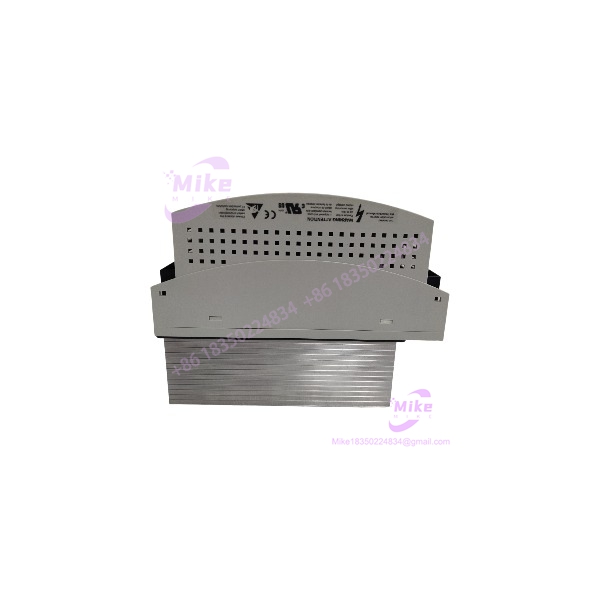
Description
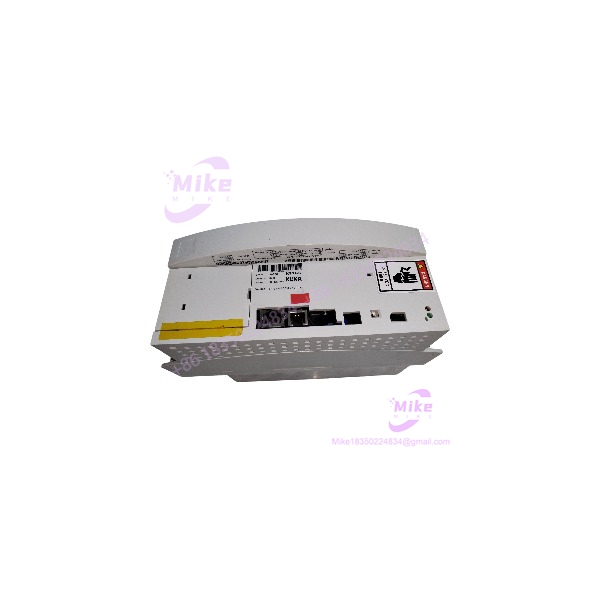
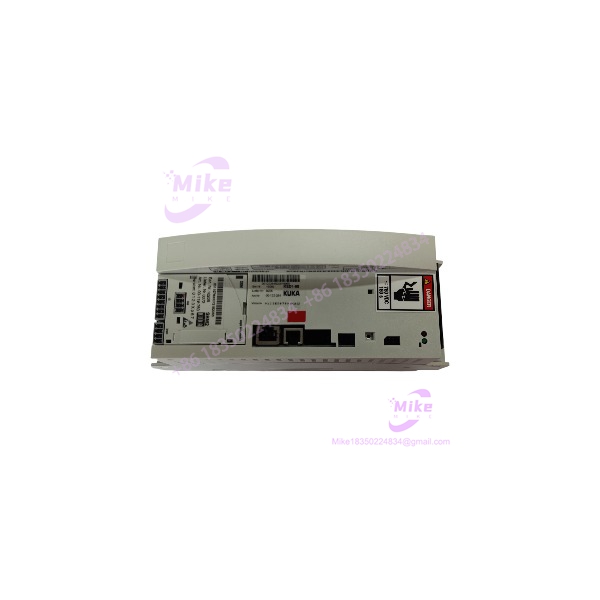
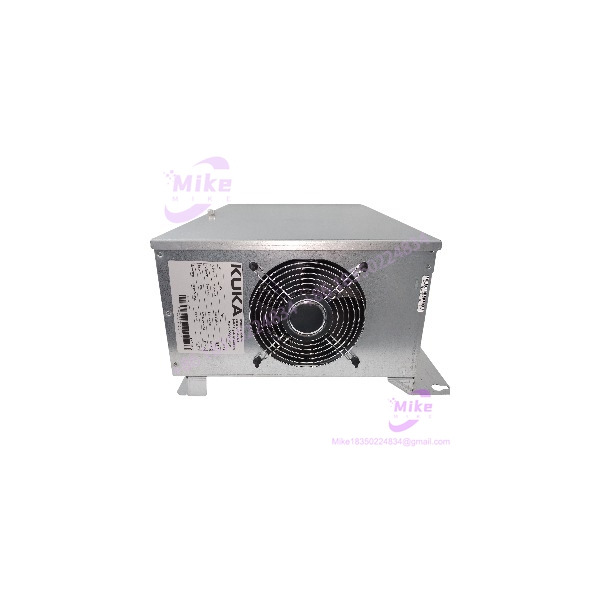
KUKA KSD1-16 | KRC2 Industrial Robot Servo Drive
Product Introduction
A KUKA robot cabinet can power up normally and still remain out of service because of a failed axis drive. The KUKA KSD1-16 is a servo-drive module used in the robot motion chain, where matching the replacement to the installed controller and motor configuration is essential.
The model is commonly cross-referenced to KUKA article 00-122-285. Distributor specifications identify an 8 A rated output and up to 16 A maximum output current. Published electrical details are not entirely consistent across supplier records, however, so procurement should be based on the drive’s complete nameplate and the machine’s existing configuration—not on the KSD1-16 label alone.
For maintenance teams supporting older KUKA robot systems, the KSD1-16 is best approached as a configuration-specific replacement or repair candidate. Verify the installed drive arrangement, motor/axis assignment, firmware and controller compatibility, and connector condition before installation.
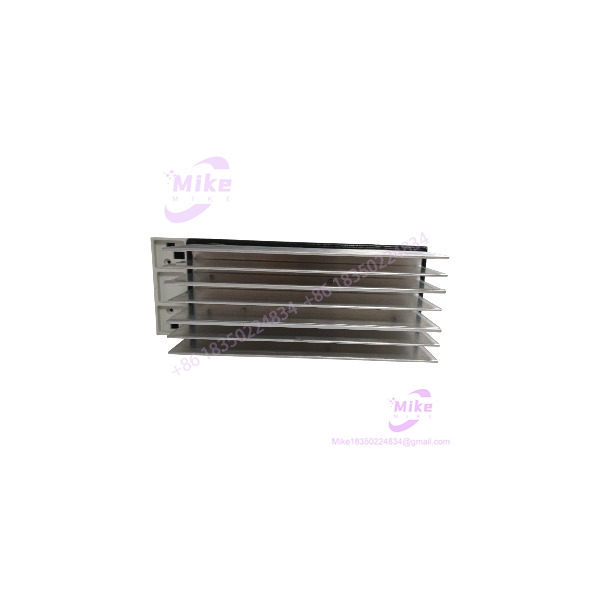
KSD1-16
Key Technical Specifications
- Manufacturer: KUKA
- Model: KSD1-16
- Common Article Number: 00-122-285
- Drive Type: Servo drive / servo amplifier
- Product Family: KSD1
- Application: Industrial robot motion control
- Controller Association: Commonly listed for KUKA KR C2 systems
- Rated Output Current: 8 A, distributor-reported
- Maximum Output Current: Up to 16 A, distributor-reported
- Input/DC-Link Voltage: Supplier records vary; verify the exact nameplate
- Output Phase: Three-phase AC
- Output Voltage: Listed as 0–400 VAC by one distributor
- Output Frequency: Listed up to 0–480 Hz
- Mounting: Cabinet-installed servo-drive module
- Cooling: Confirm the actual drive’s cooling arrangement and cabinet requirements
- Dimensions and Weight: Published values differ across supplier records; verify against the exact hardware revision
Supplier records list differing DC-link ranges and input-current values. These should not be treated as interchangeable ratings without checking the specific drive’s nameplate and applicable KUKA documentation.
Global Sourcing & Live-Test SOP
For a used or refurbished KUKA KSD1-16, a clean exterior is not proof of operational condition. Verify identity, configuration, and test evidence before approving the unit for a production robot.
5.1 Inbound Verification
- Photograph the complete nameplate and all visible labels.
- Confirm the model is and compare the article number with the machine’s original drive.
- Record serial number, hardware revision, and any repair or refurbishment labels.
- Inspect the housing, heat sink, mounting points, and cooling passages.
- Examine connectors for bent contacts, oxidation, cracked housings, or evidence of prior repair.
- Check for contamination, moisture, corrosion, or heat discoloration.
- Confirm whether the unit is sold as used, tested, refurbished, or repaired; request supporting test documentation.
- Do not assume a seller’s “tested” designation means the drive was tested under a representative motor load.
5.2 Controlled Power-Up
- Use the applicable KUKA service procedure and a qualified test setup.
- Verify the DC-link and auxiliary supply requirements against the actual nameplate and system documentation.
- Inspect the unit before energizing; do not apply power to a drive with damaged connectors or visible contamination.
- Confirm startup behavior and status indications.
- Record fault codes, abnormal sounds, or unexpected behavior.
- Do not improvise a high-voltage test arrangement or bypass protective interlocks.
5.3 Functional and Configuration Diagnostics
- Verify the drive’s intended cabinet position and axis assignment.
- Confirm compatibility with the robot controller, motor, feedback system, and installed drive architecture.
- Inspect applicable power, motor, feedback, and control connections.
- Where a suitable test rig is available, verify operation using an approved configuration and representative load.
- Record diagnostic results and any faults that recur during operation.
- Do not declare the unit production-ready based solely on a successful no-load power-up.
5.4 Extended Heat Run
Where equipment and approved procedures permit, perform an extended functional run under representative conditions.
Monitor and record:
- Drive status and fault history
- Output and motor behavior
- Cooling performance
- Abnormal temperature rise
- Unexpected resets or trips
- Connector and terminal stability
Record the test duration, test configuration, drive identification, observed faults, and final result. Do not advertise a 24-hour heat run unless it was actually completed and documented.
5.5 Final Preparation and Shipment
- Preserve all original labels and identification marks.
- Record the final tested configuration and test date.
- Photograph the unit before packing.
- Protect connectors and exposed electronics with suitable ESD-safe packaging.
- Use cushioning that prevents impact to the heat sink, housing, and connector areas.
- Include only the accessories explicitly listed in the sales scope.
- Clearly distinguish a tested drive from an untested surplus unit.
Field Engineer’s Pitfall Guide
❗ Do not select a replacement by model-family name alone
he designation does not establish every electrical, hardware, or controller compatibility detail. Compare the complete article number, nameplate, revision, and cabinet configuration before installation.
❗ DC-link voltage is a safety-critical verification point
Supplier specifications show differing DC-link ranges. Never infer the safe operating range from another variant or a generic product listing. Follow the applicable KUKA isolation and DC-bus discharge procedure before handling the drive.
❗ A successful power-up does not prove axis compatibility
A drive can energize without being correctly matched to the motor, feedback arrangement, axis assignment, or controller configuration. Verify the installed system data and perform an approved functional test before returning the robot to service.
Intent-Driven FAQ
What is thKA ?
ThKA is an industrial robot servo-drive module used in the robot motion-control chain. It is commonly associated with legacy KUKA KR C2 systems.
What is thKA article number?
The model is commonly cross-referenced to KUKA article 00-122-285. Verify the complete part number and nameplate on the unit being purchased.
What is the rated output current?
Distributor listings commonly report an 8 A rated output and up to 16 A maximum output current. Confirm the applicable rating against the specific drive’s documentation and nameplate.
he obsolete?
he is a legacy product, and distributor listings identify it as discontinued by the manufacturer. Replacement sourcing is therefore likely to depend on surplus, refurbished, or repair channels. Confirm current availability and condition directly with the seller.
Can I rep a with another -series drive?
Do not assume that another model is a direct substitute. Differences in current rating, hardware, axis application, and system configuration can affect compatibility. Verify the replacement against KUKA documentation and the original drive configuration.
he hot-swappable?
Do not assume it is. Treat replacement as a power-off maintenance task and follow the applicable KUKA procedure for isolation and DC-link discharge. Do not remove or install the drive while energized unless the exact system documentation explicitly permits the operation.
What should I request before buying ed ?
Request clear nameplate and connector photos, the complete article number, serial number, hardware revision, condition classification, and written confirmation of what was tested. For a production replacement, also verify controller and motor/axis compatibility.
Bottom Line for Buyers
The KA (commonly cross-referenced as 00-122-285) is a legacy robot servo drive used in KUKA motion-control systems. Its procurement value depends on verified identity, electrical ratings, condition, and compatibility with the target cabinet—not merely a matching model label.
Before purchase, request the complete nameplate, inspect the connector and housing condition, and confirm the seller’s test scope. For a machine-critical replacement, validate the drive against the original cabinet configuration and applicable KUKA documentation before commissioning.