

Description
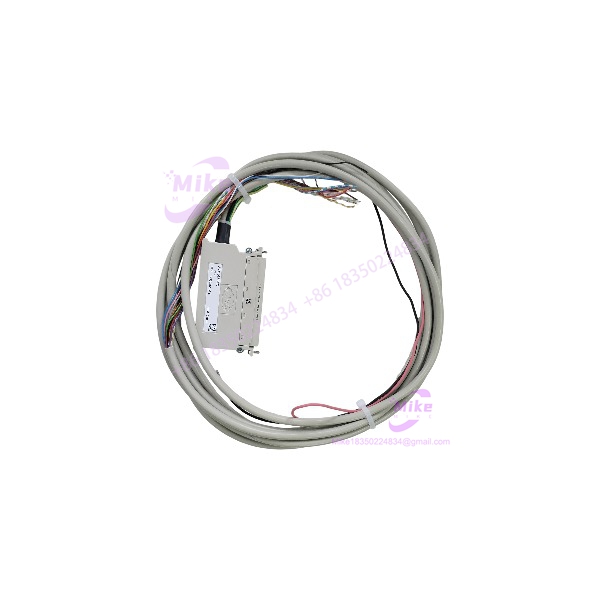
HIMA Z7116 | Safety System Relay Output Module In-Stock
Dynamic Product Introduction
Having pulled failed output cards from emergency shutdown (ESD) racks at 3:00 AM while production managers breathe down your neck, you quickly learn that relay contact wear is the silent killer of safety instrumented systems. The HIMA Z7116 sits right at that critical boundary where digital logic commands physical field actuators. Built specifically for HIMA legacy safety architectures, it translates low-voltage internal processor commands into robust dry-contact switching without allowing noise or high-voltage surges to bleed back into the CPU rack.
Field engineers frequently source the HIMA Z7116 during plant turnarounds to replace legacy units showing high contact resistance or coil degradation. Unlike standard commercial relay cards, this unit incorporates dual-channel internal monitoring logic that cross-checks contact states against driver commands. Replacing an aging card with a factory-tested module instantly restores loop integrity, eliminating phantom trips that pull down entire processing units.
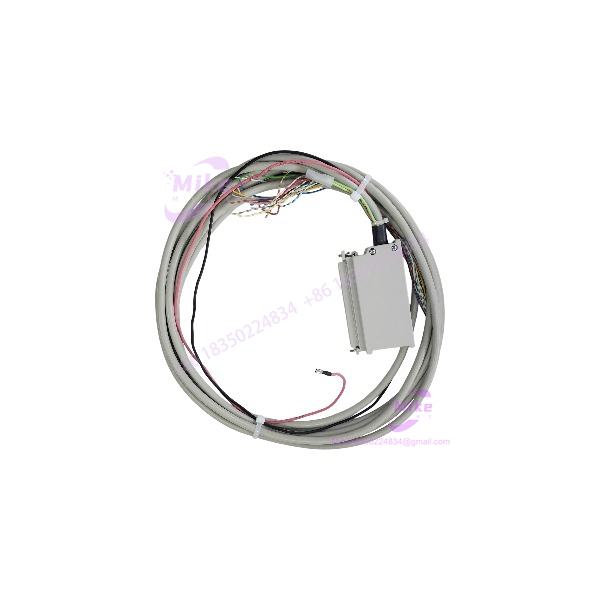
Z7116
Key Technical Specifications
- Model Number: Z7116
- Manufacturer: HIMA
- System Compatibility: H41q, H51q, H7000 Series
- Number of Channels: 16 individual relay outputs
- Channel Isolation: Galvanic separation between channels and backplane
- Nominal Operating Voltage: 24 VDC
- Maximum Switching Current: 2 A per channel (resistive load)
- Safety Integrity Level: Capable of SIL 3 applications (IEC 61508)
- Response Time: Under 10 ms off-delay for immediate trip execution
- Backplane Current Draw: ~350 mA at 5 VDC
- Operating Temperature: 0°C to +60°C (32°F to 140°F)
- Storage Temperature: -40°C to +85°C (-40°F to 185°F)
Global Sourcing & Live-Test SOP (Transparency Core)
Procuring surplus safety instrumentation requires more than taking a supplier’s word at face value. Our warehouse team subjects every incoming module to a strict five-stage diagnostic protocol before it gets staged for shipment.
- Inbound Verification: Upon unboxing, we trace all serial numbers against original manufacturer batch logs to filter out counterfeit or modified boards. The PCB is inspected under magnification for hairline trace fractures, thermally stressed resistors, and relay housing degradation.
- Live Simulation: The module is inserted into an authentic HIMA backplane powered by an OEM power supply assembly. We load a dedicated testing routine to cycle every channel sequentially.
- Diagnostics: Each channel on the HIMA Z7116 undergoes a full-scale load test using a calibrated Fluke digital multimeter to measure contact resistance across all 16 output circuits. We run a 24-hour heat run at maximum rated switching capacity inside a temperature chamber to ensure no thermal drift occurs in the coil drivers.
- Final Prep: Once logic verification passes, the current firmware and hardware revision indices are documented on the QC certificate. The board is then packed into a static-shielding bag and sealed in high-density foam housing for global freight transit.
The Field Engineer’s Pitfall Guide
- ❗ Firmware and Backplane Bus Revision Limits: —though you might assume any relay card fits any rack, backplane timing parameters vary across sub-models. Swapping an older revision of the HIMA Z7116 into an upgraded chassis without verifying slot addressing can trigger immediate rack fault codes and lock the central processor into a hardware stop.
- ❗ Missing Keying Pins and Jumper Settings: Visual checks are non-negotiable. I’ve seen technicians force a replacement card into a keyed slot, damaging the rear pin assembly because they failed to realign the physical coding pegs on the backplane connector. Always compare the physical slot keying with your original HIMA Z7116 layout before applying seating pressure.
- ❗ Inductive Load Suppression Blindness: Connecting unfiltered inductive loads (such as heavy solenoid valves or motor starters) directly to the relay terminals will cause arcing across the contacts. This dramatically accelerates contact welding or carbon buildup, leading to premature channel failure. Ensure external RC snubbers or flyback diodes are installed at the load side.
Intent-Driven FAQ
Will inserting a new card trigger a master CPU fault?
If you hot-swap the module without disabling channel monitoring in the system software, the central controller will instantly detect a missing module or circuit mismatch, causing an alarm state. Always put the specific loop into bypass or pull the system into a controlled maintenance state before replacing the card.
Can I drop the HIMA Z7116 directly into a SIL 3 safety loop without re-certification?
Yes, provided the replacement card carries identical hardware revisions and passes a complete proof-test loop checkout after installation. You must document the card swap in your plant’s Management of Change (MOC) tracking system to maintain functional safety compliance.
How do I verify if a relay channel on the card has failed closed?
Disconnect field wiring and use a multimeter set to continuity mode across the output terminals while power is removed from the card. Because these are fail-safe contacts designed to drop open on power loss, any low resistance reading across an unpowered channel indicates a welded relay contact.
What causes phantom channel faults when field wiring checks out okay?
Intermittent channel errors are often caused by oxidized backplane connector pins rather than the onboard relays. Cleaning the gold fingers of the HIMA Z7116 with isopropyl alcohol and an ESD-safe brush usually resolves transient communication dropouts across the bus.
What kind of warranty covers surplus and field-tested modules?
All tested units come with a comprehensive 1-year replacement warranty. If a channel fails diagnostic validation or develops coil faults during normal operational conditions within twelve months, the unit is replaced directly from verified inventory stock.





