

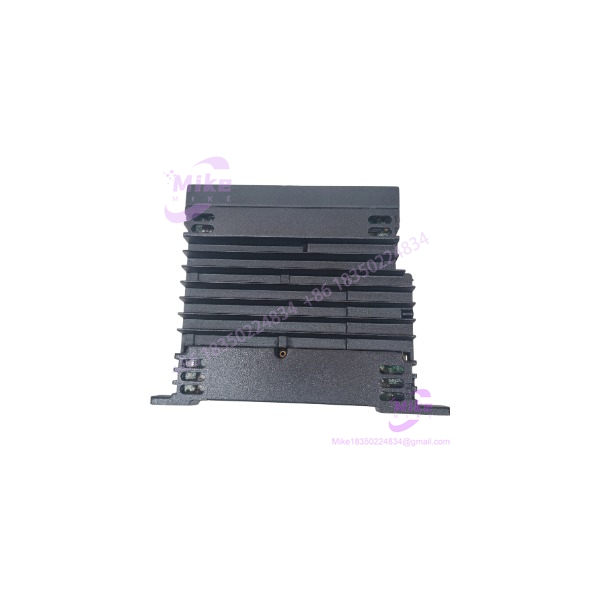
Description
GE IS220UCSAH1A | Mark VIe Controller Module
Product Introduction
A GE Mark VIe controller is a configured control-system asset, not a generic computer that can be swapped into service without preparation. The IS220UCSAH1A is a UCSA embedded controller used in GE’s Mark VIe control architecture. It executes application-specific control logic and communicates with distributed I/O over the controller’s Ethernet-based I/O networks.
GE documentation identifies the IS220UCSAH1A as a Mark VIe controller with a 667 MHz Freescale PowerQUICC II Pro processor. Supplier references also identify QNX Neutrino as its operating system and describe Ethernet connectivity for I/O and system communications. The controller’s installed software, application files, and network configuration are critical to its intended function.
For a replacement purchase, the primary question is not simply whether the board powers up. It is whether the hardware revision and software/configuration environment are appropriate for the installed Mark VIe application. A physically matching controller without the correct application configuration may not be ready for service.
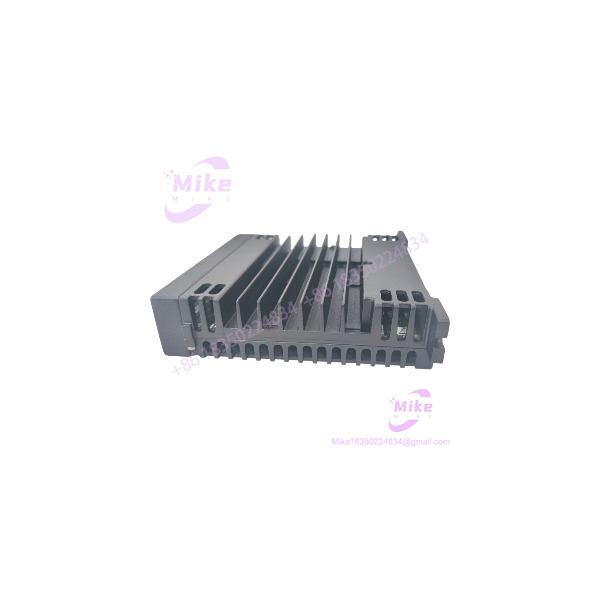
IS220UCSAH1A
Key Technical Specifications
- Manufacturer: General Electric
- Model: IS220UCSAH1A
- Functional Acronym: UCSA
- Product Family: Mark VIe / Mark VIeS
- Module Type: Embedded controller / processor
- Processor: Freescale PowerQUICC II Pro, 667 MHz
- Operating System: QNX Neutrino RTOS, per supplier documentation
- Memory: 256 MB DDR SDRAM, per supplier documentation
- Ethernet Connectivity: Multiple Ethernet interfaces; supplier references differ on port count, so verify the physical unit
- I/O Network: Ethernet-based IONet connectivity
- Control Software: ControlST / ToolboxST environment; exact release compatibility must be verified
- Mounting: Panel-mounted controller assembly
- Cooling: Convection-cooled assembly; maintain required clearance and airflow
- Power Input: Verify the applicable GE installation documentation and unit markings
- Application: GE turbine-control systems, with configuration dependent on the installed application
The processor identification is supported by GE documentation. Memory, operating system, port count, and other detailed configuration information should be verified against the applicable hardware revision and GE manual before being treated as guaranteed acceptance specifications.
Global Sourcing & Live-Test SOP
For a used or surplus GE IS220UCSAH1A, a successful power-up is only an initial screening result. Controller readiness depends on hardware condition, application configuration, and communication testing.
1. Inbound Verification
- Photograph the complete GE nameplate and all board markings.
- Confirm the exact IS220UCSAH1A part number.
- Record serial number, revision, and assembly identifiers.
- Inspect the enclosure, connectors, mounting points, and ventilation openings.
- Check for corrosion, contamination, heat discoloration, or evidence of prior repair.
- Inspect Ethernet and service-port connectors for damage.
- Record any included memory media, accessories, or configuration documentation.
- Compare the unit with the customer’s original controller and approved parts list.
2. Configuration and Compatibility Review
- Confirm the installed Mark VIe or Mark VIeS system architecture.
- Verify that the controller model and revision are approved for the intended application.
- Check the required ControlST/ToolboxST release and application software.
- Confirm the controller’s network configuration and IONet assignments.
- Verify the intended simplex, dual, or TMR arrangement.
- Establish whether the required application files and configuration backups are available.
- Do not assume a controller from another turbine or installation is ready to load into service without configuration review.
3. Controlled Power-Up and Functional Testing
Testing should be performed by qualified personnel using an appropriate GE-compatible test arrangement.
- Inspect the controller and connectors before applying power.
- Confirm the correct supply and wiring arrangement from GE documentation.
- Monitor startup and available diagnostic indicators.
- Verify Ethernet link status and communication using a suitable test network.
- Check service interfaces where applicable.
- Confirm controller diagnostics and software/configuration status.
- Record the test environment, observed behavior, and any faults.
Do not connect an unverified controller directly to an operating turbine simply to determine whether it boots.
4. Extended Run and Diagnostics
Where a suitable test setup is available, perform an extended powered run appropriate to the controller and intended application.
Monitor:
- Startup consistency
- Controller diagnostic status
- Ethernet and IONet communication
- Unexpected resets
- Application/configuration faults
- Abnormal heating
- Connector and mounting integrity
Record the test duration, hardware revision, software/configuration information, and results. Do not claim full operational testing unless the completed test scope supports that statement.
5. Final Preparation
- Record the exact model, revision, and serial number.
- Photograph the controller before packaging.
- Preserve available diagnostic and test records.
- Use ESD-safe packaging.
- Protect connectors and the enclosure against impact.
- Clearly disclose whether the unit is new surplus, used, refurbished, tested, or untested.
- State whether application software, configuration files, or accessories are included.
Field Engineer’s Pitfall Guide
❗ Hardware compatibility does not guarantee application compatibility
The requires the appropriate Mark VIe application and configuration environment. Confirm the required software release, application files, and controller configuration before replacement. A controller that boots is not necessarily ready to assume the original machine’s control role.
❗ Do not rely on inconsistent port-count or memory claims
Supplier listings vary in their reported Ethernet-port counts and detailed hardware specifications. Inspect the actual and use the applicable GE documentation to establish its interface configuration. Do not use an unverified reseller specification as a wiring or commissioning reference.
❗ Confirm the controller’s role in the installed redundancy architecture
Mark VIe systems can be configured for simplex, dual, or TMR operation. The correct replacement must match the approved controller arrangement and application configuration. Do not assume that a controller pulled from a different system can be installed without engineering review.
Intent-Driven FAQ
What is the GE ?
The is a GE Mark VIe UCSA embedded controller. It executes application-specific control logic and communicates with distributed I/O through the Mark VIe control architecture.
What processor does the use?
GE documentation identifies a 667 MHz Freescale PowerQUICC II Pro processor for the .
Is the a PLC I/O module?
No. It is a controller/processor module, not a conventional analog or discrete I/O pack. Its role is application processing and control-system communication.
What software does the use?
Supplier documentation identifies QNX Neutrino RTOS and the GE ControlST/ToolboxST environment. The installed software release and application configuration should be verified against the specific controller and system.
Can the replace another GE UCSA controller?
Do not assume interchangeability based on the UCSA family name alone. Confirm the complete part number, revision, software requirements, and approved replacement path for the installed Mark VIe configuration.
Is the hot-swappable?
Do not assume it is hot-swappable. Treat replacement as a controlled maintenance operation under the plant’s approved procedure. Follow GE and site-specific instructions for controller isolation, removal, configuration, and commissioning.
What should I verify before purchasing?
Confirm the complete model, hardware revision, physical condition, software/configuration status, included accessories, and test status. Request clear nameplate and connector photographs. For a production turbine, verify the controller against the installed Mark VIe configuration before ordering.
Bottom Line for Buyers
The is a Mark VIe UCSA embedded controller used in GE turbine-control applications. Its replacement value depends on exact hardware identification, software/configuration compatibility, and verified operating condition.
Before purchasing, request clear nameplate and board photographs, confirm the complete part number and revision, and establish whether the controller has been functionally tested. Treat software and application compatibility as a separate procurement checkpoint—not an assumption based on a matching label.





