

Description
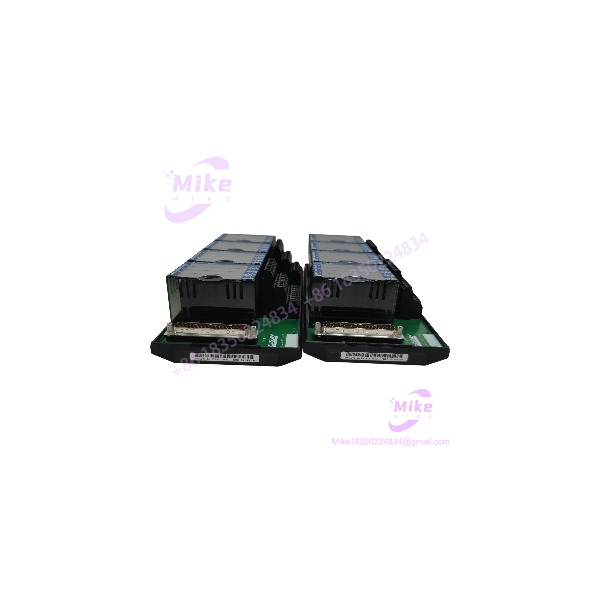
Foxboro RH916YY | Termination Assembly for FBM242 Modules
Dynamic Product Introduction
Instrumentation engineers and DCS maintenance technicians managing Foxboro I/O subsystems know how vital reliable signal termination and heavy-duty relay switching are for discrete output control loops. When a termination assembly linked to a 16-channel discrete output FBM suffers terminal block mechanical damage, degraded relay sockets, or trace burnout, replacing the unit with an exact part number match ensures field wiring continuity without requiring a complete cabinet rewire.
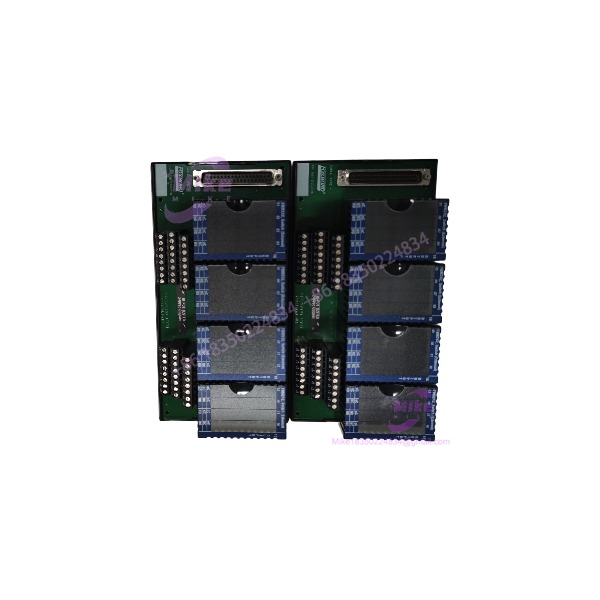
The Foxboro RH916YY is a specialized Termination Assembly engineered to interface directly with the FBM242 (16-Channel Externally Powered Discrete Output Module). Mounted on standard DIN rail inside the I/O cabinet, the RH916YY receives control signals from the baseplate via structured interconnect cabling and routes them securely to field actuators, solenoid valves, or motor control relays using robust compression screw connections.
RH916YY
Key Technical Specifications
- Module Classification: Discrete Output Field Signal Termination Assembly (TA)
- Associated FBM Module Compatibility: Foxboro FBM242 (16-Channel Externally Powered Discrete Output Module)
- Channel Capacity: 16 channels of discrete output control with relay switching support
- Termination Type: Heavy-duty compression screw terminal blocks
- Interconnection Interface: Multi-conductor D-subminiature socket connecting via Type 4 multi-conductor cables from the FBM baseplate
- Mounting Configuration: DIN rail mountable (compatible with standard industrial DIN rail profiles)
- Operating Temperature Range: -20 °C to +70 °C industrial cabinet rating
Global Sourcing & Live-Test SOP (Transparency Core)
Sourcing replacement DCS termination assemblies requires strict electrical isolation, loop continuity, and terminal block mechanical verification.
Inbound Verification & Traceability
- Paperwork Audit: Verification of part number tags, manufacturer identification, and manufacturing traceability against Foxboro quality documentation.
- Physical Inspection: Comprehensive examination of molding integrity, DIN rail latching clips, terminal block screw threads, and D-sub connector pins for signs of mechanical wear, bending, or corrosion.
Live Bench Simulation & Diagnostics
- Terminal Continuity Check: Using a digital multimeter to verify 1:1 pin-to-terminal continuity from the D-sub connector through to each individual field screw terminal across all 16 channels.
- Isolation Resistance Test: Applying a high-voltage insulation test between adjacent terminal blocks and chassis ground to confirm complete galvanic separation and zero leakage current.
Final Prep
- Terminal Cleansing: Ensuring all screw terminals are clear of wire debris and torqued to baseline position.
- ESD & Protective Packaging: Sealed in anti-static shielding bags with moisture-absorbing desiccant packs before double-boxed shipping.
Electrical Shock and Process Interlock Warning
Always isolate external power supplies and lock out associated field actuators before working on the RH916YY termination assembly. Disconnecting terminal blocks or interconnection cables while auxiliary loop power is active can cause unintended equipment motion, process trips, or electrical shock hazards.
The Field Engineer’s Pitfall Guide
- ❗ Over-Torquing Compression Terminals: When connecting field signal wires to the RH916YY screw terminals, avoid excessive torque. Over-tightening can strip the brass insert threads or shear fine-stranded copper wires, resulting in intermittent open-circuit faults under cabinet vibration.
- ❗ Mismatched FBM Pairings: Verify that the RH916YY termination assembly is strictly paired with its intended companion module (FBM242). Using an incompatible TA for analog or standard digital input modules can result in mismatched pin assignments and potential hardware damage.
- ❗ External Inductive Load Suppression: The FBM242 / RH916YY combination drives discrete outputs that frequently connect to inductive loads (solenoids, motor starter coils). Always install adequate freewheeling diodes (for DC loads) or MOVs (for AC loads) across field device coils to prevent back-EMF spikes from damaging internal switching components.
Intent-Driven FAQ
Will swapping out the RH916YY termination assembly require software configuration changes?
No. The RH916YY is a passive field wiring and termination component. Replacing a damaged assembly with an identical unit requires no changes to the Foxboro control configuration or software database.
What causes a discrete output channel to fail or drop out on this assembly?
Common causes include loose field wiring screw connections, corroded terminal contacts due to moisture ingress, damaged interconnection cables between the TA and the FBM baseplate, or internal trace damage from historic overcurrent events.
Can field wires remain connected during an RH916YY replacement?
Depending on cabinet layout and terminal block design, many Foxboro TAs feature modular or plug-in terminal block structures, allowing you to swap the base module while preserving field wiring—provided all external power is fully locked out first.
What is the role of the FBM242 module relative to the RH916YY?
The FBM242 is the intelligent 16-channel discrete output processor module located on the baseplate, while the RH916YY is the DIN-rail mounted termination assembly that physically breaks out those lines to field instrumentation wiring terminals.
What warranty coverage is provided on replacement hardware?
All verified Foxboro RH916YY replacement termination assemblies include a standard 12-month full-replacement warranty covering terminal block integrity, internal board traces, and connector reliability.





