Description
Yokogawa KS1-10-B | RAMC Rotameter Limit Switch
Product Introduction
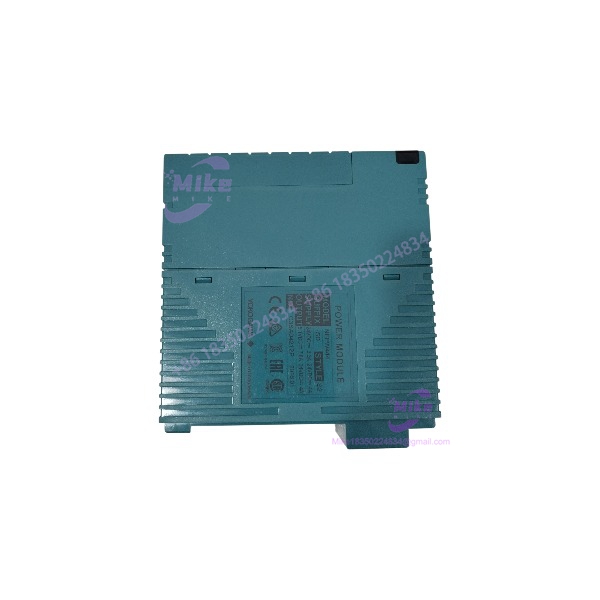
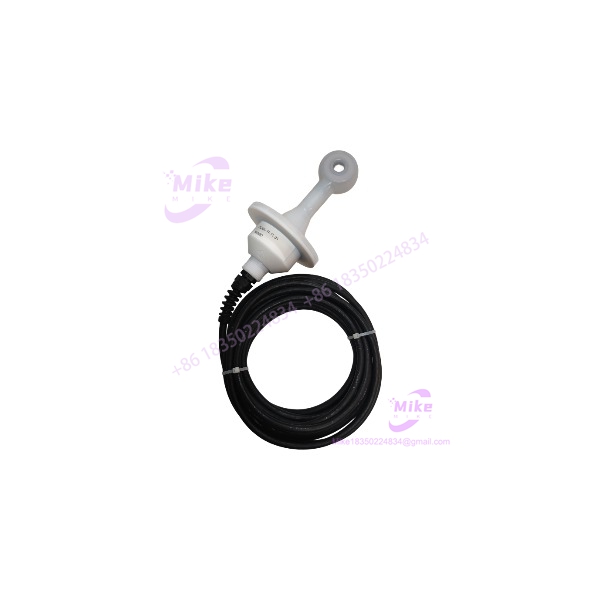
For a flow instrument, a limit switch serves a different purpose from the transmitter: it provides a discrete indication when the float reaches a preset position. The hyphenated Yokogawa KS1-10-B appears in a surplus catalog as a RAMC rotameter limit-switch option. That identification is not interchangeable with the similarly named KS1-10*B signal cable used in Yokogawa I/O systems.
Yokogawa’s RAMC product family supports optional limit switches and hazardous-area configurations. However, the exact KS1-10-B ordering code, contact ratings, and certification details should be verified against the installed flowmeter’s complete model code and original documentation before ordering.
KS1-10-B
Key Technical Specifications
- Model / Part Number: KS1-10-B
- Manufacturer: Yokogawa
- Associated Product Family: RAMC variable-area flowmeter
- Component Category: Limit-switch / alarm-contact option
- Reported Switch Type: Reed switch
- Reported Contact Function: Discrete limit/alarm indication
- Reported Output: Dry contact
- Switch Setpoint: Must be confirmed from the actual assembly and instrument configuration
- Electrical Contact Rating: Not independently verified for KS1-10-B
- Hazardous-Area Rating: Ex ia IIC T6 is reported by a third-party catalog; verify certification applicability
- Mounting: RAMC instrument-mounted option, subject to exact model compatibility
- Wiring / Termination: Confirm from the exact instrument and switch documentation
- Operating Temperature: Not independently verified for this exact option code
- Compatibility: Confirm against the RAMC model, switch arrangement, and instrument ordering code
- Supplied Accessories: Not established; confirm whether mounting or connection hardware is included
Specification note: Yokogawa’s RAMC documentation confirms the availability of limit-switch options and associated hazardous-area requirements, but the available evidence does not independently establish every rating for the exact -B code. Do not infer a contact rating or safety approval from the family name alone.
Global Sourcing & Live-Test SOP
5.1 Inbound Verification
- Photograph the full part label and any instrument-specific tags.
- Confirm whether the requested item is or .
- Record the complete RAMC flowmeter model and option code, if applicable.
- Inspect the switch housing, mounting features, wiring terminals, and connector interfaces.
- Check for corrosion, cracked insulation, damaged contacts, or signs of previous repair.
- Request the original instrument documentation and any hazardous-area certification records.
- Confirm whether the seller is supplying the switch option alone or a larger flowmeter assembly.
5.2 Mechanical Inspection
- Compare mounting features with the original installed switch.
- Check for bent brackets, loose fasteners, damaged housings, or missing parts.
- Confirm the switch can be positioned and secured according to the instrument documentation.
- Do not modify the switch mounting or float mechanism to force a fit.
5.3 Electrical and Functional Verification
- Obtain the correct Yokogawa RAMC documentation before testing.
- Verify the contact type and electrical rating from the exact switch documentation.
- Do not apply an assumed voltage to unidentified terminals.
- Use an appropriate low-energy continuity test only where permitted by the applicable procedure.
- Verify switching behavior at the documented setpoint using a compatible test arrangement.
- Record the measured results and the equipment used.
5.4 Hazardous-Area Review
- Confirm the exact certification and entity parameters for the installed option.
- Verify the associated instrument configuration and approved interface/barrier requirements.
- Do not rely on a generic Ex ia IIC T6 description as proof that the complete installed loop is compliant.
- Preserve certification and traceability records for the instrument and switch assembly.
5.5 Final Preparation
- Photograph the inspected assembly.
- Preserve original labels and certification markings.
- Use suitable protective packaging.
- Include inspection findings and available documentation.
- Clearly identify the condition as new, used, refurbished, or untested.
- Do not claim hazardous-area approval, calibration, or functional testing unless supported by documentation.
Field Engineer’s Pitfall Guide
❗ Do not confuse the limit-switch option with the *B signal cable
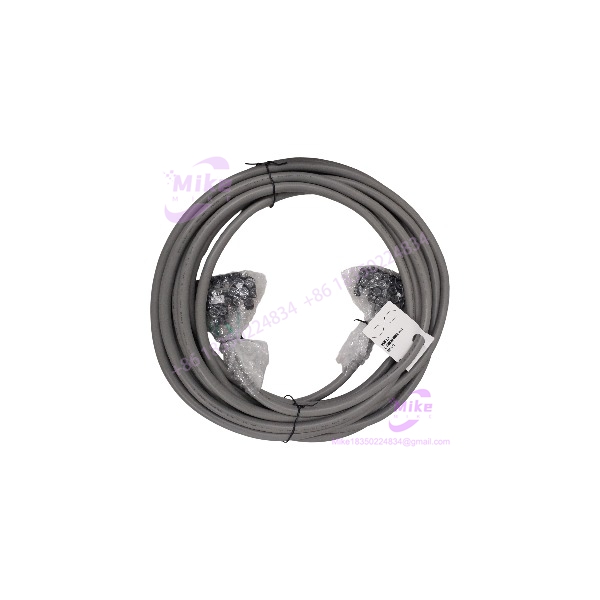
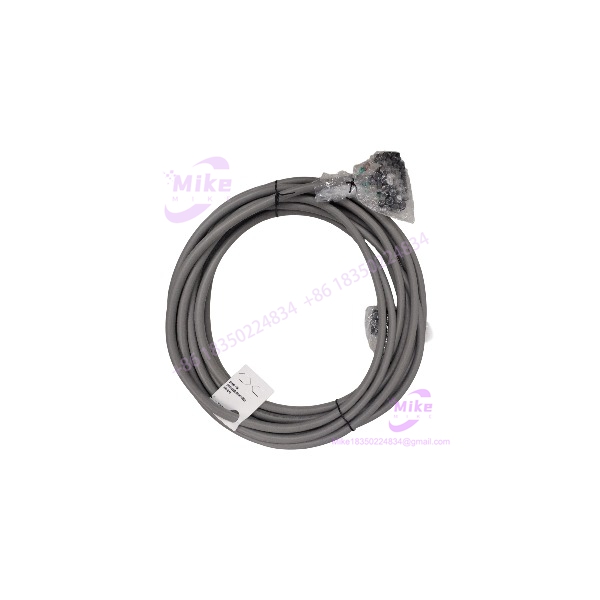
Yokogawa’s is a 40-pin-to-40-pin signal cable. The hypd is separately listed as a RAMC limit-switch option. Confirm the punctuation and the physical component before placing the order.
❗ Do not assume hazardous-area suitability from a seller’s title
A third-party catalog reports Ex ia IIC T6 e designation, but the exact certificate, entity parameters, and applicability to the installed RAMC configuration need verification. Use the OEM documentation for hazardous-area engineering decisions.
❗ Do not substitute by RAMC family name alone
Yokogawa RAMC instruments can be ordered with different transmitter and limit-switch options. Verify the complete instrument code, switch arrangement, mounting, and contact requirements before accepting a replacement.
Intent-Driven FAQ
What is Ya ?
A surplus catalog ides as a RAMC rotameter limit-switch option. Because the designation is similar to a Yokogawa signal-cable code, confirm the exact punctuation and physical item before procurement.
s a Yokogawa signal cable?
Not according to the hyphenated designation used in the RAMC limit-switch listing. The Yokogawa cable is designated , and it uses 40-pin-to-40-pin connectors.
What de switch do?
It is listed as a limit/alarm contact option for a RAMC rotameter, intended to provide a discrete indication at a preset float position. Confirm the exact switching behavior from the instrument documentation.
s intrinsically safe?
A third-party catalog reports an Ex ia IIC T6 designation. Confirm the exact certificate, entity parameters, and complete installed-loop requirements before using that claim for hazardous-area approval.
What is the contact rating?
A reliable exact-model contact rating was not independently verified. Obtain the applicable Yokogawa documentation before selecting the interface relay, barrier, or connected circuit.
Cae on any RAMC rotameter?
Do not assume universal compatibility. Confirm the complete RAMC model, ordered switch option, mounting arrangement, and required contact function.
What should I verify before purchasing?
Confirm whether the requested item is the limit-switch option or *B signal cable. For the switch, request photos of the actual assembly, the RAMC instrument model, the complete ordering code, and available certification or test documentation.
Bottom Line for Buyers
The hyphenated Ya is listed as a RAMC rotameter limit-switch option, while the similarly named is a Yokogawa 40-pin signal cable. These are different products and should not share a procurement description.
Before purg , confirm the exact instrument model, switch option, contact rating, and hazardous-area documentation. The complete RAMC ordering code and a photograph of the installed component are the most useful checks for avoiding a misidentified replacement.