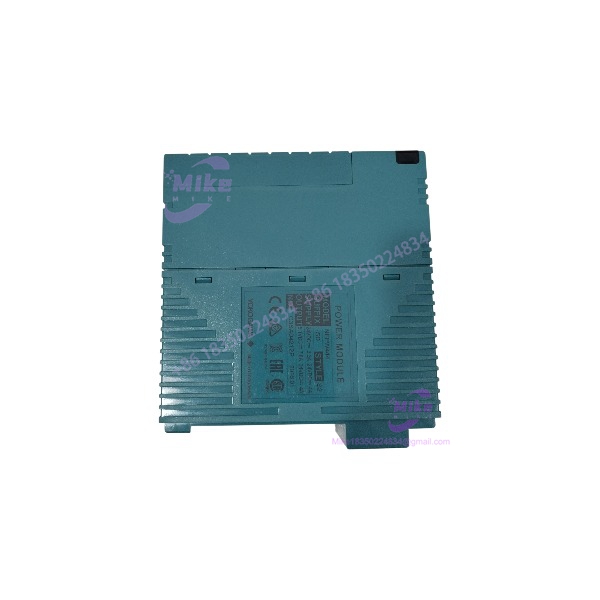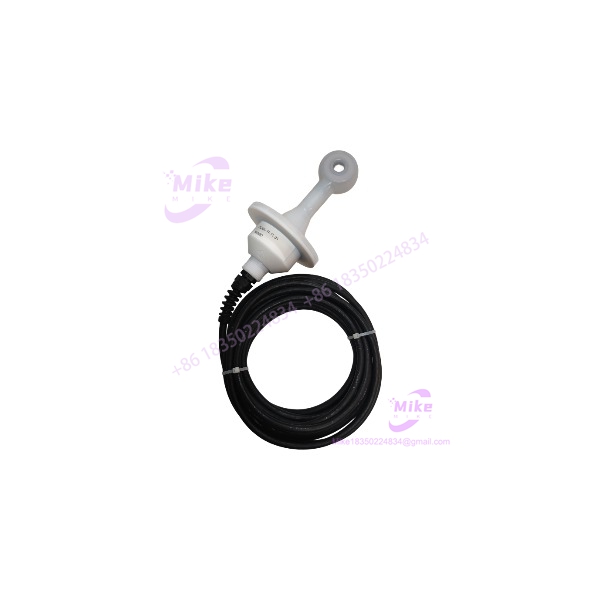
Description
Yokogawa ISC40G-TF-T1-05 | ISC40G Conductivity Sensor
Product Introduction
In process conductivity measurement, the sensor’s exact construction and analyzer compatibility matter just as much as the model family. A mismatched sensor can create avoidable commissioning work or leave a replacement unable to fit the existing process installation.
The Yokogawa ISC40G family is documented as an inductive (toroidal) conductivity sensor used in industrial liquid-analysis applications. Unlike contacting conductivity sensors, the inductive measurement principle does not rely on exposed electrodes contacting the process liquid. Yokogawa offers multiple ISC40G configurations, with model-code differences that must be checked against the installation requirements.
The supplied part number, ISC40G-TF-T1-05, could not be independently verified as a complete standard Yokogawa model code in the available OEM documentation. Accordingly, this listing does not assign an unverified cell constant, process connection, cable length, temperature rating, or analyzer compatibility to this exact suffix. Confirm the nameplate and ordering code before purchase or installation.
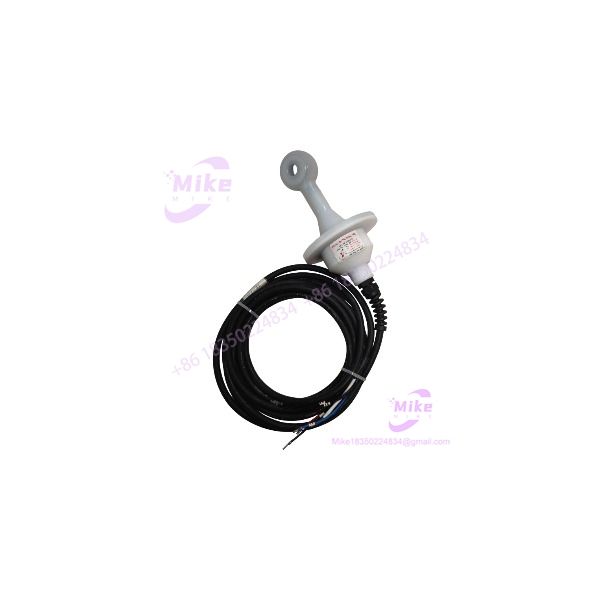
ISC40G-TF-T1-05
Key Technical Specifications
- Manufacturer: Yokogawa
- Model Number: ISC40G-TF-T1-05, as provided
- Product Family: ISC40G
- Instrument Type: Inductive conductivity sensor
- Measurement Method: Toroidal / inductive conductivity measurement
- Measurement Application: Liquid process conductivity monitoring
- Sensor Technology: Electrode-less inductive measurement principle
- Process Connection: Not confirmed for the exact supplied suffix
- Sensor Cable Configuration: Not confirmed for the exact supplied suffix
- Measurement Range: Verify against the complete model code and compatible analyzer
- Temperature and Pressure Limits: Verify against the applicable Yokogawa datasheet and sensor nameplate
- Analyzer/Converter Compatibility: Must be confirmed for the exact sensor configuration
- Mounting Configuration: Not confirmed for the exact supplied suffix
- OEM Documentation: Yokogawa (S) sensor documentation is available; the exact
TF-T1-05code requires further validation
Yokogawa’s official ISC40 documentation lists multiple model-code configurations. Do not infer the exact construction or operating limits of -TF-T1-05 from the family name alone.
Global Sourcing & Inspection SOP
For a used or surplus ISC40G-TF-T1-05, the main procurement risk is accepting a family-level match as proof of exact sensor compatibility.
1. Inbound Verification
- Photograph the complete nameplate and all visible model-code markings.
- Confirm whether the full designation is
-TF-T1-05. - Record the serial number and any additional ordering-code suffixes.
- Inspect the sensor body, process connection, cable, connector, and mounting features.
- Check for corrosion, cracks, process residue, damaged threads, or signs of repair.
- Request the original Yokogawa datasheet or purchase documentation when available.
- Record any uncertainty between the supplied part number and the OEM ordering code.
2. Physical and Electrical Inspection
- Inspect the sensor body for mechanical damage.
- Check cable insulation and connector condition.
- Verify the wiring arrangement against the applicable Yokogawa manual.
- Do not apply arbitrary voltage or use a generic transmitter test procedure.
- Avoid immersion or process testing until the sensor’s exact construction and operating limits are confirmed.
- Record inspection findings and any limitations.
3. Compatibility Verification
Before installing the sensor:
- Identify the existing Yokogawa analyzer or converter.
- Verify the analyzer’s supported ISC40 sensor configuration.
- Confirm the exact sensor model code and connection arrangement.
- Check the required cable and mounting accessories.
- Validate process temperature, pressure, and chemical compatibility against OEM documentation.
- Confirm the sensor’s measurement range and calibration requirements for the intended application.
4. Functional Testing
A meaningful functional test requires a compatible analyzer/converter and an appropriate test setup.
- Use the applicable Yokogawa test and commissioning procedure.
- Verify sensor recognition or measurement response where supported.
- Compare readings against an appropriate reference or controlled test condition.
- Record the analyzer model, test conditions, and observed results.
- Do not claim calibration, accuracy, or process-readiness without documented test evidence.
5. Final Preparation and Shipment
- Record the exact model code and serial number.
- Photograph the sensor and its connections.
- Include only the accessories actually present.
- Protect the sensor body, process connection, and cable from impact.
- Use suitable protective packaging.
- Clearly state whether the unit is untested, inspected, or functionally tested.
- Preserve any original OEM documentation supplied with the unit.
Field Engineer’s Pitfall Guide
❗ Do not confuse the with a thermocouple temperature transmitter
Yokogawa identifies the as an inductive conductivity sensor. A third-party listing describes the supplied code as a thermocouple transmitter, but that description conflicts with Yokogawa’s documented ISC40 product family. Do not rely on the conflicting temperature-transmitter specifications without OEM confirmation.
❗ The complete suffix matters
The exact code was not confirmed in the available Yokogawa model-code documentation. Do not assume that a similar sensor has the same process connection, cable arrangement, measurement range, or installation dimensions.
❗ Verify the analyzer before installation
An family match alone does not establish compatibility with the installed analyzer or converter. Confirm the full sensor code, supported configuration, wiring, and process requirements before commissioning.
Intent-Driven FAQ
What iYokogawa ?
The supplied code appears to reference Yokogawa’s sensor family, which is documented for inductive conductivity measurement. However, the exact TF-T1-05 suffix requires confirmation before assigning detailed specifications.
Is the a temperature transmitter?
The available Yokogawa documentation identifies the as an inductive conductivity sensor—not a thermocouple temperature transmitter. A third-party listing’s temperature-transmitter description should not be treated as authoritative.
What does the measure?
The family is used for inductive conductivity measurement in liquid process applications. The exact measurement range and operating limits depend on the verified sensor configuration and compatible analyzer.
Is the compatible with every Yokogawa conductivity analyzer?
No universal compatibility should be assumed. Verify the exact sensor code and the supported sensor configuration for the installed Yokogawa analyzer or converter.
Can this sensor be used as a direct replacement?
Only after confirming the complete model code, mounting and process connection, cable arrangement, analyzer compatibility, and process operating limits against the original installation.
Is the obsolete?
The is a documented Yokogawa product family, but the lifecycle status of the exact code was not independently established. Confirm availability and replacement guidance with Yokogawa or an authorized supplier.
What should I verify beforeg a used ?
Request a clear nameplate photo, confirm the complete model code and serial number, inspect the sensor body and cable, and obtain the applicable OEM documentation. Ask for functional test evidence if the unit is being sold as tested.
Bottom Line for Buyers
The Yokogawa family is documented for inductive conductivity measurement, but the exact supplied designation remains unverified against the available OEM model-code information.
For procurement, do not rely on generic specifications or conflicting third-party descriptions. Confirm the full nameplate code, analyzer compatibility, process connection, and operating limits before treating this unit as a direct replacement.