


Description
Woodward 9905-969 | High-Performance Dual-Port Processor Quantified Spec
Dynamic Product Introduction
When critical infrastructure software demands absolute deterministic precision, processing hardware cannot afford a single dropped instruction cycle. The Woodward 9905-969 operates as an advanced processing node engineered specifically for the MicroNet architecture, translating complex control logic into real-time valve and actuator adjustments. Unlike generic industrial PCs prone to operating system bloat, this dedicated controller runs a hardened real-time environment built to maintain sub-millisecond loop times under heavy computational loads.
Stepping past legacy processor iterations, this specific hardware revision provides improved memory handling and enhanced data throughput for multi-loop governor applications. Field deployments confirm that integrating this module significantly reduces network jitter and eliminates communication timeouts across distributed I/O racks in heavy gas turbine and hydro installations.
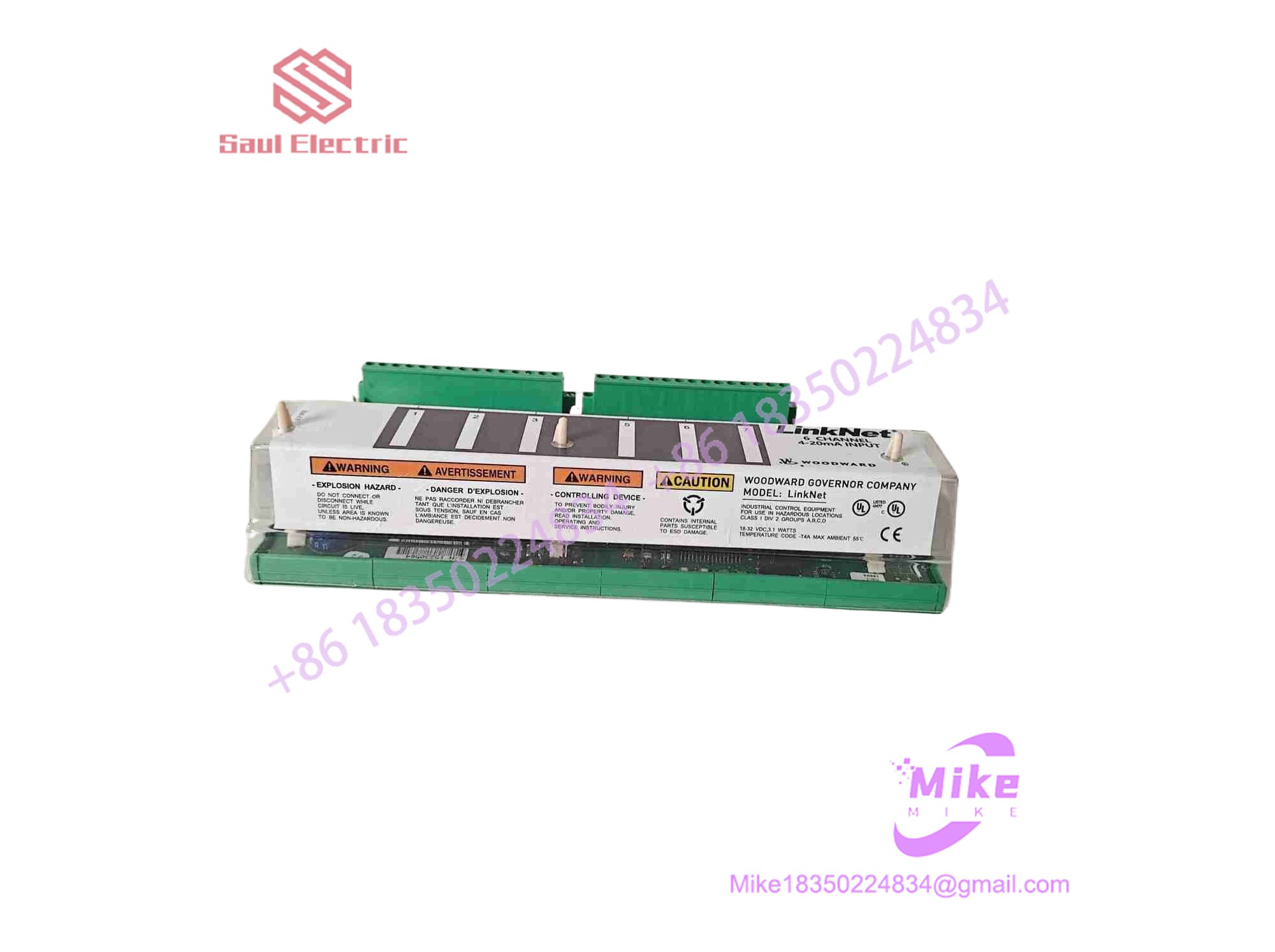
9905-969
Key Technical Specifications
- Processor Core: High-performance 32-bit embedded microprocessor architecture
- System Memory: Expanded onboard DRAM and Flash configuration for large application logic files
- Backplane Interface: CompactPCI (cPCI) standard bus
- Communication Interfaces: Dual 10/100 Ethernet ports, dedicated RS-232/RS-485 serial service ports
- Operating System: Real-Time Operating System (RTOS) kernel
- Power Consumption: Approximately 15W to 22W nominal draw
- Operating Temperature Range: -20°C to +70°C ambient tolerance
- Enclosure Type: Single-slot European subrack plug-in card with front-panel status LEDs
- Weight: ~0.72 kg (1 lb 9 oz)
- Redundancy Compatibility: Supports Simplex, DMR, and TMR fault-tolerant deployment structures
Global Sourcing & Live-Test SOP (Transparency Core)
Deploying surplus digital hardware requires an uncompromising verification pipeline to prevent installation-phase failures.
- Inbound Verification: Incoming inventory undergoes rigorous origin tracing against official factory production lots. Each unit is visually inspected under optical magnification to detect micro-cracks, solder fatigue, or oxidation on the backplane connector fingers.
- Live Simulation: The CPU is inserted into an authentic, fully powered MicroNet test chassis populated with representative discrete and analog I/O cards to replicate true skid conditions.
- Diagnostics: Technicians execute a full hardware diagnostic script, verifying memory bit-shift integrity, Ethernet frame processing speeds, and CompactPCI bus handshakes. The board is then subjected to a 24-hour thermal soak cycle.
- Final Prep: NVRAM is cleared of legacy data, target application firmware is verified against stable baselines, and the module is sealed inside a multi-layer anti-static moisture-barrier bag.
The Field Engineer’s Pitfall Guide
❗ Failing to Match Firmware and Bootloader Versions: Swapping a replacement CPU into an existing redundant chassis without flashing identical firmware revisions leads to constant synchronization failures and network partition faults. (I’ve seen plants lose two days of startup windows because a replacement node ran a minor patch level mismatch.) Always verify software builds before tying the rack to active loops.
❗ Neglecting Battery Back-up Voltage Levels: Overlooking the onboard lithium backup battery during routine maintenance can result in total loss of volatile configuration parameters upon the next facility-wide power cycle. Always check open-circuit voltage with a digital multimeter before installation.
❗ Unbalanced Backplane Insertion Force: Forcing the CompactPCI card into the subrack chassis at an angle can bend or shear fragile multi-pin connectors on the backplane. Guide rails must be engaged cleanly, and captive thumbscrews must be tightened evenly to establish proper seating depth.
Intent-Driven FAQ
Will I lose my custom application logic if I replace this CPU module?
No, because the compiled application configuration and control logic reside in non-volatile system storage or are loaded directly from your engineering workstation via GAP/NETCON software. The hardware processes the binary, but you must reload your project file post-installation.
Can this controller be hot-swapped while the prime mover is running?
In a properly configured redundant (DMR or TMR) framework, a secondary standby CPU can often be replaced live following specific software handoff procedures. However, doing so in a single-processor (simplex) configuration will immediately drop control, trip the turbine, and trigger an emergency shutdown.
What causes the module to enter a continuous watchdog reset loop?
A persistent watchdog loop usually indicates a corrupted boot image, an invalid checksum in the application memory, or a fatal hardware fault on the processor board. If reloading the firmware via the serial maintenance port fails to clear the fault, internal flash memory degradation is the typical root cause.
Is the 9905-969 compatible with legacy non-Plus MicroNet chassis?
This processor is engineered specifically for the enhanced MicroNet architecture. Attempting to install it into an obsolete, first-generation chassis will result in bus communication failures due to hardware-level variations in backplane power supplies and memory map structures.
What kind of warranty accompanies surplus or refurbished stock?
Reputable industrial suppliers typically back tested surplus hardware with a 1-to-2 year replacement warranty. Always ensure your vendor provides an individualized bench-test report validating memory integrity and port operation with the purchase.





