Description
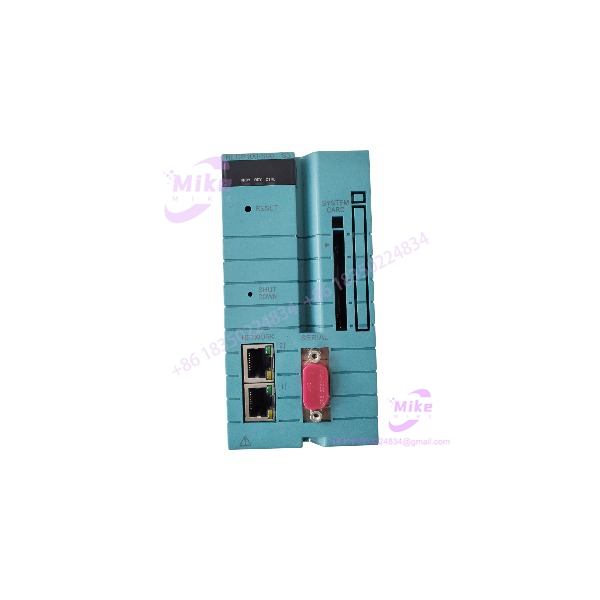
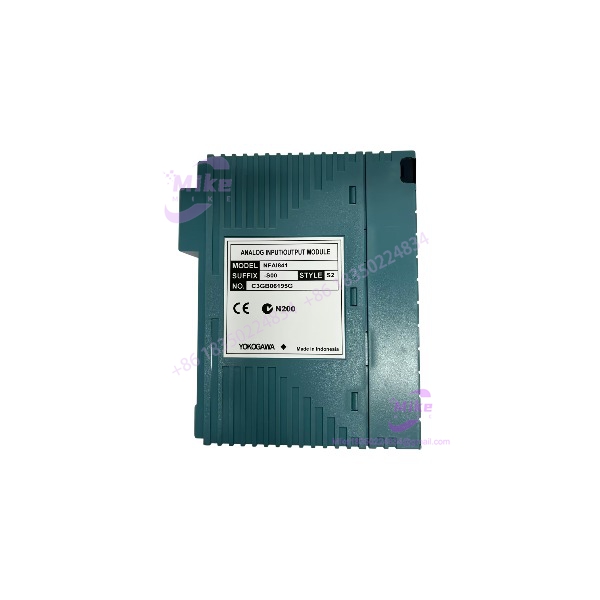
Yokogawa CP451-50 | CENTUM VP High-Performance Field Control Unit Processor
Dynamic Product Introduction
Large-scale continuous processing plants demand ultra-reliable control infrastructure capable of processing massive tag counts without sacrificing execution determinism. Moving beyond standard baseline controllers, the Yokogawa CP451-50 processor module delivers advanced computing headroom designed specifically for modern, data-intensive CENTUM VP environments.
Unlike older hardware iterations, this enhanced processor handles heavy safety, logic, and regulatory control loads concurrently while maintaining absolute scan-rate stability. Deploying a fresh CP451-50 unit ensures seamless network throughput, enhanced resistance to communication bottlenecks during alarm storms, and bulletproof operational continuity.
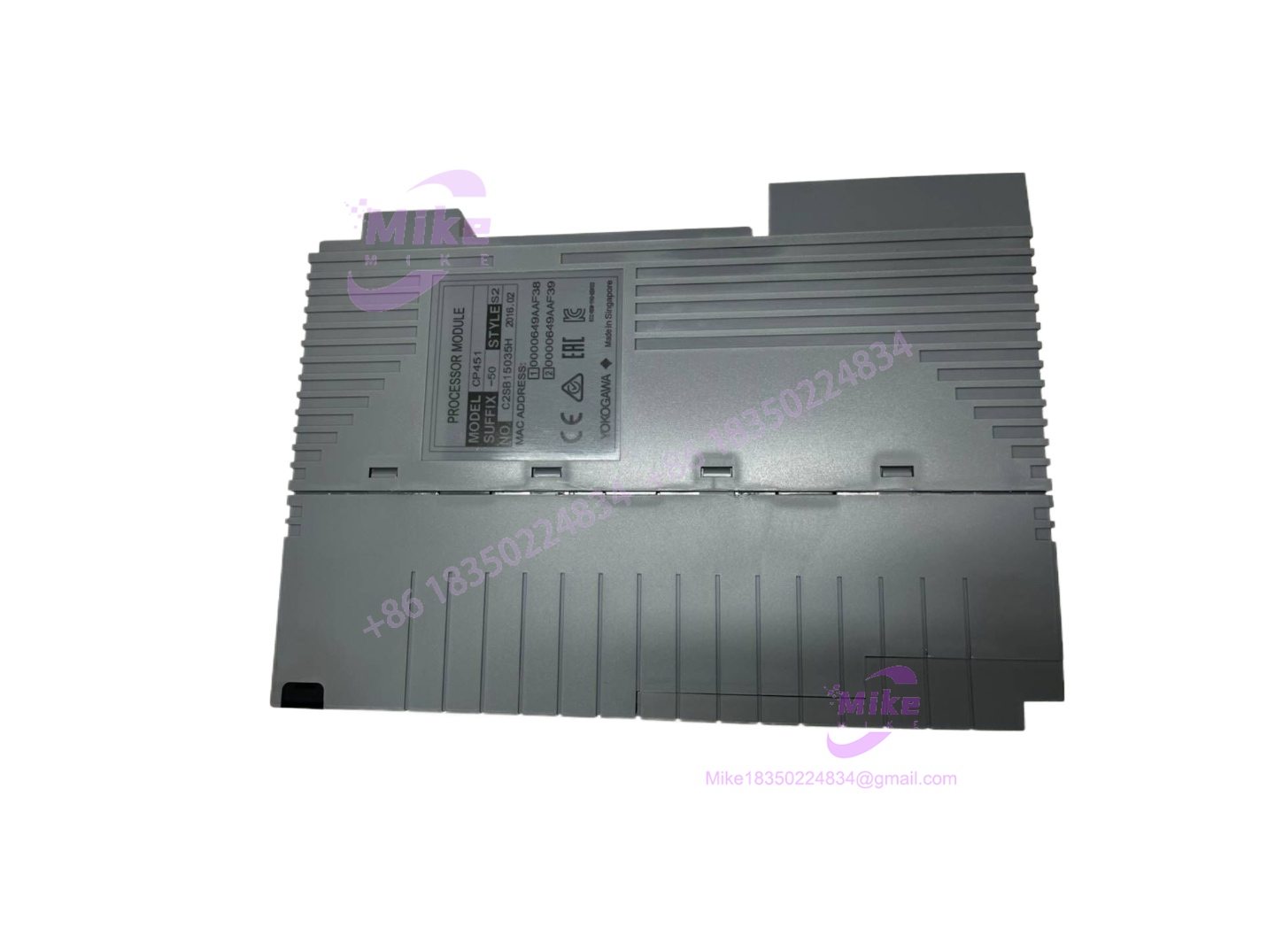
CP451-50
Key Technical Specifications
| Core Parameter | Technical Specification |
| Product Model | CP451-50 (Standard/Enhanced Suffix Variants) |
| Manufacturer | Yokogawa Electric Corporation |
| System Compatibility | CENTUM VP Distributed Control System (DCS) |
| Module Classification | Field Control Station (FCS) Processor Card |
| Processing Architecture | High-performance 64-bit multi-core industrial processor framework |
| Network Interface | Vnet/IP fault-tolerant gigabit control network integration |
| Redundancy Support | Full 1:1 hot-standby redundant configurations (requires matched suffix codes) |
| Operating Temperature | 0°C to +50°C industrial rack threshold |
| Physical Mounting | Dedicated slot within Yokogawa Field Control Unit backplane |
Global Sourcing & Live-Test SOP (Transparency Core)
Acquiring legacy or surplus high-end DCS processor hardware through secondary markets requires an uncompromising verification protocol to protect live process networks from unexpected downtime.
- Inbound Verification: Incoming CP451-50 batches undergo high-magnification inspection of backplane connector pins and holographic laser traceability checks against official Yokogawa production ledgers.
- Live Simulation: Technicians seat the card into an active CENTUM VP test rack energized by stable power supply rails to verify bus initialization, self-diagnostic routines, and memory health.
- Diagnostics: Engineers execute full-scale system software handshakes, validating Vnet/IP communication stability and executing a 24-hour thermal soak run under load.
- Final Prep: Hardware units receive comprehensive firmware revision logging, static-dissipative wrapping, and vacuum sealing inside heavy-gauge moisture-barrier ESD shielding bags.
The Field Engineer’s Pitfall Guide
❗ Firmware and Suffix Code Mismatches: Sliding a replacement CP451-50 card with an unaligned system software revision or mismatched suffix code into a redundant controller pair can cause synchronization failure. I’ve seen plant commissioning windows stall because a mismatched CPU rejected the active CENTUM system container file.
❗ Vnet/IP Node Address Settings: Failing to verify hardware switch configurations or node identifiers on the replacement card prior to rack insertion will trigger communication dropouts across the control network. Always mirror the exact configuration profile of the legacy unit.
❗ Hot-Swap Sequence Errors: Bypassing standard software-mandated procedures during physical insertion or extraction of a controller card can corrupt backplane power rails. Always adhere strictly to approved plant safety and hardware replacement guidelines.
Intent-Driven FAQ
Will swapping this module erase my control application logic?
Application logic, control drawings, and station configurations are typically stored on downstream media or loaded from the CENTUM engineering station (ENG). However, you must ensure that your system software version aligns cleanly with the replacement hardware.
Are these units original factory sealed or surplus stock?
Sourced inventory pools span both original factory-sealed packaging and fully certified, tested surplus hardware. Every unit undergoes bench-level validation before dispatch.
Can this processor be used in single or dual-redundant setups?
Yes, the architecture fully supports dual-redundant (1:1 hot-standby) configurations to ensure high availability in critical process control loops, provided both cards share matching hardware revisions.
What software environment is used to configure this processor?
Engineering, configuration, and monitoring are managed directly through Yokogawa’s proprietary CENTUM system software tool suites.
What warranty accompanies a replacement processor card?
All supplied units carry a comprehensive 1-year operational warranty covering internal component integrity, processing stability, and communication port health.
Are you deploying this processor into a greenfield CENTUM system expansion or utilizing it as a hot-spare replacement for an existing high-capacity node?