Description
Yaskawa LASC-100W8 | Linear Amplifier Servo Control
Product Introduction
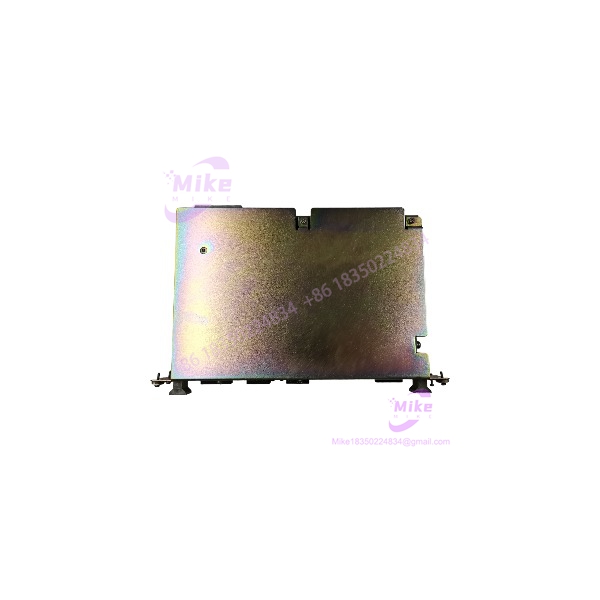
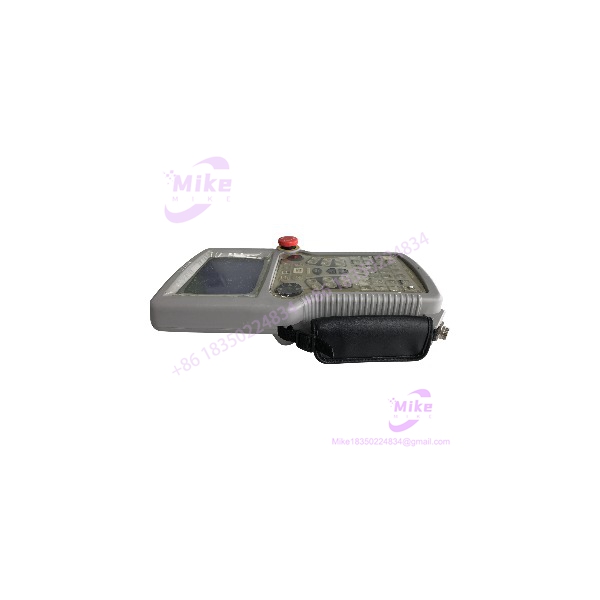
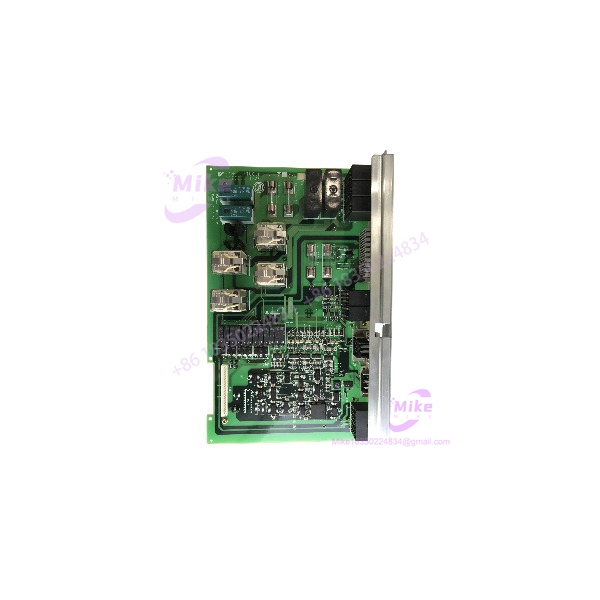
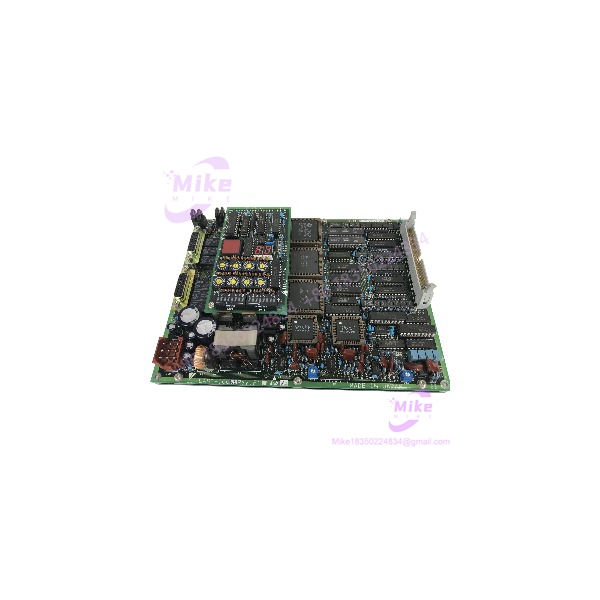
The Yaskawa LASC-100W8 appears in legacy automation repair and surplus-parts records under the description “linear amplifier servo control.” It should therefore be approached as a configuration-specific motion-control spare—not assumed to be a general-purpose servo drive or a standalone servo motor.
For replacement procurement, the complete assembly identity matters. Confirm the nameplate, PCB markings, connector layout, and associated machine or amplifier model before ordering. Available third-party records do not establish the LASC-100W8’s rated output, supply requirements, supported motor type, or control interface, so those details should be checked against the original equipment documentation.
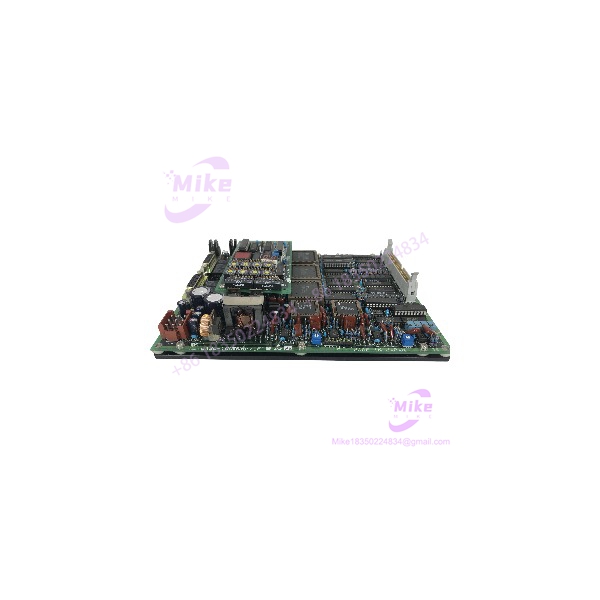
LASC-100W8
Key Technical Specifications
- Part Number: LASC-100W8
- OEM: Yaskawa
- Functional Description: Linear amplifier servo control, as identified by a repair-parts archive
- Equipment Class: Legacy servo/motion-control component
- System Role: Exact role within the host machine is not independently verified
- Rated Power: Not verified
- Input Voltage: Not verified
- Output Voltage/Current: Not verified
- Supported Motor Type: Not verified
- Feedback Interface: Not verified
- Command Interface: Not verified
- Communication Protocol: Not verified
- Dimensions and Weight: Not verified
- Mounting and Connector Details: Must be confirmed from the actual unit and host-system documentation
Do not infer a 100 W output rating from the “100” embedded in the part number. The available evidence does not establish that interpretation.
Global Sourcing & Live-Test SOP
1. Inbound Verification
- Photograph the complete nameplate and all assembly labels.
- Confirm the exact marking LASC-100W8.
- Record any secondary Yaskawa, PCB, or assembly numbers.
- Compare board layout, connector positions, mounting points, and component population with the original unit.
- Document visible modifications, repairs, corrosion, or heat damage.
- Request the seller’s source, condition statement, and available test records.
2. Configuration and Authenticity Review
- Match the part against the machine’s bill of materials or original maintenance documentation.
- Confirm whether the supplied item is a complete assembly, bare PCB, or subassembly.
- Check revision markings and any configuration-specific labels.
- Do not treat a similar-looking Yaskawa board as interchangeable without documented confirmation.
3. Controlled Functional Evaluation
Testing should be performed by qualified personnel using the correct host equipment or an approved test setup.
- Verify the required supply and wiring from reliable documentation before energizing.
- Inspect connectors and power-stage components before applying power.
- Monitor supply current and startup behavior.
- Check for visible fault indications or abnormal heating.
- Verify control response only with a compatible, safely configured test system.
- Do not connect an unknown motor or apply an assumed voltage based on the model number.
4. Extended Run and Diagnostics
Where an approved test procedure is available, perform a controlled operating run under representative conditions.
Record:
- Test date and duration
- Applied supply conditions
- Host equipment and configuration
- Observed control response
- Fault indications and resets
- Temperature or abnormal-heating observations
- Test limitations and any functions not verified
A power-up check alone is not evidence of full servo-control functionality.
5. Final Preparation
- Preserve all labels and configuration markings.
- Photograph the complete assembly before packaging.
- Use ESD-safe packaging for electronic components.
- Protect exposed connectors and board edges from impact.
- Include available test documentation and clearly state any unverified functions.
- Do not represent the unit as tested, refurbished, or warrantied unless the actual seller’s terms and test records support that claim.
Field Engineer’s Pitfall Guide
❗ Do not assume the power rating from the part number
The “100” in LASC-100W8 is not sufficient evidence of a 100 W output rating. Verify the electrical specifications from the applicable Yaskawa documentation or the host-system nameplate.
❗ Similar Yaskawa motion-control parts are not automatically interchangeable
A replacement must match the complete assembly identity, revision, connectors, and host-system requirements. Physical similarity alone does not establish electrical or functional compatibility.
❗ Avoid uncontrolled energization
Until the supply requirements and connection pinout are confirmed, do not apply power or connect a motor experimentally. Unknown servo-control hardware can be damaged by incorrect wiring or incompatible test conditions.
Intent-Driven FAQ
What is the Yaskawa ?
Third-party repair-parts records identify it as a linear amplifier servo-control component. Its exact role and host-system compatibility should be confirmed from the original equipment documentation.
Is the a servo motor?
The available records do not establish it as a servo motor. It is described as a servo-control or linear-amplifier component.
What are its voltage and power ratings?
Reliable, model-specific electrical ratings were not verified. Do not infer voltage, current, or wattage from the part number.
Can it replace another Yaskawa servo-control board?
Only if the complete part number, revision, wiring, and system compatibility are confirmed. A shared manufacturer or similar appearance is not sufficient.
Is the obsolete?
It appears in legacy repair and surplus-parts channels. Current OEM lifecycle status was not verified, so buyers should confirm availability directly with Yaskawa or an authorized service channel.
What should I request before purchasing a used unit?
Request clear photographs of the nameplate, PCB markings, connectors, and complete assembly. Ask for the host-machine model, revision information, condition details, and any functional-test evidence.
Is the hot-swappable?
Do not assume it is. Treat installation or replacement as a power-off maintenance task unless the applicable machine documentation explicitly permits live replacement.
Bottom Line for Buyers
The is identified in third-party repair-parts records as a legacy linear-amplifier servo-control component. Its precise electrical ratings, host-system fit, and replacement compatibility remain unverified.
For procurement, prioritize the complete part-number match, original equipment references, assembly photographs, and documented test results. Confirm the exact system application before treating any offered as a direct replacement.