


Description
Reliance Electric DDS-LPS | VDC Logic Power Supply Core Category
Dynamic Product Introduction
Replacing vintage logic power supply and interface modules in legacy industrial automation frameworks requires exact hardware compatibility to prevent backplane communication errors and power regulation failure. Honestly, the Reliance Electric DDS-LPS solves this challenge directly by delivering native VDC logic processing and power distribution engineered specifically for legacy Reliance control racks. This unit handles internal system power and signal routing reliably without voltage sag or logic dropouts (—though verifying your exact rack configuration, input line voltages, and jumper settings beforehand is vital). Compared to improvised third-party power solutions, the Reliance DDS-LPS preserves system-level hardware integrity and operational continuity, preventing costly downtime on legacy production lines.
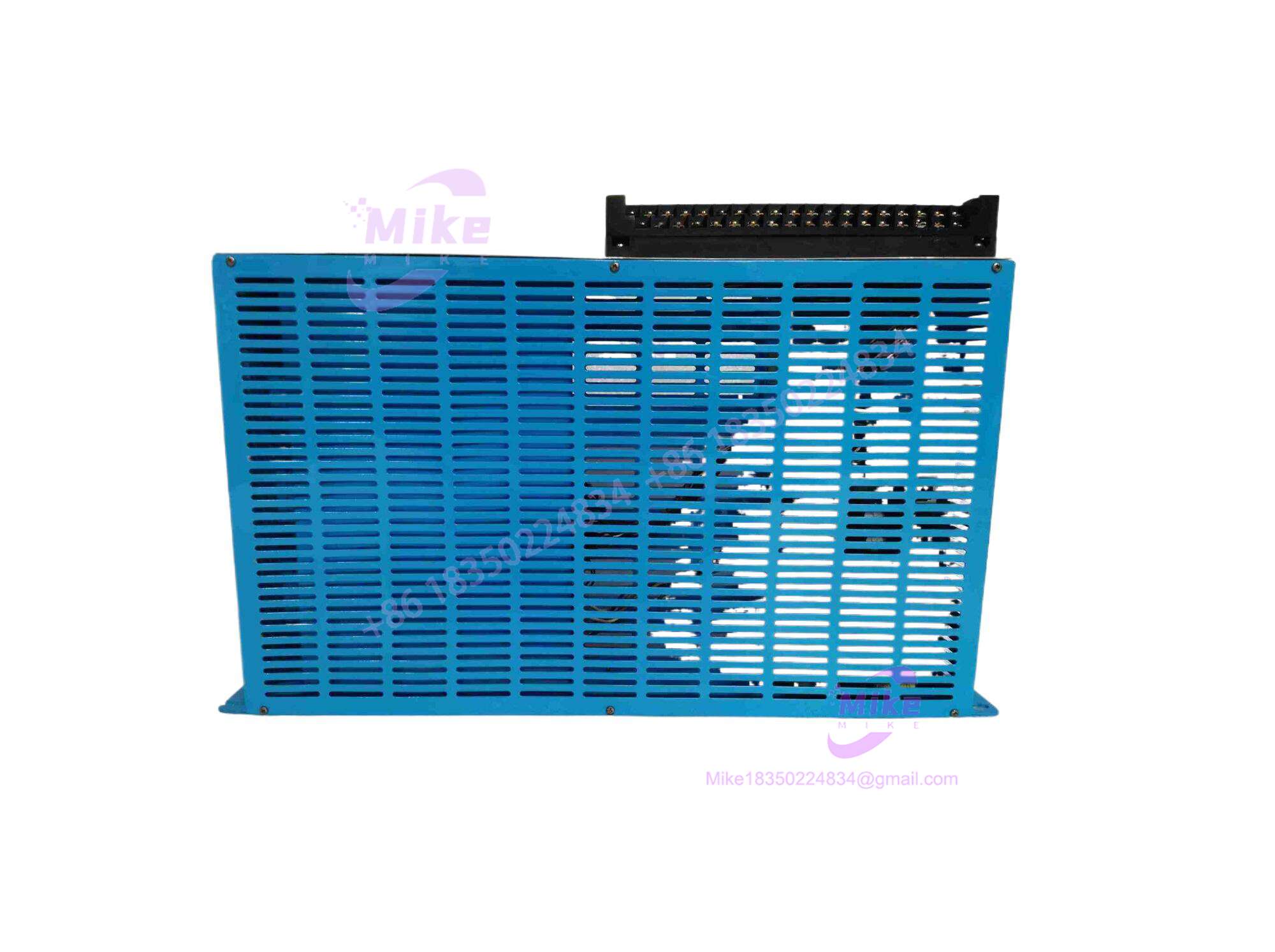
DDS-LPS
Key Technical Specifications
| Specification | Parameter Value |
| Product Series | Reliance Electric Industrial Control / DDS Line |
| Model Designation | DDS-LPS (Logic Power Supply / Interface Module) |
| System Application | VDC logic power regulation, signal processing, and rack routing |
| Input Power Requirements | Standard industrial control cabinet supply lines |
| Operating Temperature | Standard industrial range (0°C to 50°C profile) |
| Enclosure Rating | IP20 open-type internal rack/panel module |
| Mounting Style | Rack or panel-mount configuration |
| Diagnostics | Integrated status indication for power rails and operational health |
Global Sourcing & Live-Test SOP (Transparency Core)
Acquiring secondary-market legacy industrial power supplies and logic interfaces requires rigorous electronic evaluation to ensure internal electrolytic capacitors, switching regulators, and isolation transformers haven’t degraded. For every inbound Reliance DDS-LPS unit, our audit team logs serial numbers against global OEM traceability ledgers and inspects backplane pins, circuit board traces, and terminal blocks for oxidation or thermal stress.
Once cleared, the module is mounted onto an active Reliance test rack simulation bench. Technicians apply nominal input voltage, verify clean secondary DC output regulation across all logic rails, test handshake signals across the interface, and run a 24-hour thermal burn-in cycle. The unit is then cleaned, fitted with protective packaging, and sealed inside an anti-static moisture-barrier bag.
The Field Engineer’s Pitfall Guide
❗ Hot-Plugging Backplane Hazards: Inserting or extracting the DDS-LPS module while the main enclosure power supply is energized can arc backplane pins and corrupt sensitive logic circuits. Always drop rack power before servicing.
❗ Capacitor Aging on Legacy Stock: Deploying long-term surplus electronic modules without verifying internal capacitor health can lead to premature power rail ripple or failure. Always check for signs of electrolyte leakage or bulging prior to installation.
❗ Incorrect Input Voltage Tap: Connecting the unit to an incorrect primary AC/DC line voltage tier will instantly damage the internal power regulation circuitry. Always verify transformer tap and rating label specifications.
Intent-Driven FAQ
- Does replacing the Reliance DDS-LPS module affect my system programming?
No, the DDS-LPS functions as a logic power supply and interface module; user programming and parameters reside on system memory chips elsewhere in the rack.
- Is the DDS-LPS directly compatible with all legacy Reliance control racks?
Compatibility depends strictly on your exact rack series and system generation; always cross-reference part number DDS-LPS with your equipment schematics.
- What type of warranty covers surplus Reliance industrial modules?
Verified secondary-market inventory includes a comprehensive 1-year operational warranty backed by our pre-shipment voltage regulation and bench-test logs.
- Can I repair internal component faults on this power supply board myself?
Component-level repair is strongly discouraged due to specialized multi-layer board layouts, obsolete semiconductors, and safety isolation barriers; always rely on certified replacements.
- How do I verify if a replacement unit has been bench-tested?
Look for serialized QA verification stickers, clean unmarred connector pins, and accompanying test reports included in the packaging.





