

Description
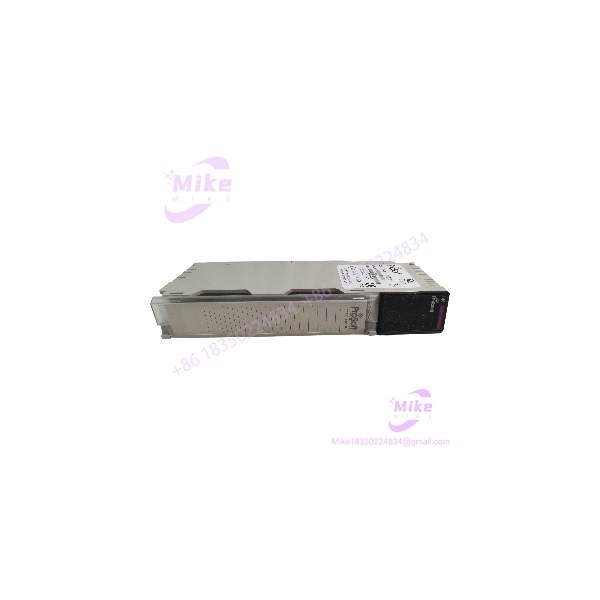
ProSoft PTQ-PDPMV1 | Quantum PROFIBUS DPV1 Master Interface
Dynamic Product Introduction
Field engineers upgrading legacy Schneider Electric Modicon Quantum architectures frequently run into network bottlenecks when connecting to modern PROFIBUS field instrumentation. Older communication options like the 140 CRP 811 00 lack full DPV1 acyclic messaging capabilities, leaving maintenance teams blind to smart transmitter diagnostics. The ProSoft PTQ-PDPMV1 solves this integration gap by plugging directly into the Quantum backplane to act as a high-speed PROFIBUS DPV1 Class 1 Master.
Built on Siemens ASIC hardware, the PTQ-PDPMV1 transfers cyclic process images directly into the Quantum 3x and 4x registers without bogging down the main CPU scan cycle. It features full integration with Schneider Electric Unity Pro / Control Expert environments—including Unity Hot Standby (HSBY) setups with switchover times under 100 ms. Whether managing motor control centers, flowmeters, or downstream PROFIBUS PA instrument links, the PTQ-PDPMV1 delivers deterministic field communications—though long-term network stability depends on maintaining proper physical bus termination.
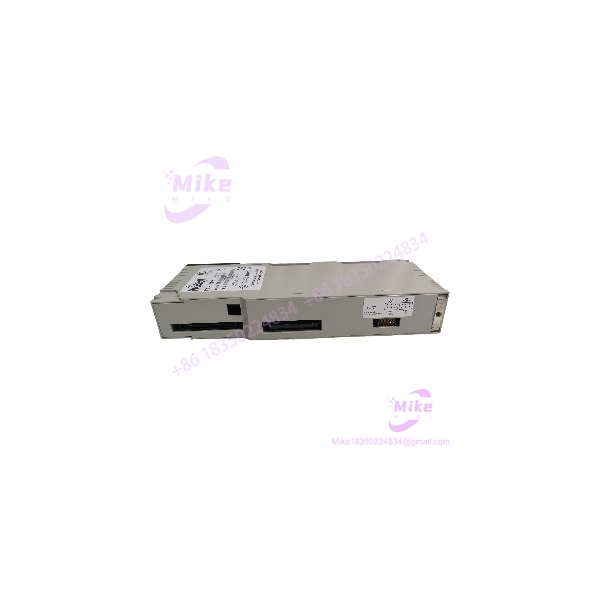
PTQ-PDPMV1
Key Technical Specifications
- Backplane Compatibility: Schneider Electric Modicon Quantum (Single-slot local rack)
- Protocol Support: PROFIBUS DPV0 / DPV1 Master (Class 1 and Class 2 services)
- Maximum Baud Rate: 9.6 kbps to 12 Mbps with automatic baud rate detection
- Slave Capacity: Up to 125 slaves using network repeaters
- Cyclic Data Capacity: Up to 1,536 bytes input / 1,536 bytes output total transfer capacity
- Backplane Power Draw: 1100 mA maximum @ 5.0 VDC (powered directly from the Quantum backplane)
- Network Interface: Isolated RS-485 9-pin female DB9 connector
- Configuration Interface: RJ45 10/100 Mbps Ethernet port (ProSoft Configuration Builder / FDT-DTM)
- Programming Software Support: Unity Pro / EcoStruxure Control Expert (v2.2+), Concept (v2.6+), ProWORX 32
- Operating Ambient Temperature: 0°C to +60°C (32°F to 140°F)
- Certifications: CE, ATEX Zone 2, CSA Class I Div 2, Schneider CAPP Certified
Global Sourcing & Live-Test SOP (Transparency Core)
Sourcing pre-owned or secondary-market Schneider/ProSoft modules requires strict validation to guarantee backplane handshake integrity before deployment on critical industrial processes. Every PTQ-PDPMV1 passing through our inventory undergoes a strict five-stage quality control protocol:
- Inbound Verification: Serial numbers on the printed circuit board tag are matched against ProSoft manufacturing records. We inspect the backplane edge connector for bent or worn gold pins and examine surface-mount caps for thermal fatigue.
- Live Rack Simulation: The PTQ-PDPMV1 card is inserted into an authentic Modicon Quantum backplane powered alongside a 140 CPU 651 60 processor running EcoStruxure Control Expert.
- Network Diagnostics & Baud Sweep: The module is connected to a test bus containing multiple PROFIBUS DP and PA slave nodes. Using ProSoft Configuration Builder (PCB) over Ethernet, we execute full cyclic I/O sweeps at rates up to 12 Mbps while verifying zero packet loss via a PROFIBUS bus analyzer.
- Hot Standby Switchover Validation: In dual-rack setups, primary power is interrupted to confirm that the passive secondary PTQ-PDPMV1 promoted to active master handles slave polling within the specified <100 ms switchover window.
- Final Prep: Internal flash memory registers are restored to factory defaults, protective caps are secured over the DB9 and RJ45 ports, and the PTQ-PDPMV1 is packed inside an ESD-safe moisture-barrier bag.
The Field Engineer’s Pitfall Guide
❗ Firmware Mismatches in Unity Hot Standby (HSBY) Racks: Never pair two PTQ-PDPMV1 cards running different firmware versions in a redundant Quantum HSBY pair. Supporting multiple PTQ-PDPMV1 cards in an HSBY configuration requires firmware v1.25 or higher (with v2.05+ recommended for full DPV1 handling). Running mixed firmware versions causes backplane synchronization failures, locking the secondary standby card into an un-synced fault mode.
❗ Assuming the PTQ-PDPMV1 is a Direct Drop-In for the 140 CRP 811 00:While the PTQ-PDPMV1 replaces the function of the legacy Schneider 140 CRP 811 00 module, it is not a drop-in replacement. The memory address mapping (3x/4x registers), configuration files (.GSD vs PCB projects), and backplane driver structures differ. Swapping hardware without altering your Unity Pro application logic will break field data mapping.
❗ Improper RS-485 Trunk Termination and Shielding: High-speed 12 Mbps PROFIBUS networks are extremely sensitive to cable impedance shifts. Leaving intermediate line switches on or failing to engage active termination resistors at both physical ends of the trunk introduces signal reflections. In field deployments, this causes intermittent node dropouts that appear as spurious slave offline alarms in your Quantum diagnostic buffers.
Intent-Driven FAQ
Q: Can I access acyclic PROFIBUS PA device parameters through the PTQ-PDPMV1? Yes. The PTQ-PDPMV1 supports DPV1 Class 1 and Class 2 acyclic messaging. By utilizing the included ProSoft comDTM driver, you can connect FDT frame software (such as PACTware, FieldCare, or PRM) through the module’s Ethernet port to configure and diagnose downstream PROFIBUS PA instruments located behind DP/PA links.
Q: How many PTQ-PDPMV1 modules can I install in a single Quantum rack?In a standard standalone Quantum rack, you can install up to six (6) PTQ-PDPMV1 modules, provided your backplane 5 VDC power supply capacity supports the combined current draw. In Unity Hot Standby (HSBY) systems, up to four (4) PTQ-PDPMV1 modules per rack are supported with firmware v1.25 or later.
Q: What software is required to configure the network settings on the PTQ-PDPMV1?Network topology, GSD file imports, and I/O mapping are managed using ProSoft Configuration Builder (PCB), which is available for Windows environments. System parameters are downloaded to the PTQ-PDPMV1 via its front RJ45 Ethernet port and stored in onboard non-volatile memory.
Q: Does the PTQ-PDPMV1 module lose its configuration if the main Quantum power supply drops out? No. All network configuration files, slave GSD definitions, and bus parameters are written directly to non-volatile flash memory on the PTQ-PDPMV1 module. The module retains its full operational setup across complete power cycles without requiring battery backup.
Q: How do I read basic PROFIBUS slave health diagnostics inside my PLC ladder logic? The PTQ-PDPMV1 automatically builds a status image table in the assigned Quantum 3x/4x memory registers. Bit-level health arrays represent online/offline states, configuration errors, and DPV1 alarm notifications for every configured slave node, allowing you to trigger alarms directly in your PLC program.





