Description
ProSoft MVI56-LTQ | ControlLogix Valve Control Module, Fast Shipping
Architect’s Product Breakdown
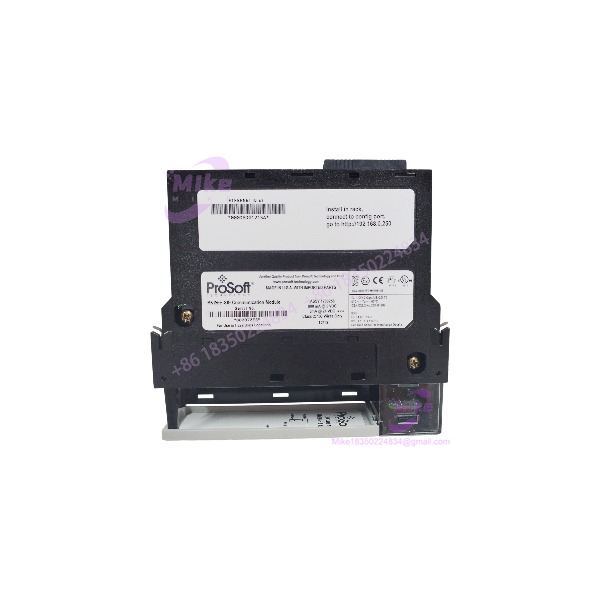
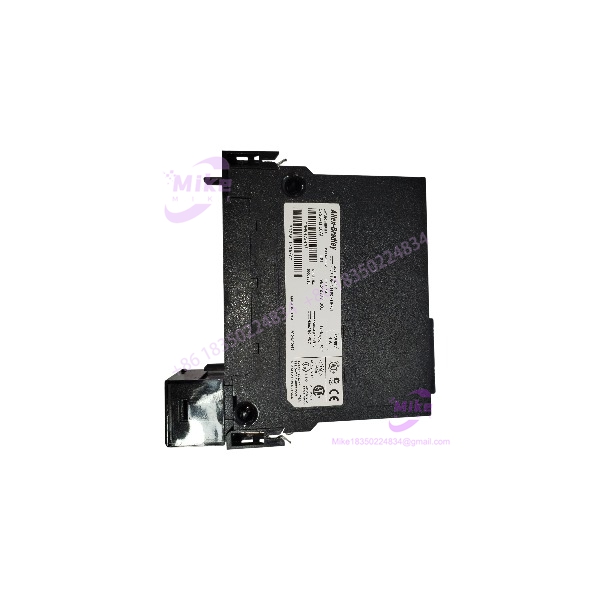
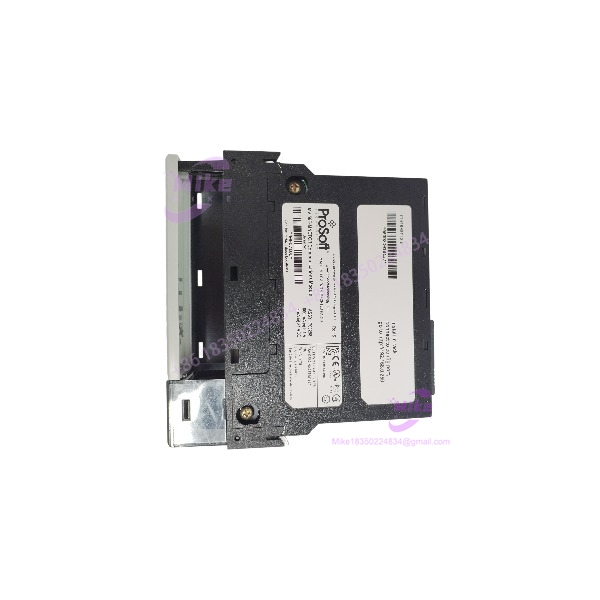
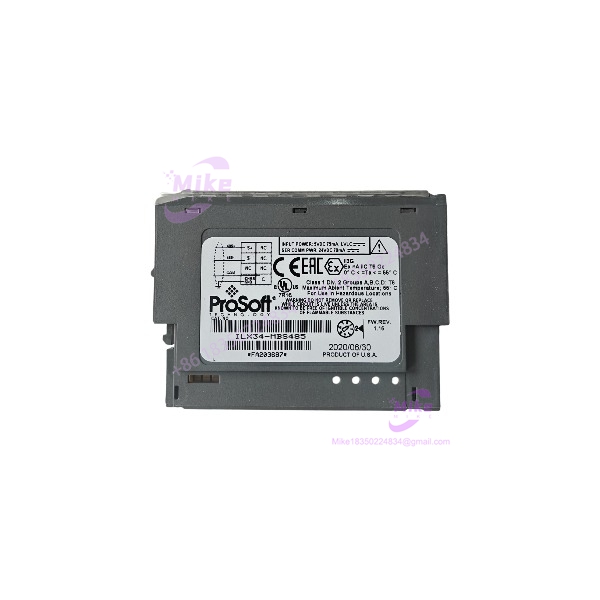
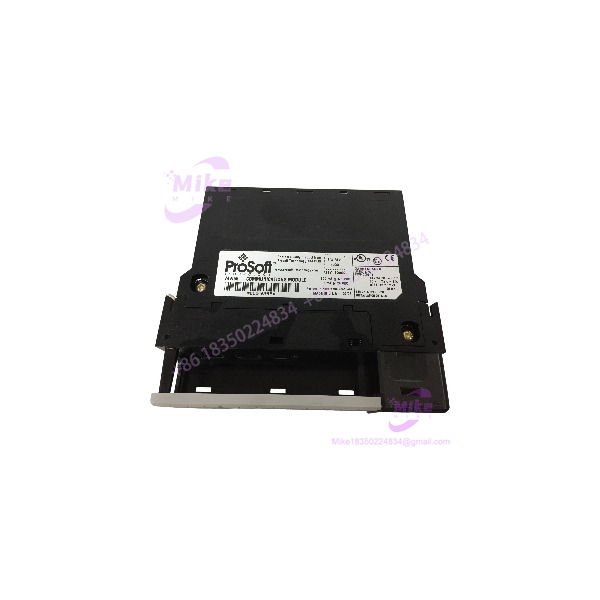
The MVI56-LTQ exists for one very specific world: process plants — pipelines, tank farms, water treatment, terminals — where the valve yard runs on Limitorque actuators speaking Limitorque’s own serial protocol, and the control house runs Allen-Bradley. The module drops into a single 1756 ControlLogix slot and acts as a master on the Limitorque valve network, behaving like an I/O module on the backplane. The ControlLogix processor writes commands and reads status through ladder logic; the MVI56-LTQ handles the actuator-side protocol, polling, and timing entirely on its own, decoupled from the controller’s scan.
What makes this module genuinely useful rather than a generic serial card is that it emulates Limitorque’s native Port A/Port B polling scheme — the same dual-port architecture the Limitorque LINC/LIQ controllers use. Redundant serial paths to the actuator network mean you can wire a primary and backup trunk through different cable trenches, which matters when a backhoe or a corroded junction box takes out one path. The module supports storage and transfer of up to 150 valves into the processor’s controller tags, with a 1500-word buffer smoothing the asynchronous gap between PLC scan behavior and actuator network polling. On the command side, it’s not just read/write data: the module carries structured commands for open, stop, close, network ESD initiate/terminate, engage/disengage contactors 1–6, and position valve 0–100% — full motion control vocabulary, not a register mirror.
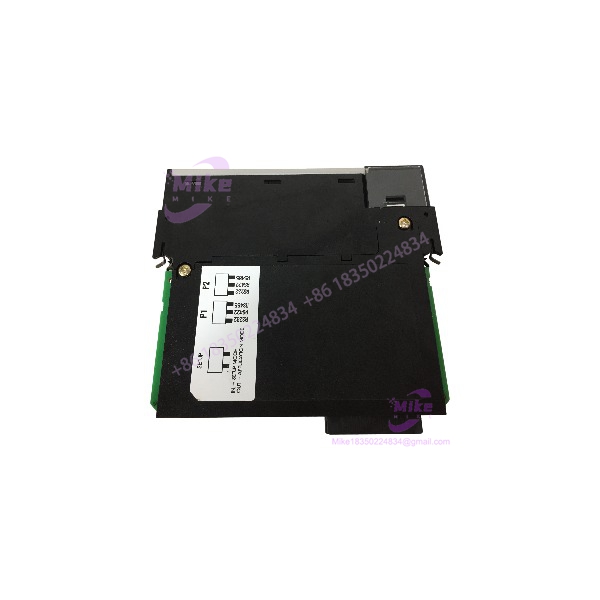
Integration is RSLogix 5000-native. You add the module in the I/O configuration tree, and all module data lives in a user-defined data type, moved by the sample ladder logic ProSoft supplies. There’s no Ethernet config port on this one — it’s a legacy-series module, configured over its serial Configuration/Debug port and a set of DIP switches on the board. That’s old-school, and it works, but plan your commissioning time accordingly: you’ll want the config file and a laptop with a serial port (or a decent USB adapter) on hand.
MVI56-LTQ
Key Technical Specifications
| Parameter | Specification |
|---|---|
| Part Number | MVI56-LTQ |
| Manufacturer | ProSoft Technology |
| Compatible Platform | Allen-Bradley ControlLogix (1756 chassis, 1 slot, local or remote rack) |
| Protocol | Limitorque valve actuator protocol (master) |
| Ports | Dual serial — Port A / Port B (Limitorque polling scheme) + Configuration/Debug port |
| Baud Rate | 1200 to 38400 bps actuator network |
| Valve Capacity | Up to 150 valves |
| Data Buffer | 1500-word data transfer buffer |
| Supported Commands | Open, stop, close, network ESD initiate/terminate, engage/disengage contactors 1–6, position valve 0–100% |
| Backplane Current Load | 800 mA @ 5 VDC |
| Configuration | Serial config/debug port; RSLogix 5000 I/O tree; ladder logic data transfer (sample code supplied) |
| Operating Temperature | 0°C to 60°C (32°F to 140°F) |
| Storage Temperature | ‘-40°C to 85°C |
Field Engineer’s Pitfall Guide
⚠️ The DIP switches are set for a reason — photograph them before you touch anything. This is a legacy-series module, and the port configuration, baud rate, and debug-port behavior are set with on-board DIP switches, not software. I’ve walked into a valve house where a well-meaning tech “cleaned up” a spare module, reset the switches to factory default, and the replacement module wouldn’t talk to a single actuator. Match the switch positions of the unit coming out, verify against the as-built drawings, and bench-check the serial config before the outage starts.
⚠️ Port A and Port B are not interchangeable trunks. The module emulates Limitorque’s native A/B polling scheme — actuator addresses and polling order are tied to how the network is wired and how the config file assigns valves to each port. If you move a segment from Port A to Port B “because the connector was easier to reach,” the poll sequence breaks and valves drop off the scan intermittently. Wire it exactly as the original drawings show, and keep the config file backup current — the config lives in the module, and there’s no Personality Module CF card on this legacy unit to rescue you.
⚠️ Watch your backplane budget and your cable length simultaneously. At 800 mA @ 5 VDC, this module pulls the same as most ProSoft MVI56 cards — fine alone, meaningful when the chassis already hosts three comms modules on a 1756-PA75. On the field side, Limitorque networks are serial at 1200–38400 bbps, and long valve-yard trunks near VFDs will test your cable discipline: shielded twisted pair, single-point ground, and don’t share a trench with the 480 V motor feed to the actuator. I’ve chased “flaky actuator” complaints for a full day that turned out to be a cable tray shared with drive power.
QA & Testing SOP (Transparency)
Every MVI56-LTQ unit passes a documented four-stage process before shipping:
- Visual & Origin Check: OEM label and serial verified against ProSoft production records; board inspected for prior stress marks, connector wear, or field-repair soldering. DIP switch positions photographed and documented before any handling. New surplus stock confirmed factory-sealed.
- Live Rack Test: Module installed in a 1756 ControlLogix test chassis with a known-good processor; minimum 30-minute powered burn-in; backplane enumeration and user-defined data type transfer confirmed in RSLogix 5000.
- Functional Diagnostics: Both actuator ports (A and B) exercised against Limitorque protocol simulation — poll response at 1200 and 38400 bps, valve command set verified (open/stop/close/ESD/contactor engagement/positioning), 1500-word buffer integrity checked under sustained transfer, Configuration/Debug port read/write confirmed.
- Documentation & Packing: Firmware revision, DIP switch map, and test results recorded on the unit certificate; module set to as-specified configuration; sealed in ESD-safe anti-static bag with conductive foam.
Technical FAQ
Q: Can I hot-swap the MVI56-LTQ while the process is running?
No. Pulling the master drops every valve actuator off the network at once — the module holds the poll, and the ControlLogix slot faults on top of that. On a Limitorque valve network, that typically means actuators hold last state or fail to their configured position, which on an ESD-relevant network is not something you improvise. Schedule the swap, pre-configure the replacement, and treat it like the IO device it is.
Q: How many valve actuators can one module actually handle?
Up to 150 valves are supported for storage and transfer to the ControlLogix controller tags, and the 1500-word buffer services that data asynchronously from your PLC scan. If your valve count is higher, you’re looking at multiple modules — and keep in mind that polling 150 devices over serial at up to 38400 bps means real cycle time. Size your poll-rate expectations against your worst-case ESD response requirement, not the datasheet headline.
Q: Is there an “E-series” enhanced replacement for the ?
No. Unlike the PDPMV1 or SIE products, ProSoft never released an MVI56E-LTQ — there’s no Ethernet config port on this family, and configuration remains serial-port plus DIP switches via the Configuration/Debug port. The is the end of the line, which is exactly why it’s hard to source and why we bench-test and document every unit we ship.
Q: Does the module need the sample ladder logic to work, or can I write my own?
It needs ladder logic — period. The module moves all data through a user-defined data type in the controller, and ProSoft’s sample program handles initialization, command queuing, and status data clearing. You can build your own, but starting from the supplied sample is standard practice; hand-rolled copy routines are where valve command data gets misaligned by a word and an actuator gets a position command that was meant for its neighbor.
Q: Will the module configuration survive a power loss?
Yes — the network configuration and valve database are stored in the module’s non-volatile memory, so a power cycle doesn’t wipe it. But there’s no Personality Module CF card on this legacy series, so if the module itself dies, the configuration dies with it. Standard field discipline applies twice as hard here: keep the ProSoft Configuration Builder backup on your engineering server, plus a printed copy of the DIP switch map in the cabinet. The day the module fails is the day you’ll be glad you did.