

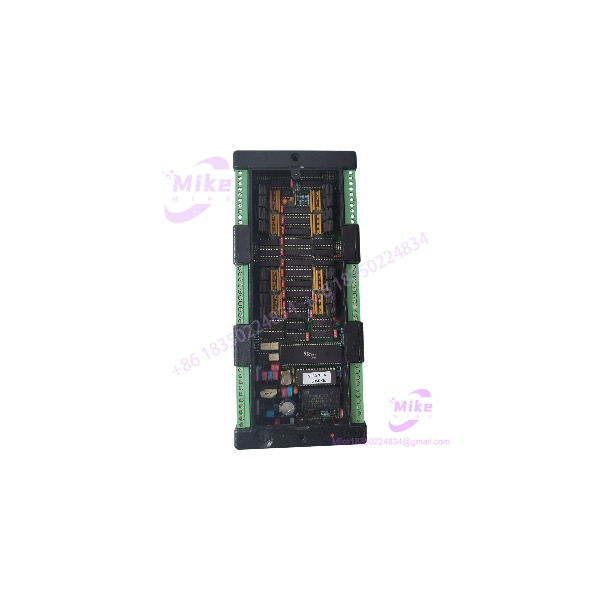
Description
PROCES-DATA PD3100 | P-NET Digital I/O Module Specs
Architect’s Product Breakdown
The PROCES-DATA PD3100 operates as a dedicated digital interface and processing node within the Series 1000 process control ecosystem. Engineered for food and beverage processing, agricultural automation, and distributed chemical process cells, this hardware model handles discrete signal conditioning, pulse frequency integration, and direct valve/solenoid switching. By executing real-time digital logic and counter operations locally at the node, the unit offloads repetitive low-level polling loops from the primary P-NET system controller.
Deploying or replacing this model in an operational P-NET network requires setting hardware node addresses on the base connector and assigning signal parameters within the PROCES-DATA software suite. Featuring a ruggedized modular enclosure, the device incorporates optoelectronic galvanic isolation between field switching circuits, power supply rails, and the high-speed P-NET fieldbus structure. When carrying out field swaps, system integrators must verify that external 24 VDC field power feeds are properly fused and that shield drain wires are continuously grounded to preserve network signal integrity.
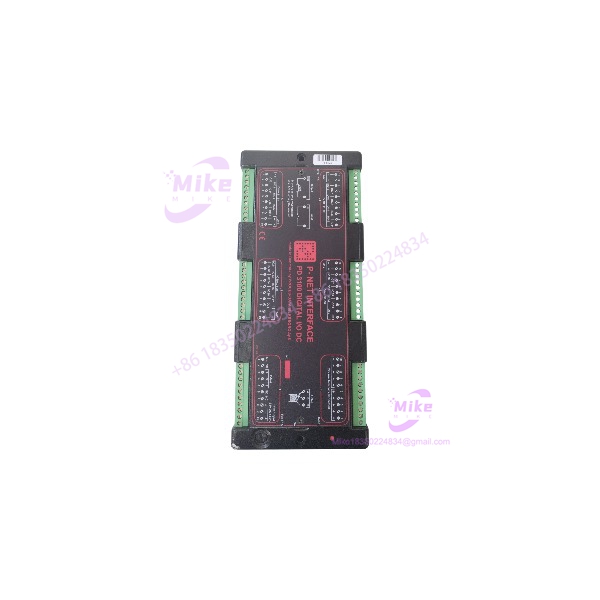
PD3100
Key Technical Specifications
- Manufacturer: PROCES-DATA (Process Data)
- Product Category: P-NET Fieldbus Digital Processing / Interface Module
- Part Number / Catalog No.: PD3100 (PD 3100)
- Product Series: Series 1000 Module Family
- Fieldbus Protocol: P-NET Fieldbus Standard (RS-485 / optical / ring topology)
- Operating Supply Voltage: 24 VDC nominal (\pm 15\% industrial tolerance)
- Digital Channel Capacity: Multi-channel discrete inputs/outputs with pulse counting capabilities
- Galvanic Isolation: Optical isolation barrier between field I/O lines, power supply, and P-NET bus logic
- Mounting / Terminal System: Snap-on base module mounting with screw terminal blocks
- Operating Temperature Range: -10°C to +60°C
- Weight: Approximately 0.45 kg (0.99 lb)
Field Engineer’s Pitfall Guide (Unique Value)
- Hot-Swapping Under Load: Never unseat or disconnect the PD3100 module from its terminal base while 24 VDC power is energized. Live hot-swapping can trigger inductive voltage spikes that risk corrupting onboard non-volatile memory or damaging P-NET bus transceivers.
- Incorrect Grounding of Cable Shields: Failing to properly bond and drain the shielded twisted-pair cable on the P-NET communication bus will allow common-mode electrical noise to enter the system, leading to high packet loss rates and transient node dropouts.
- Inductive Load Switching Without Flyback Diodes: Connecting unbuffered inductive loads (such as large solenoid valves or DC contactors) directly to the digital outputs without external surge suppression diodes can break down output driver transistors over time.
QA & Testing SOP (Transparency)
- Visual & Origin Verification: Units undergo microscopic examination to confirm unbent terminal block pins, intact module retention latches, unblemished casing diagrams, and authentic OEM labels.
- Live Test Bench Environment: Modules are mounted on a dedicated P-NET test bench supplied with regulated 24 VDC power to confirm normal boot sequences, LED diagnostic status, and internal processor health.
- Digital Logic & P-NET Polling Test: Technicians toggle discrete inputs, run high-speed pulse patterns across counter channels, and monitor P-NET bus traffic using diagnostic tools to verify signal accuracy, node identification, and baud rate stability.
- Anti-Static Packaging: Post-testing units are wrapped in multi-layer conductive ESD shielding bags and cushioned in high-density anti-static foam to prevent mechanical or electrostatic damage during transport.
Technical FAQ
Can I hot-swap the PROCES-DATA PD3100 module while the control cabinet is powered on?
No. Always isolate the 24 VDC main power supply before removing or installing the module to prevent bus lockups or damage to electronic components.
What fieldbus protocol is utilized by this processing model?
This model communicates via the P-NET fieldbus protocol, a deterministic multi-master network architecture designed for industrial process automation.
How is the node address configured on this module?
Node addressing is typically configured through hardware switch settings located on the base terminal module or assigned via P-NET software utilities during system commissioning.
What is the standard warranty status for surplus inventory units?
Verified surplus or factory-sealed process control modules typically carry a 12-month operational warranty covering material and manufacturing defects under standard operating conditions.





