

Description
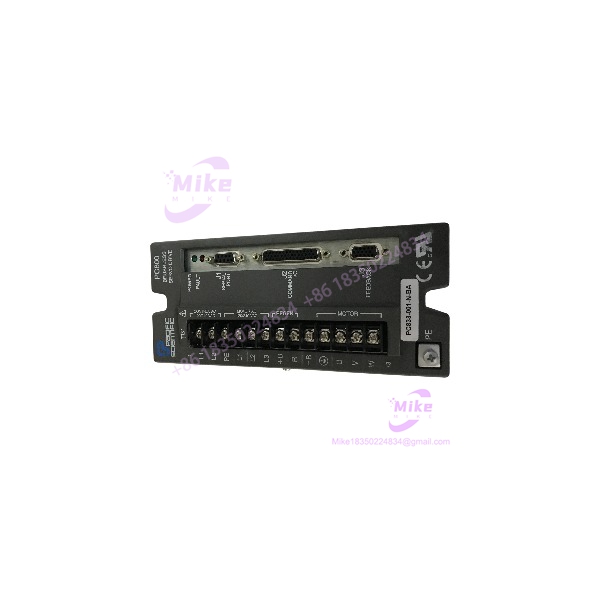
Pacific Scientific PC833-001-N-BA | Digital Brushless Drive New In Stock
Architect’s Product Breakdown
The Kollmorgen Pacific Scientific PC833-001-N-BA operates as a high-performance digital drive within closed-loop motion control architectures, translating controller commands into exact torque output at the motor shaft. In demanding automation machinery where fast settling times and precise trajectory tracking dictate throughput, maintaining stable current loops and low-noise resolver feedback is critical. This compact drive utilizes advanced digital signal processing to execute anti-resonance filters, eliminating mechanical chatter in compliant loads.
Integrating this hardware model into legacy or modernized control panels requires careful verification of incoming AC mains voltage and proper grounding practices. When replacing a failed unit during unplanned maintenance, engineers must ensure that parameter files from the old servo drive are correctly uploaded to the replacement model via the configuration software. Neglecting to verify feedback calibration or motor phase matching can lead to immediate thermal foldback or runaway error states upon initial drive enablement.
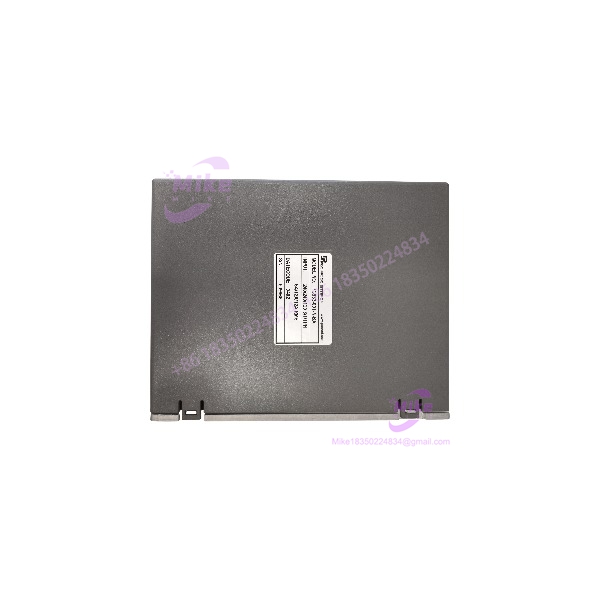
PC833-001-N-BA
Key Technical Specifications
- Manufacturer: Kollmorgen / Pacific Scientific
- Product Category: All-Digital Brushless Servo Drive
- Continuous Output Current: 3.6 A RMS (at 25°C to 40°C ambient)
- Peak Output Current: 10.6 A RMS
- Command Interface: RS-232/485, \pm 10V DC, Step/Direction, and Indexing
- Feedback Compatibility: Resolver or encoder feedback options
- Control Loop Bandwidth: Up to 400 Hz velocity loop
- Operating Temperature Range: 0°C to +50°C
- Enclosure Type: Chassis / Panel Mount IP20
- Weight: Approximately 2.3 kg (5 lbs)
Field Engineer’s Pitfall Guide (Unique Value)
- Overlooking Shield Grounding on Resolver Cables: Failing to 360-degree bond the resolver feedback cable shield to the designated ground clamp on the drive chassis will inject high-frequency electrical noise, triggering random velocity faults.
- Mismatched Motor Parameter Files: I’ve seen commissioning teams destroy a drive’s tuning stability because they downloaded parameter sets from a different motor frame size without re-identifying inductance and resistance limits.
- Inadequate Heat Dissipation Clearance: Mounting the PC833-001-N-BA directly against high-heat power supplies without leaving recommended vertical airflow spacing will cause premature internal capacitor aging and thermal trips.
QA & Testing SOP (Transparency)
- Visual & Origin Verification: Units undergo microscopic examination for OEM traceability labels, undamaged connector pins, and clean printed circuit board traces.
- Live Test Bench Environment: Servo drives are mounted on dynamic load test fixtures coupled to matched brushless motors to evaluate performance under active load profiles.
- Thermal & Current Stress Testing: Technicians run continuous burn-in cycles at rated continuous current thresholds to verify thermal stability and loop accuracy.
- Anti-Static Packaging: Post-testing units are sealed inside conductive shielding bags and cushioned with high-density foam inserts to prevent electrostatic discharge during transit.
Technical FAQ
Can I hot-swap the PC833-001-N-BA servo drive while the control cabinet is powered?
No. Live replacement of drive hardware risks damaging sensitive power switching transistors and logic gates. Always disconnect main AC power and verify DC bus capacitors are fully discharged before servicing.
Does this servo drive retain its tuning parameters after a power loss?
Yes. Configuration parameters and tuning profiles are stored in non-volatile flash memory on the module, preventing data loss during power interruptions.
What causes an overvoltage fault on the drive display during deceleration?
An overvoltage fault typically occurs when regenerated energy from rapid motor deceleration pumps too much current back into the DC bus faster than the internal shunt resistor can dissipate it. Check braking resistor wiring or deceleration ramp settings.
What is the standard warranty status for surplus inventory units?
Verified surplus or new-in-box units typically carry a 12-month operational warranty covering material and manufacturing defects under normal industrial environments.





