Description
NI PCI-7813R | 160 Digital I/O Line R Series Module New In Stock
Architect’s Product Breakdown
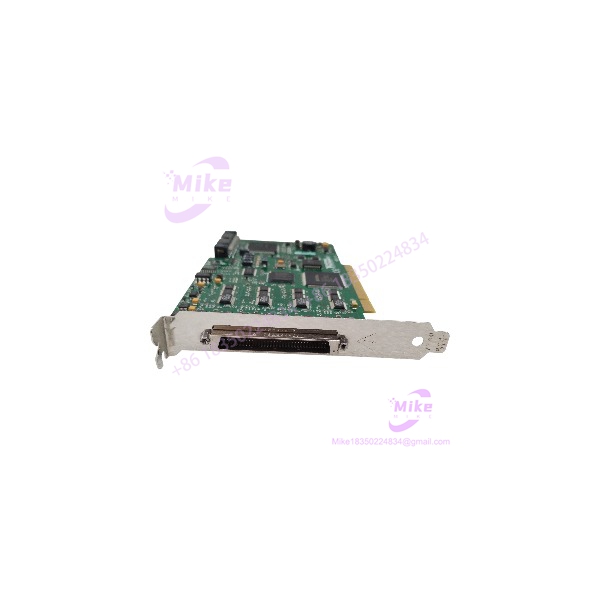
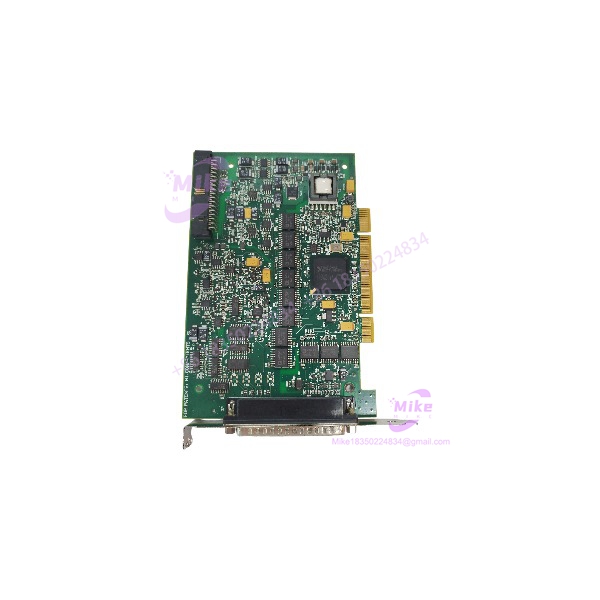
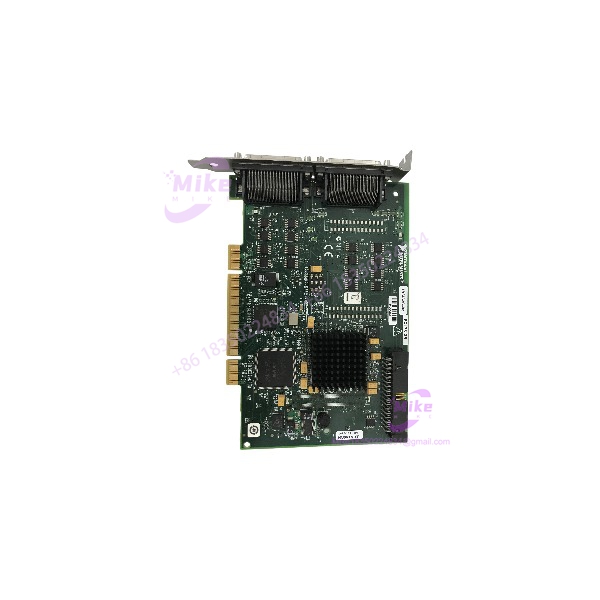
The National Instruments PCI-7813R functions as an ultra-flexible reconfigurable I/O (RIO) board within standard PCI computer architectures, designed for high-speed digital pattern generation, custom protocol emulation, hardware-in-the-loop (HIL) simulation, and real-time control. Built around an onboard Xilinx Virtex-II (1M gate) FPGA, this hardware model executes custom logic directly in silicon at hardware speeds up to 40 MHz. By offloading time-critical digital logic and timing loops from the host operating system directly to the FPGA, it delivers true microsecond-level determinism and eliminates software execution latency.
Deploying or replacing this model in an industrial computer setup requires configuring the board using the LabVIEW FPGA Module alongside the NI-RIO driver software suite. Featuring 160 bidirectional 5V TTL/CMOS digital I/O lines distributed across four 68-pin VHDCI connectors, the module allows engineers to define custom pinouts, PWM generators, quadrature encoder interfaces, and specialized communication protocols. When carrying out field swaps, technicians must recompile or download the targeted FPGA bitfile (.lvbitx) to the replacement card to ensure that hardware pin functions match existing control cabinet field wiring.
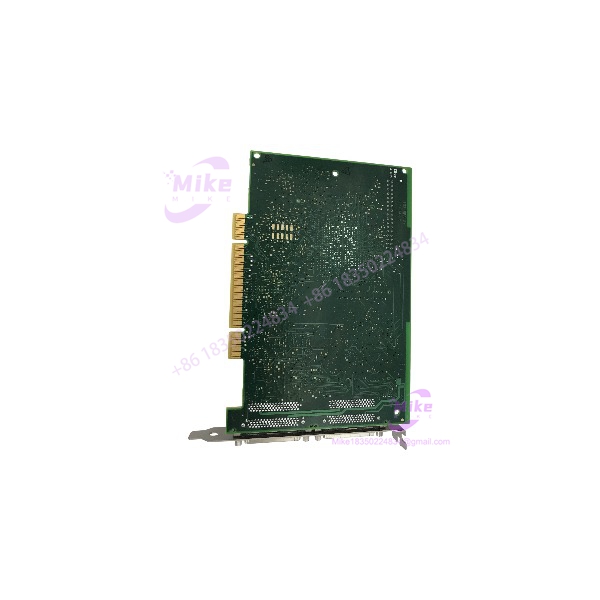
PCI-7813R
Key Technical Specifications
- Manufacturer: National Instruments (NI)
- Product Category: Reconfigurable I/O (RIO) FPGA Digital Board
- Part Number / Catalog No.: PCI-7813R (779362-01 / 191834x-01)
- Onboard FPGA Processing: Xilinx Virtex-II 1M Gate FPGA (XC2V1000)
- Digital I/O Channels: 160 Bidirectional Digital I/O Lines (5V TTL/CMOS compatible)
- Digital I/O Clock Rate: Up to 40 MHz (25 ns minimum cycle time)
- Output Current Drive: Sinks up to 16 mA, sources up to 4 mA per line (40 mA max per connector port)
- Onboard Memory: 1 MB SRAM for high-speed local data buffering
- Bus Architecture: Standard 32-bit PCI slot interface (5V/3.3V universal keying)
- I/O Connectors: 4× 68-pin female VHDCI connectors (Connector 0, 1, 2, and 3)
- Operating Temperature Range: 0°C to +55°C
- Weight: Approximately 140 g (0.31 lb)
Field Engineer’s Pitfall Guide (Unique Value)
- Hot-Swapping Under Power: Never insert or remove the PCI-7813R module while the host computer is powered on. Live hot-plugging in standard PCI expansion slots risks shorting backplane power lines, causing permanent hardware destruction to both the host motherboard and onboard FPGA power regulation circuits.
- Uncompiled or Missing FPGA Bitfile: Unlike standard DAQ cards that function immediately via fixed driver commands, the FPGA board remains unconfigured until an application loads an FPGA bitfile (
.lvbitx). Attempting to read or write digital lines via standard host software without downloading a compiled bitfile will result in non-responsive I/O pins. - Exceeding Connector Power Dissipation Limits: While individual digital lines can sink up to 16 mA, drawing maximum current across all 40 lines of a single VHDCI connector will exceed total package dissipation limits and brown out onboard 5V bus supply lines. Always manage aggregate line currents across all 4 connector ports.
QA & Testing SOP (Transparency)
- Visual & Origin Verification: Units undergo microscopic examination to confirm clean gold-finger edge connectors, undamaged FPGA BGA solder joints, intact PCB traces, and authentic OEM labeling.
- Live Test Bench Environment: RIO boards are seated in a dedicated industrial PCI test chassis running validated NI-RIO driver suites and LabVIEW FPGA deployment tools to verify register response and FPGA initialization.
- FPGA Bitfile Download & Digital Loopback Diagnostics: Technicians flash test bitfiles onto the onboard Virtex-II FPGA, driving multi-channel 40 MHz clock patterns and digital logic state sweeps across all 160 digital I/O lines across Connectors 0 through 3 to confirm full pin functionality.
- Anti-Static Packaging: Post-testing units are sealed inside conductive ESD shielding bags and cushioned with high-density protective foam to prevent electrostatic discharge during transport.
Technical FAQ
Can I hot-swap the PCI-7813R card while the host computer is energized?
No. Standard PCI expansion slots do not support live hot-swapping. Always power down the host computer completely before installing or servicing this board.
What software is required to program and run this FPGA model?
Programming this model requires the LabVIEW development environment, the LabVIEW FPGA Module, and the NI-RIO driver suite to compile and deploy bitfiles directly to the Xilinx Virtex-II FPGA.
What cable and terminal block accessories work with the 4 VHDCI connectors on this card?
The PCI-7813R uses 68-pin VHDCI connectors and pairs directly with NI cables such as the SHC68-68-EPM, connecting to breakout blocks like the SCB-68A, CB-68LP, or custom circuit interfaces. Up to 4 cables and terminal blocks are required to access all 160 digital lines simultaneously.
What is the standard warranty status for surplus inventory units?
Verified surplus or factory-sealed RIO FPGA modules typically carry a 12-month operational warranty covering material and manufacturing defects under standard laboratory or industrial conditions.