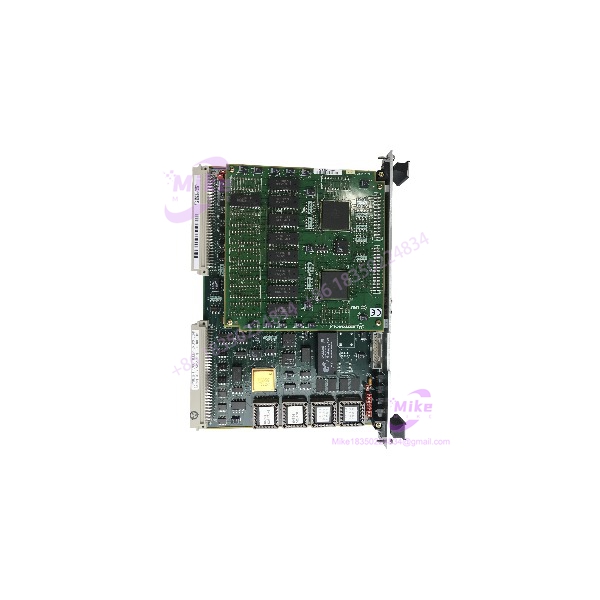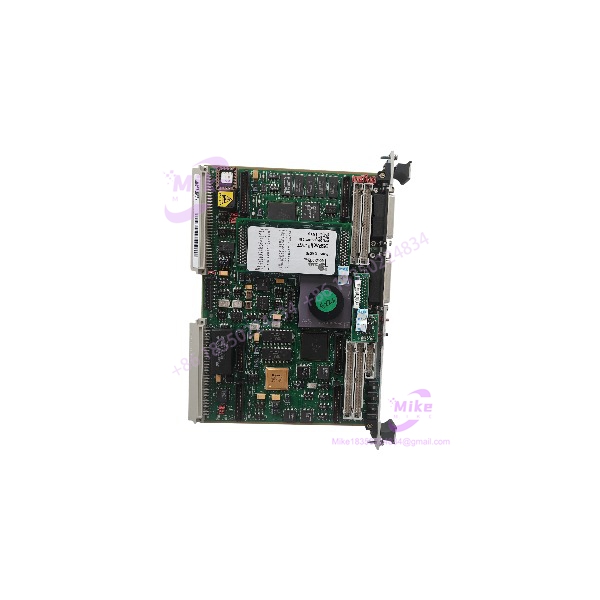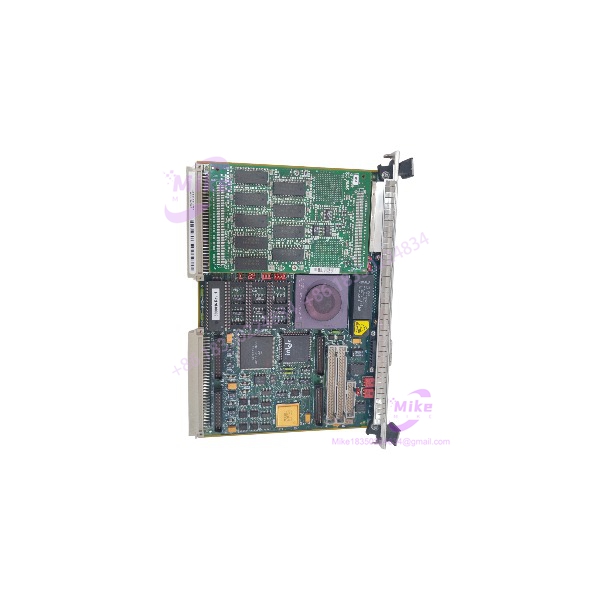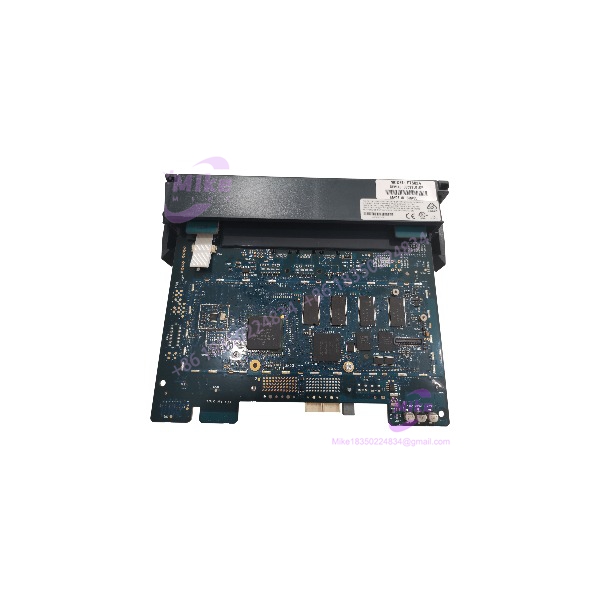
Description
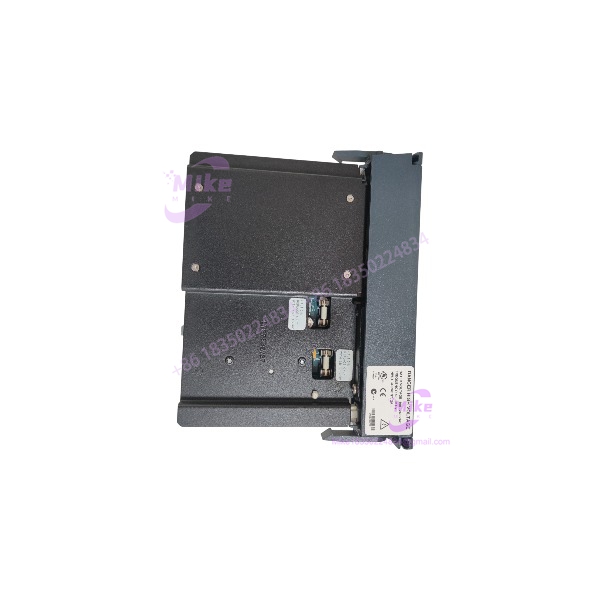
Motorola FPN1903A | ACE3600 SCADA Power Supply
Dynamic Product Introduction
When an old SCADA RTU suddenly goes dark, the power supply is one of the first components worth isolating. With the Motorola FPN1903A, that diagnosis is especially relevant because this is not a general-purpose DIN-rail supply—it was used as a dedicated power component within the Motorola ACE3600 ecosystem.
The FPN1903A is identified as an ACE3600 SCADA system power-supply module. Industrial equipment records also specifically describe FPN1903A as the power supply for an ACE3600 UTR/RTU, confirming its relationship to the platform.
Its documented electrical rating is 2 A with 100–240 VAC input at 50/60 Hz. The unit is now discontinued, with FPN1903B identified as the replacement part.
That lifecycle status changes the procurement strategy. If an installed ACE3600 system still has production or remote-monitoring responsibilities, an exact FPN1903A is valuable as a maintenance spare. At the same time, a planned migration should evaluate FPN1903B and the complete power architecture rather than assuming that every legacy unit can simply be replaced by an arbitrary modern power supply.
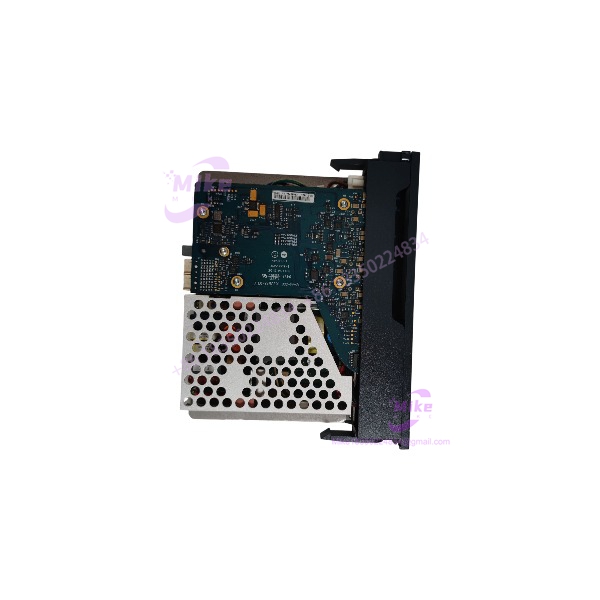
FPN1903A
Key Technical Specifications
- Manufacturer: Motorola
- Model: FPN1903A
- Product Type: Power supply / power module
- System: ACE3600 SCADA / RTU
- Input Voltage: 100–240 VAC
- Input Frequency: 50/60 Hz
- Rated Current: 2 A
- Application: Remote terminal unit / SCADA control equipment
- Lifecycle Status: Discontinued
- Replacement: FPN1903B
- Physical Weight Reference: Approximately 1.78 lb according to an industrial parts listing
- Procurement Category: Legacy industrial automation spare
The 2 A, 100–240 VAC and 50/60 Hz values are consistently reported for .
Do not infer the DC output voltage, connector pinout, internal protection characteristics, or maximum continuous output behavior from the 2 A rating alone. Those parameters should be verified against the actual unit documentation or nameplate before performing a retrofit.
Global Sourcing & Live-Test SOP
Inbound Verification
For a used or surplus , identification comes first.
Record:
- Complete model marking
- Serial number
- Date code, if available
- Input connector and terminal arrangement
- Output connector arrangement
- Fuse and protection components
- PCB revision
- Signs of overheating
- Capacitor condition
- Corrosion or contamination
- Evidence of previous repair
Confirm that the physical assembly corresponds to the power-supply configuration rather than assuming that any Motorola power module with a similar enclosure is interchangeable.
Live Simulation
Do not connect a questionable directly to a production RTU.
Use a controlled AC source and appropriate current protection. Confirm that the input stage accepts the expected 100–240 VAC supply before proceeding.
The preferred test is an actual compatible test configuration or an engineered equivalent load. This allows the power supply to be evaluated under conditions closer to its intended operating environment.
Diagnostics
A practical bench procedure should include:
- Visual inspection.
- Input insulation and safety checks.
- Controlled AC startup.
- Input-current measurement.
- DC output verification.
- No-load stability check.
- Progressive load application.
- Ripple/noise measurement.
- Transient response.
- Thermal observation.
Use a quality multimeter for voltage/current measurements and an oscilloscope when investigating switching ripple or intermittent controller resets.
A supply that produces the correct voltage for five minutes is not necessarily healthy. Aging capacitors and thermal faults often appear only after sustained operation.
24-Hour Heat Run
For a refurbished , run the unit under a representative load for an extended period.
Monitor:
- Output stability
- Input current
- Temperature rise
- Ripple
- Audible switching noise
- Startup behavior after thermal soak
- Recovery following controlled load changes
If the power rail becomes unstable as temperature rises, reject the unit rather than returning it to service simply because the cold test passed.
Final Preparation
Before shipment or installation:
- Photograph the model and serial markings.
- Record the tested input range.
- Record measured output values.
- Record load conditions.
- Document thermal-test results.
- Protect connectors from impact and contamination.
- Package the assembly using suitable ESD protection.
For a discontinued SCADA component, test documentation adds real procurement value.
Field Engineer’s Pitfall Guide
❗ Do not mistake for a generic 2 A power supply
The 2 A rating is not enough to define a suitable replacement.
The belongs to the power architecture. A modern 2 A supply may have the wrong output voltage, connector, startup behavior, grounding arrangement, or protection characteristics.
The cabinet may power up and still produce intermittent RTU faults. That is exactly the kind of “successful” replacement that wastes a commissioning day.
❗ Do not ignore the → FPN1903B lifecycle change
is documented as discontinued, and FPN1903B is identified as its replacement.
That does not automatically mean FPN1903B is a drop-in replacement for every field installation without verification. Before a migration, compare the complete electrical and mechanical specifications and confirm compatibility with the specific configuration.
❗ Diagnose the load before condemning the power supply
If a replacement immediately drops voltage or enters protection, do not automatically assume that the replacement is defective.
A shorted downstream circuit, damaged controller interface, wiring fault, or abnormal auxiliary load can cause the same symptom.
Disconnect and isolate downstream loads systematically. Otherwise, you can destroy a second good power supply while chasing the original fault.
Intent-Driven FAQ
What is the Motorola ?
The is an industrial power-supply module used with the SCADA/RTU platform. It is identified as a power supply rather than a CPU, communications module, or I/O card.