


Description
Molex SST 5136-RE-VME | Remote I/O VMEbus Interface Card
Product Introduction
When a VME-based industrial computer, process controller, or heavy testing rig needs to exchange real-time data across remote network lines, routing traffic directly through the host CPU introduces latency and bus congestion. The Molex SST 5136-RE-VME is not a standard office communication card; it is a dedicated industrial co-processor module engineered specifically for standard VMEbus architectures. It acts as an intelligent hardware bridge that handles remote protocol polling independently.
Engineered with an onboard 32-bit microprocessor and high-speed dual-port RAM, this card manages time-critical remote I/O data exchanges locally without taxing the VME backplane processor. It handles severe industrial environments—withstanding standard ambient panel operating thresholds—while delivering robust optical isolation on communication ports. If you are maintaining legacy VME-based process control infrastructure or upgrading a remote telemetry rack, this module slides straight into your existing VME chassis slots.
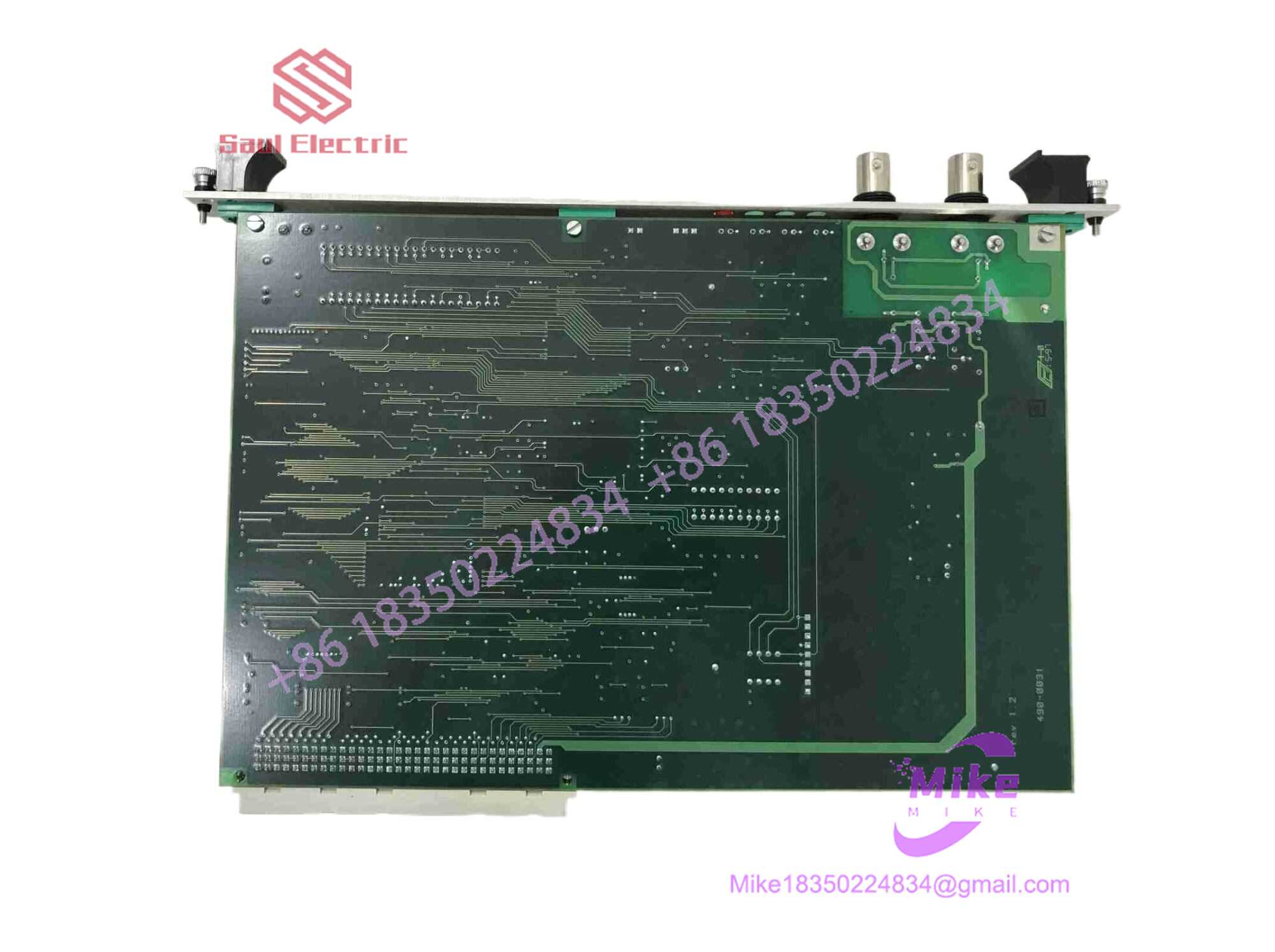
5136-RE-VME
Key Technical Specifications
| Parameter | Specification Metric |
| Device Category | Remote I/O VMEbus Network Interface Card (NIC) |
| Bus Architecture | Standard VMEbus interface (A16/A24/D8/D16 support) |
| Onboard Processing | Dedicated 32-bit microprocessor with high-speed dual-port RAM |
| Network Physical Layer | Optically isolated transceiver ports for remote industrial communication |
| Diagnostic Features | Front-panel LED status indicators for power, card health, and network link |
| Isolation Voltage | 500 V RMS optical and galvanic port isolation |
| Operating Temperature | 0^\circC to +50^\circC standard industrial tier |
| Power Requirements | Powered via VME backplane DC power rails |
Application Scenarios & Pain Points
- VME-Based Industrial SCADA and DCS Systems: Plant control computers running on VME chassis architectures require reliable, deterministic data exchange with remote telemetry drops. The 5136-RE-VME offloads polling loops, preventing backplane lag.
- Petrochemical Plant Distributed Control Racks: Large-scale hydrocarbon processing skids utilize VME mainframes to coordinate far-flung field instruments. This interface card ensures robust data throughput and fast recovery during high-vibration duty cycles.
- Aerospace and Defense Test Stands: Custom laboratory testing rigs running specialized VME-based control software need stable communication with remote machinery. The board’s onboard processor guarantees real-time execution independent of host traffic.
QA & Live Testing SOP (Trust Signal)
We don’t warehouse legacy VME communication cards without verifying their bus performance and protocol execution health; every 5136-RE-VME unit goes through our rigorous bench protocol:
- Visual & Edge Connector Audit: Inspected under optical magnification for gold-finger trace cleanliness, surface-mount component stability, and complete absence of corrosion or solder wear on the VME pins.
- Dynamic VME Rack Testing: Slotted into an active VME test chassis to verify clean backplane power handshakes, address jumper/switch validation, and dual-port RAM read/write stability.
- Network Loopback Verification: Connected to a calibrated simulation test rig to confirm link stability, packet throughput accuracy, and zero frame errors under active polling.
- Protective Packaging: Sealed inside heavy-duty anti-static shielding bags and suspended securely within high-density structural foam to prevent transit vibration damage.
Field Engineer’s Pitfall Guide
- ❗ VME Base Address Conflicts: Verify your hardware address switch and jumper settings carefully before sliding the card into a populated VME rack; overlapping base memory addresses will lock up the system bus.
- ❗ Network Termination Compliance: Ensure remote communication lines feature proper active terminating resistors where applicable; un-terminated drops will introduce signal reflections and drop packets.
- ❗ Backplane Power Rail Stability: Fluctuating DC voltages on older VME chassis racks can cause intermittent processor lockups on the interface card, dropping remote communication tokens.
Intent-Driven FAQ
Is the Molex 5136-RE-VME compatible with standard VMEbus backplanes?
Yes. It is designed to plug directly into standard VMEbus chassis slots, provided your system backplane supports the required address mapping and DC power rails.
Does this card require manual address setting for VME backplane integration?
Yes. VME modules typically require proper configuration of onboard switches or jumpers to establish correct base memory address mapping within the system memory map.
What causes a red “Fault” or error status LED upon system boot?
An error status indicator typically points to a VME address conflict, an unassigned configuration file, or an initialization failure on the card’s internal processor.
Can multiple 5136-RE cards run in the same VME chassis?
Yes. You can install multiple interface cards in a single VME system rack to manage separate remote networks, provided your slot allocation and base address jumpers are configured independently.
What kind of warranty covers this surplus communication card?
Every unit is backed by our comprehensive replacement guarantee, supported by multi-point pre-shipment bench testing to ensure absolute VME backplane and network communication readiness.





