

Description
Metso PDP403 | maxDNA Secondary DPU Controller Specs
Architect’s Product Breakdown
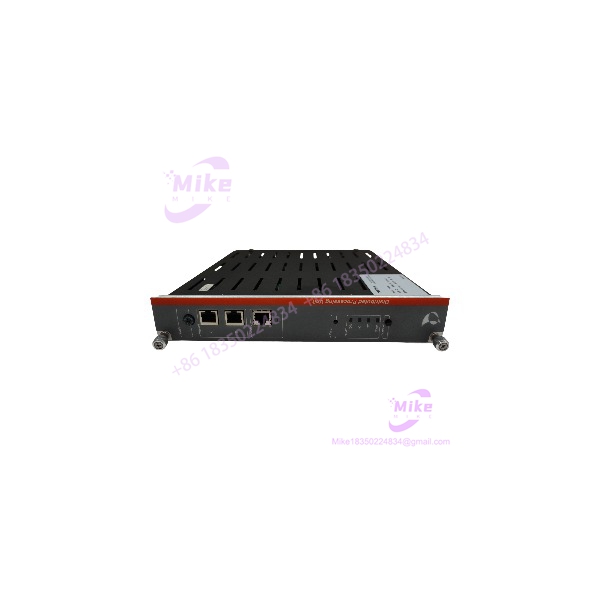
The Metso (Valmet) PDP403 functions as the secondary or backup processing unit within a redundant maxDNA Distributed Control System (DCS) architecture. Deployed in high-availability power generation, refining, and continuous-process applications, this hardware model maintains an identical real-time database and active status mirror of the primary DPU. By utilizing a dedicated high-speed backup cable link, it continuously tracks execution states to ensure zero-bump, bumpless transfer upon primary controller failure or manual takeover command.
When deploying or integrating this model into an existing IOP rack pair, automation engineers must mount it vertically beneath or alongside the primary controller, ensuring proper physical connection of the inter-DPU synchronization cable. Because this hardware model relies on exact firmware and database matching across redundant pairs, version control during configuration downloads via the maxDNA engineering toolset is critical to prevent split-brain arbitration errors or failed synchronization handshakes.
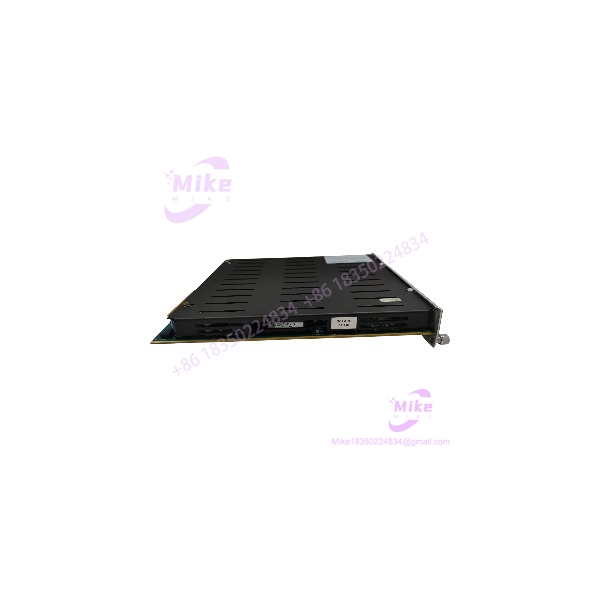
PDP403
Key Technical Specifications
- Manufacturer: Metso Automation / Valmet
- Product Category: Secondary / Redundant Distributed Processing Unit (DPU4F)
- Part Number / Catalog No.: PDP403 (DPU4F Secondary with backup cable)
- System Family: maxDNA Distributed Control System (DCS)
- Primary Processor Architecture: AMD Geode (300 MHz) with Motorola 68332 IOM processor
- System Bus Power Consumption: 20 to 30 VDC (Approximately 18 W)
- Redundancy Interface: Dedicated inter-DPU backup cable connection port
- Network Connectivity: Dual 10/100 Mbps Ethernet ports for maxNET communication bus
- Operating Temperature Range: 0°C to +60°C
- Form Factor / Weight: Standard maxDNA rack-mount module / Approx. 0.32 kg (0.71 lb)
Field Engineer’s Pitfall Guide (Unique Value)
- Mismatched Firmware Revisions in Redundant Pairs: Pairing a primary DPU with a secondary PDP403 module running different firmware revisions or out-of-sync point databases will block status handshakes and cause redundant switchover failures. Always verify revision parity prior to commissioning.
- Improper Backup Cable Seating: Failing to securely latch the inter-DPU backup cable between primary and secondary slots breaks the high-speed state-mirroring link, leaving the secondary unit blind to live control loop execution data.
- Hot-Swapping Without Active Standby Verification: Unseating or replacing a redundant processing card without verifying that the peer controller holds active primary status will trigger a system-wide control interruption.
QA & Testing SOP (Transparency)
- Visual & Origin Verification: Units undergo microscopic examination to confirm clean backplane connector pins, unblemished backup communication ports, intact PCB traces, and authentic OEM labeling.
- Live Test Bench Environment: Processing modules are seated in a dedicated dual-slot maxDNA test rack supplied with 24 VDC power and connected via backup cables to verify peer handshaking and state-mirroring execution.
- Failover & Takeover Diagnostics: Technicians trigger simulated primary unit faults and manual takeover commands on the test bench to evaluate bumpless transfer speed, dual Ethernet port stability, and diagnostic register status.
- Anti-Static Packaging: Post-testing units are fitted with protective connector covers, sealed in conductive ESD shielding bags, and cushioned in high-density anti-static foam.
Technical FAQ
What is the specific role of the PDP403 in a maxDNA control system?
This model functions as the secondary or backup DPU in a redundant control pair, continuously mirroring primary execution data to provide bumpless failover protection.
Can the PDP403 operate as a standalone primary controller?
While hardware architecture is identical to primary variants, the PDP403 catalog designation specifically bundles the required inter-DPU backup cable for redundant dual-unit deployments.
How does the secondary unit communicate with the primary controller?
State updates and database mirrors are passed directly between the primary and secondary units via a high-speed dedicated backup cable connection independent of the main maxNET network.
What is the standard warranty status for surplus inventory units?
Verified surplus or factory-sealed DCS processing units typically carry a 12-month operational
warranty covering material and manufacturing defects under standard operating conditions.





